

Prevention begins before pollution exists
World Pollution Prevention Day may have passed, but its message is still urgent.
Every year, millions of tonnes of plastic escape into our oceans, rivers, and coastlines. Behind every statistic is a real place: a fishing village, a mangrove-lined shore, a child who plays near the water.
And while the day encouraged the world to think about prevention, one truth stands out long after the awareness posts fade:
We don’t prevent pollution by talking about it once a year. We prevent it by recovering plastic with enough quality that it never leaks again.
This is what high-quality plastic recovery looks like, through the work of communities in Indonesia and Ghana, who show us what real prevention demands every single day.
What “high-quality recovery” really means
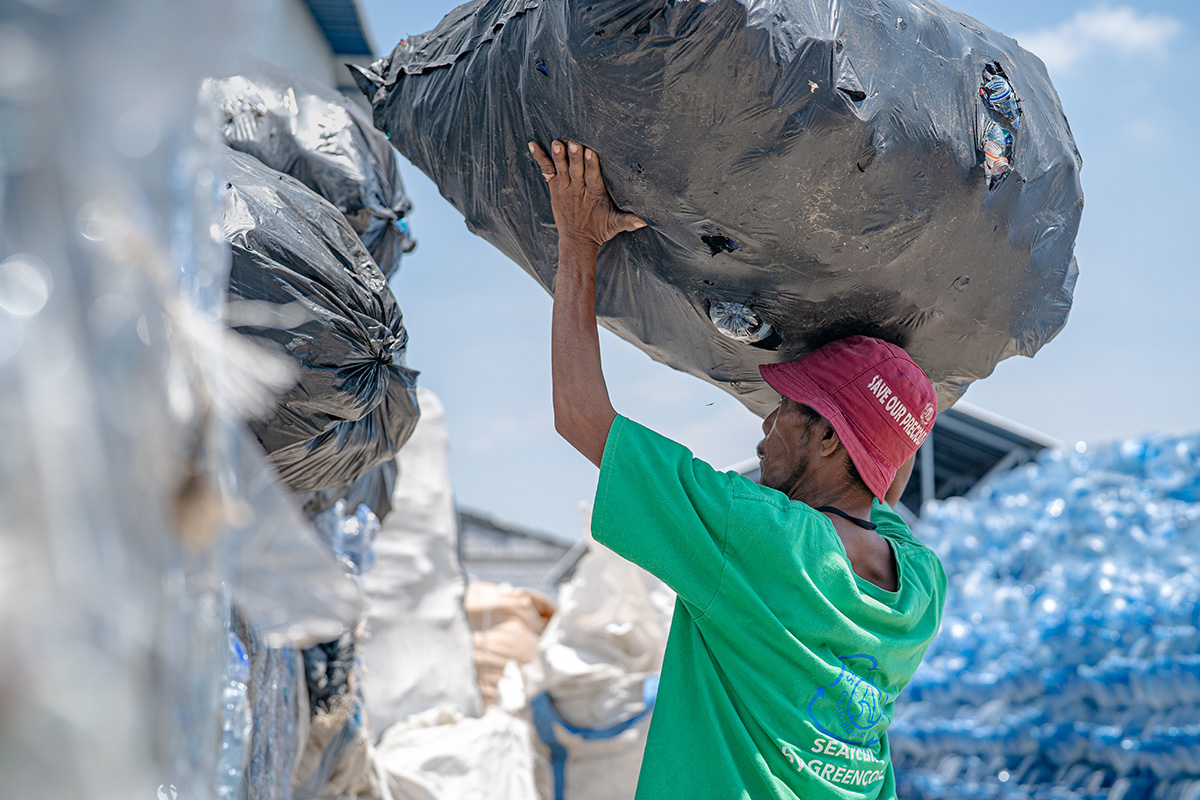
When people think of recovery, they often imagine a bag of plastic being collected. But quality recovery tells a different story, one where every step is intentional, and every piece of plastic is accounted for. High-quality recovery means:- Sorting at the source so nothing becomes waste again
- Safe storage that protects workers and prevents re-leakage
- Processing that stabilises plastic for long-term reuse
- A verified pathway that ensures the plastic never returns to the environment
Without these elements, plastic often slips back into rivers or open dumps. With them, it becomes part of a circular, dignified system.

Indonesia: Where community strength stops plastic at the shoreline
In coastal Indonesia, mornings begin early. The tide pulls in fragments of yesterday’s plastic, and with it, the possibility of something different.
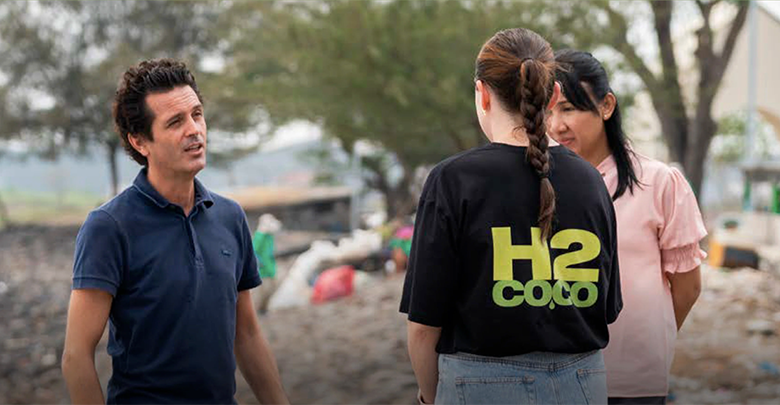
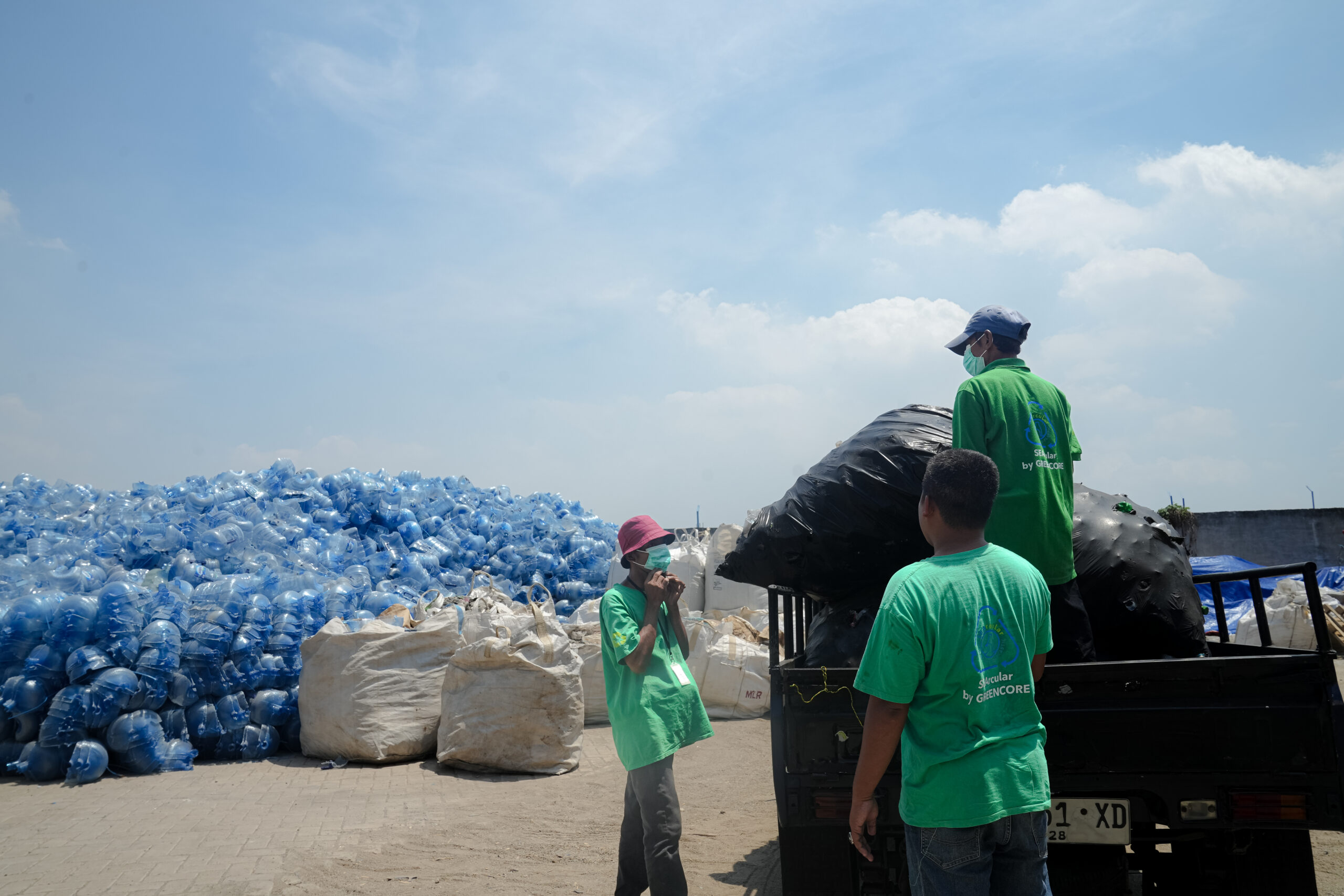
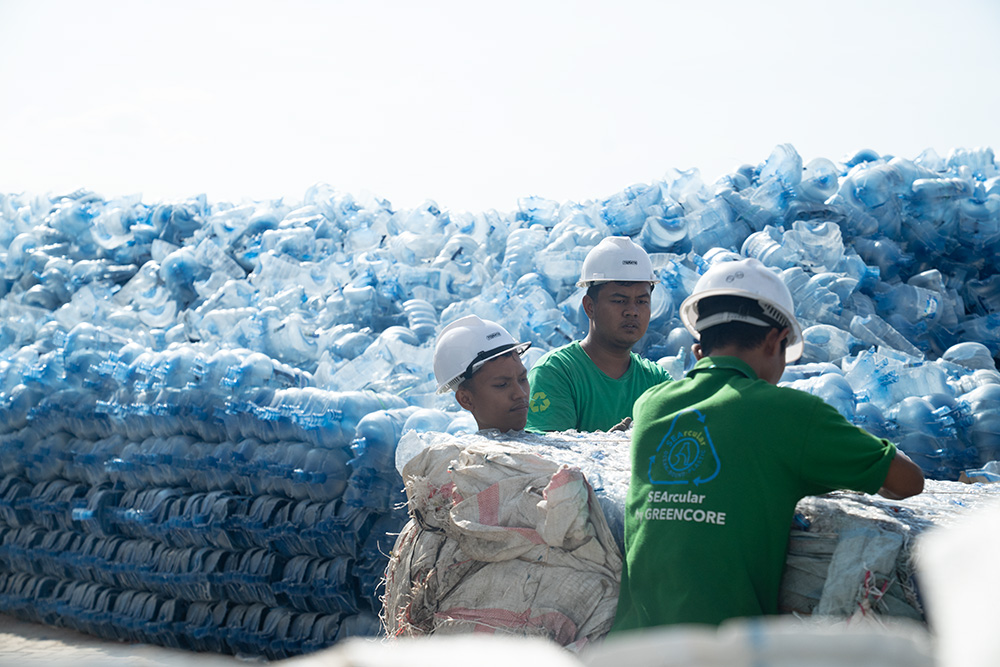
In one community, a group of collectors stand shoulder to shoulder sorting plastic with a precision that looks almost like choreography. They know that every correctly sorted bottle is a bottle that will never float back into their bay.
Their system is built for quality:
- Plastic is segregated immediately
- Material is baled and stored safely, not piled in open air
- Workers are trained to recognise what can be recycled and what must be downcycled or stabilised
A single mis-sorted bag can re-enter the ocean. A high-quality system ensures it never will. This is more than waste management. It’s protection of livelihoods, fisheries, reefs, and futures.
Ghana: Building resilience, one recovery hub at a time
In Ghana, the challenge is different but just as urgent. During the rainy season, floodwaters sweep through towns and carry unmanaged plastic straight into lagoons. Recovery here is not only about waste but about resilience.
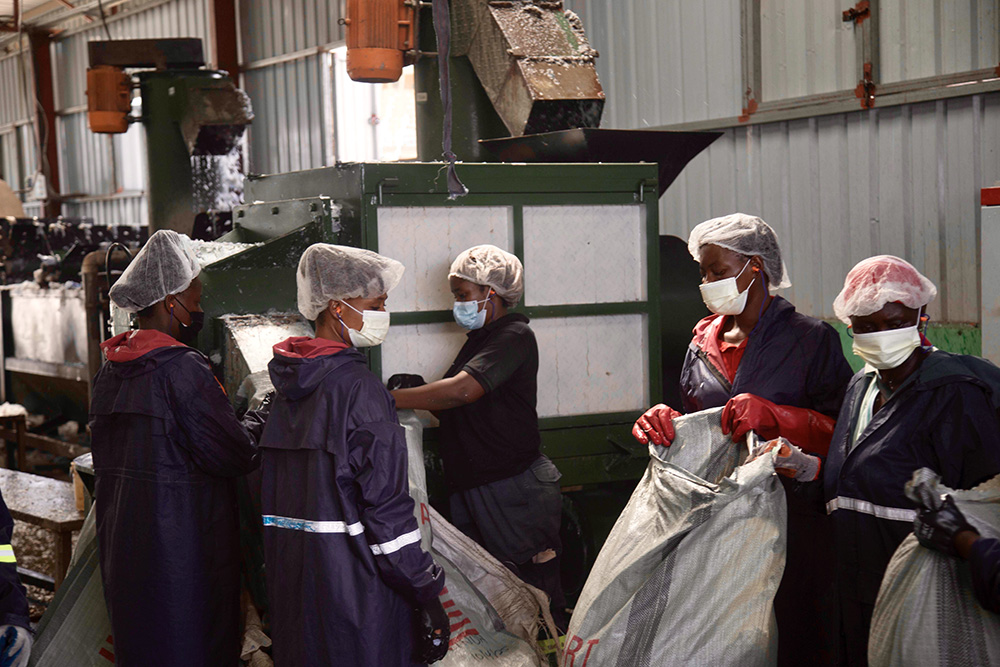
Local recovery teams have built structured hubs where plastic is:
- Weighed and tracked
- Safely stored to withstand storms
- Processed through verified end-of-life channels
These hubs prevent leakage, anchor communities and create reliable income. They turn what was once unmanaged waste into a stable, traceable resource. And when the rains come now, far less plastic is swept away.
Why high-quality recovery reduces leakage and why it matters beyond one day
The relevance of Pollution Prevention Day didn’t end on December 2 because the work of prevention never ends.
1. Quality recovery stops re-leakage before it starts
Poor-quality programs collect plastic but don’t secure it. High-quality systems close the loop.
2. It creates circular value instead of stockpiles
Recovered material is transformed, not abandoned.
3. It protects communities living on the frontline of pollution
Those closest to oceans and rivers feel the impact first. Quality recovery gives them the tools to defend their environment.
4. It complements, not replaces, EPR and regulatory pathways
Brands are using recovery to go beyond obligations, addressing leakage in regions where unmanaged waste is the norm.

The human side of prevention
It’s easy to talk about tonnes and leakage rates. It’s harder, and more important, to talk about the people.
Recovery workers who lift 20kg bales in 35°C heat. Mothers who sort plastic so their children can play near cleaner water. Fishermen who see clearer shorelines after years of decline. Community leaders who track every kilogram because they know transparency brings trust.
This is the heart of World Pollution Prevention Week:
Prevention is not a policy. It is a human commitment.
A commitment to quality, dignity, and stopping plastic before it ever becomes pollution.
A better future is already being built
High-quality recovery is steady, skillful, disciplined work. It’s the kind of work that keeps oceans alive.
Indonesia and Ghana show what happens when recovery is done with care: less leakage, stronger communities, and a future where waste has no pathway back to nature.
During World Pollution Prevention Week, the message is clear:
We prevent pollution not by cleaning up more but by recovering better.
👉 Talk to us about verified plastic recovery that goes beyond compliance and creates lasting change
FAQs
1. What makes plastic recovery “high quality”?
Traceability, proper sorting, safe storage, and verified processing that prevents re-leakage.
2. Why is recovery important during Pollution Prevention Week?
It addresses the root of plastic leakage by stabilising and securing material in communities most affected by unmanaged waste.
3. How does recovery support communities?
It creates livelihoods, improves environmental resilience, and reduces health and pollution risks.
4. Does recovery replace recycling or EPR?
No, it complements EPR. Recovery tackles leakage outside formal waste systems, where regulation alone cannot reach.