The plastic footprint your customers never see
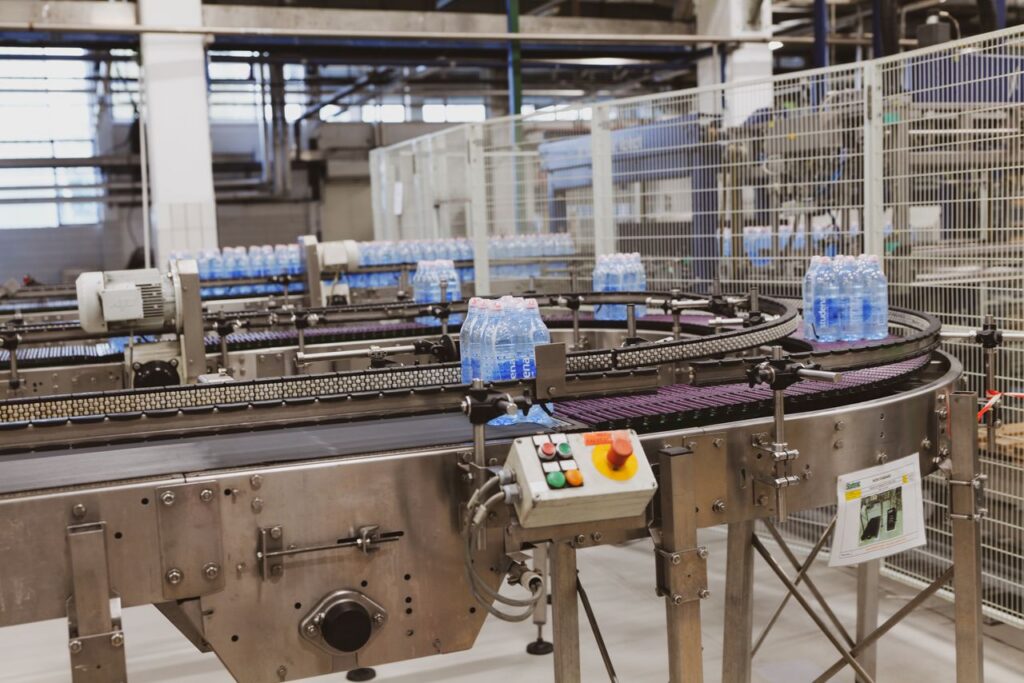
A customer picks up a product from the shelf and sees the bottle, pouch, tube, or container in front of them. They may notice that it contains recycled plastic, uses less material, or has moved away from plastic altogether. What they do not see is everything that brought it there. The shrink film holds several […]
Australia’s packaging rules are changing. Is producer responsibility finally catching up?
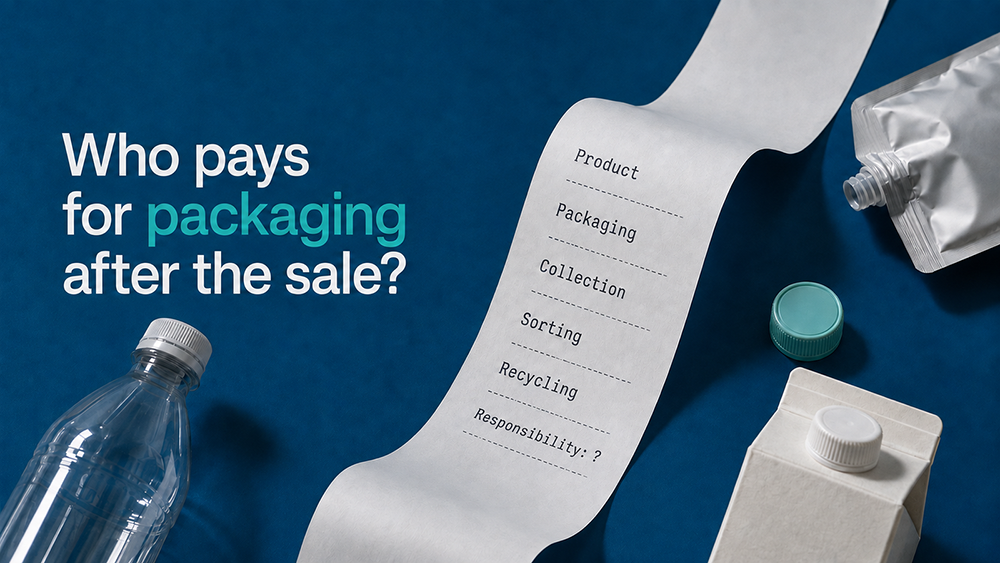
Every day, businesses decide what packaging enters the market. They choose the materials. They approve the design. They sell the product. But once that packaging has been opened, used, and thrown away, who is responsible for what happens next? For more than two decades, Australia has answered that question through a co-regulatory system that shares […]
Sustainability marketing examples that actually work
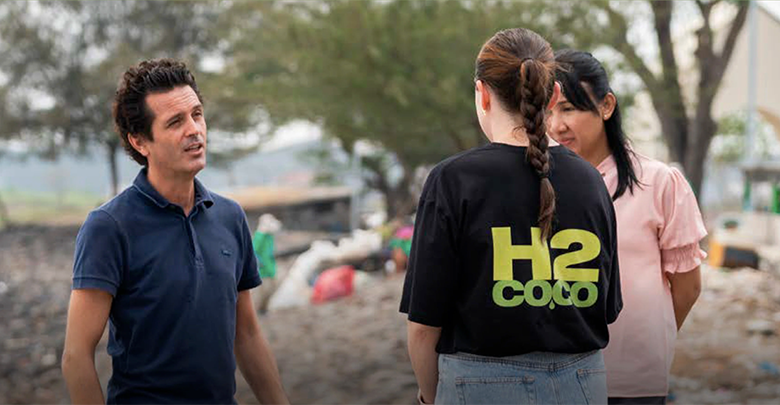
Sustainability marketing often fails for one simple reason: the message becomes bigger than the action behind it. The strongest brands take a different approach. They start with something real, decide what customers actually need to understand, and communicate it in a way that fits the brand. H2coco, August and Cozycove show three different ways this […]
Why the strongest plastic strategies go beyond recovery

For years, conversations about plastic have centered on a single question: How do we recover more plastic waste? It’s an important question, and one that continues to matter. Plastic recovery helps divert waste from the environment, strengthens collection and recycling systems, and gives businesses a practical way to take responsibility for the plastic they continue […]
The Plastic Strategy Framework: Five stages every business moves through
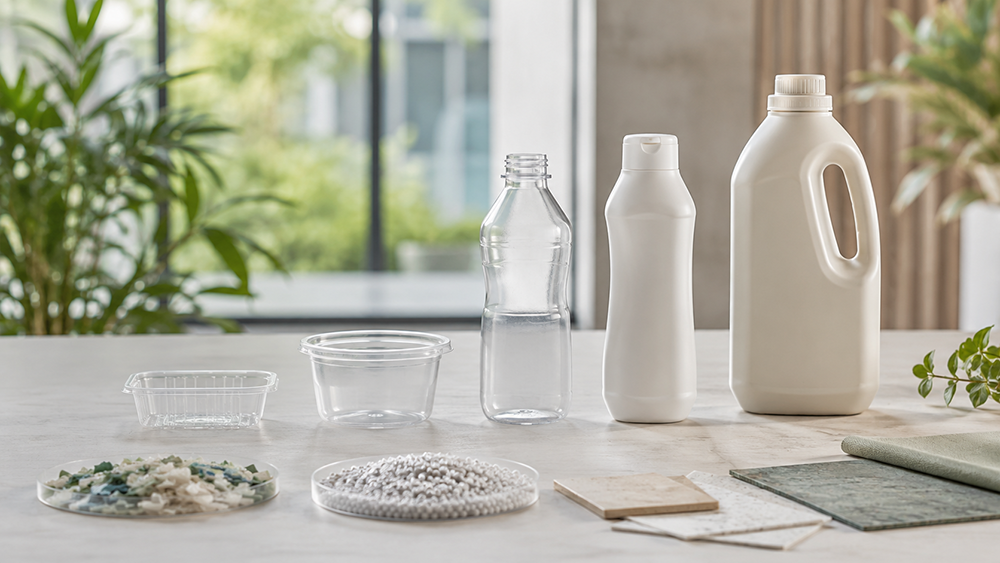
Ask ten companies about their plastic strategy and you’ll probably hear ten different answers. One business is redesigning its packaging. Another is preparing for new Extended Producer Responsibility (EPR) requirements. A third is investing in recycled content, while another is exploring plastic recovery initiatives. Each organization is making progress, but they’re not necessarily working on […]
Plastic Free July: What about the plastic we still need?
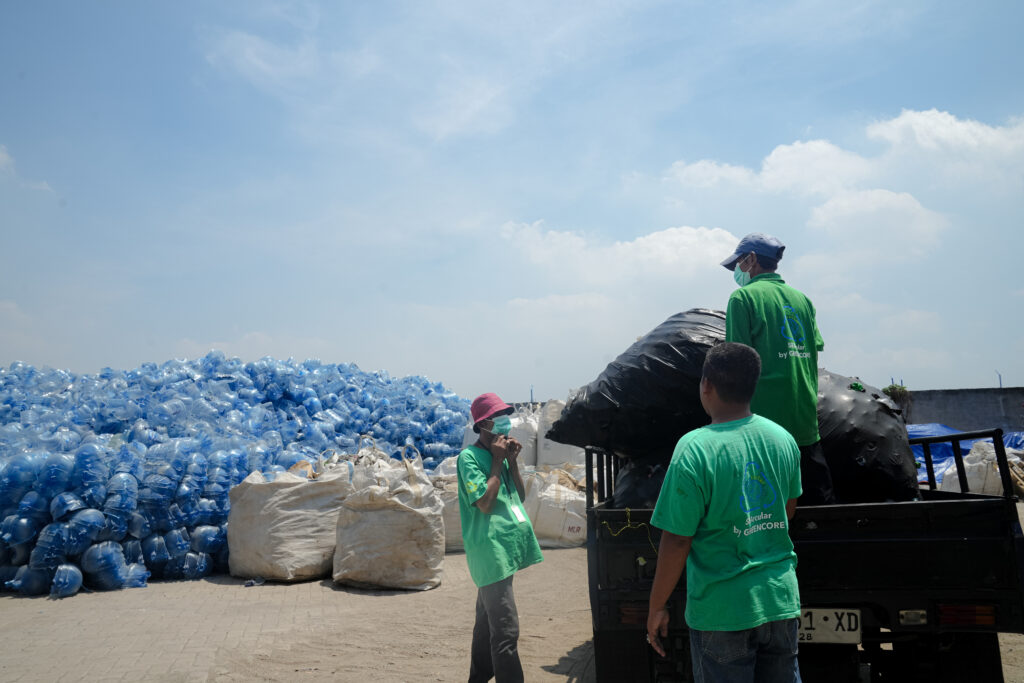
Every July, millions of people around the world take part in Plastic Free July, a global movement that encourages people to reduce unnecessary plastic in their everyday lives. Whether it’s carrying a reusable coffee cup, refusing plastic cutlery, or bringing a reusable shopping bag, the campaign reminds us that small changes, repeated by enough people, […]
Design for recyclability: why it fails in practice (and what companies miss)
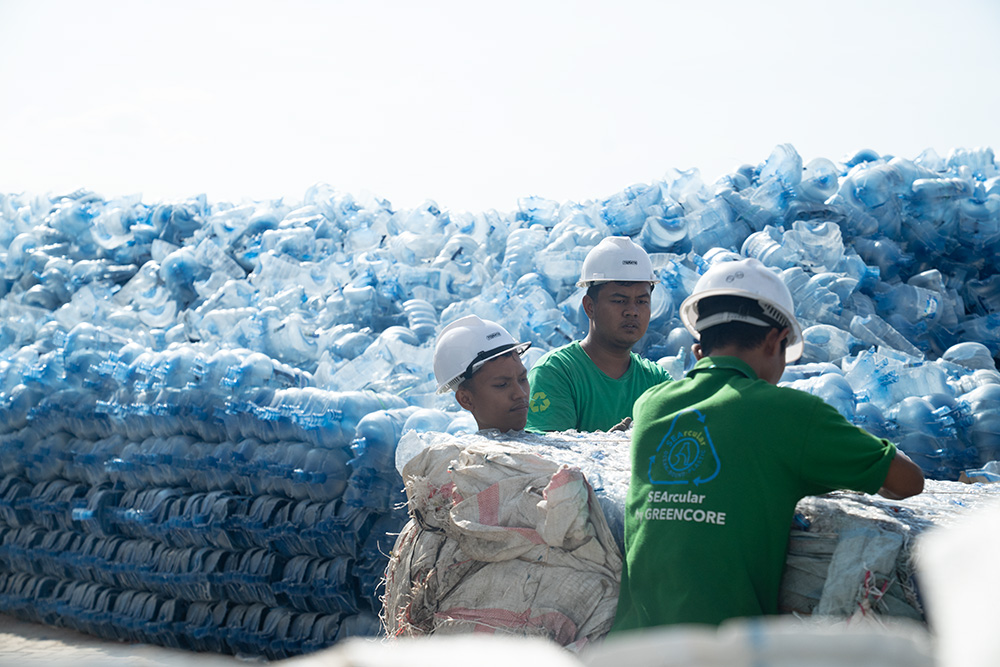
Design for recyclability (DfR) has become one of the most widely discussed concepts in sustainable packaging. Brands are redesigning packaging formats, reducing problematic materials, improving recyclability scores, and aligning products with emerging regulatory frameworks. On paper, this appears to be a significant step forward. But there is a problem. A package can be designed for […]
Packaging sustainability claims: why they fail internal approval (and how to fix it)

Packaging sustainability claims should be straightforward. If your product is doing good, you should be able to say it. But inside most organizations, it’s rarely that simple. Marketing wants bold messaging. Sustainability teams want accuracy. Legal wants zero risk. The result is often the same: delays, watered-down claims, or no claims at all. If your […]
Earth Day 2026: The problem isn’t plastic. It’s waiting.
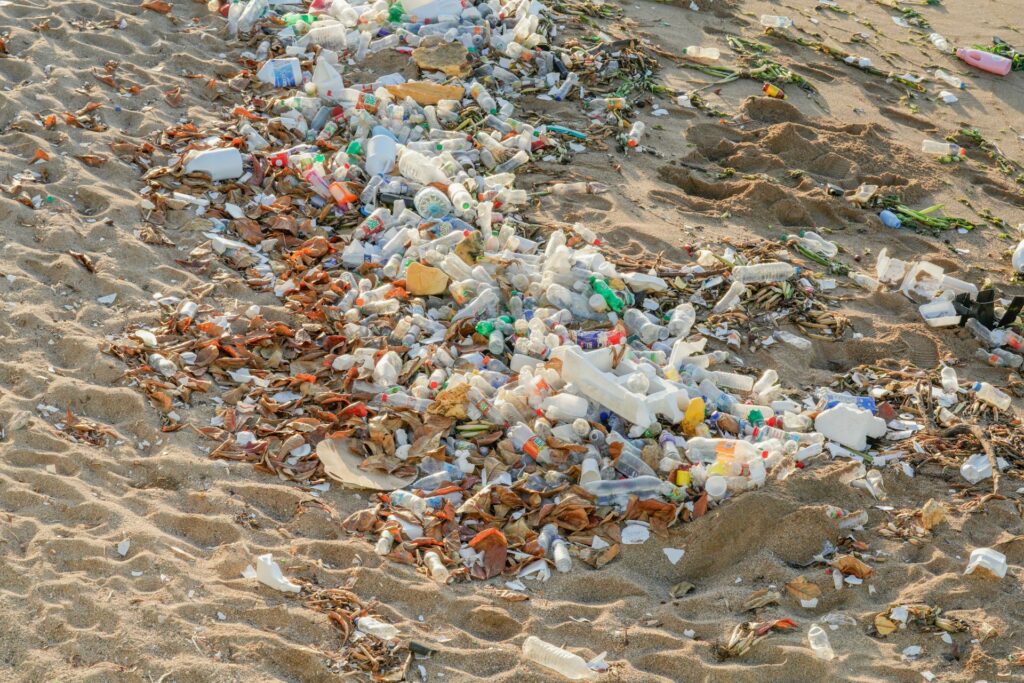
In business sustainability, there’s a quiet assumption that shapes more decisions than we like to admit: that the best solution hasn’t arrived yet. It appears in conversations about next-generation materials, in long-term circularity strategies, and in the belief that given enough time, systems will evolve into something more efficient and sustainable. On the surface, that […]
Global Recycling Day 2026: What will we recycle if nothing is recovered?
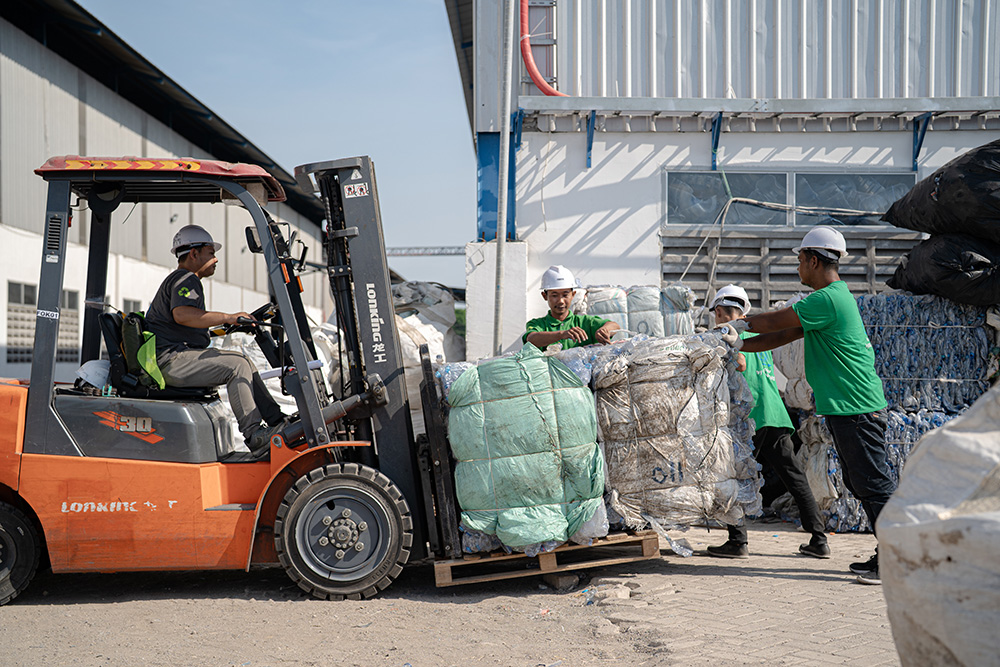
We celebrate recycling like it’s a given. We talk about it as a system that simply exists. Something reliable and always there. But here’s the uncomfortable question no one asks: What exactly are we recycling… if nothing is being recovered in the first place? Because recycling doesn’t begin in the bin. It begins in the […]