

How certified plastic recovery strengthened packaging claims for August
When period-care brand August committed to making transparent, evidence-based packaging claims, they turned to Plastic Collective’s certified plastic recovery program. The result: a stronger sustainability narrative, audit-ready data, and precise alignment with emerging packaging regulations.
This case demonstrates why certified recovery is becoming essential for brands making recycled or recovery-based plastic claims.
What is certified plastic recovery?
Certified plastic recovery is a verified process that measures, audits, and verifies the removal and environmentally responsible treatment of plastic waste. Plastic Collective’s program follows globally recognised standards and produces traceable, audit-ready evidence that brands can use for packaging claims, EPR reporting, and sustainability disclosures.
It ensures:
- Plastic recovery is measured accurately
- Waste is sourced responsibly, often supporting under-resourced communities
- Data is independently verified
- Claims are compliant with global regulatory expectations

Why this matters for brands like August
Sustainability claims, particularly “recycled,” “plastic-neutral,” or “recovery-based”, are under heightened regulatory scrutiny.
According to UNEP and OECD, misleading environmental claims and inconsistent verification remain a critical barrier to credible plastic reporting (UNEP 2023; OECD 2022).
For August, this meant ensuring that every claim connected to their packaging could withstand auditor review and stakeholder expectations. Certified recovery supports this by:
- Strengthening packaging claims with certified, verifiable data
- Aligning with global packaging frameworks, including EPR schemes, PPWR-style requirements, and voluntary sustainability disclosures
- Ensuring responsible sourcing from waste-picker communities
- Providing transparent impact evidence through measurement and third-party validation
How certified plastic recovery works for brands
1. Measure the Plastic Footprint
Brands begin by measuring plastic flows in packaging and operations. This creates a baseline for recovery requirements and future reporting.
2. Recover and Verify
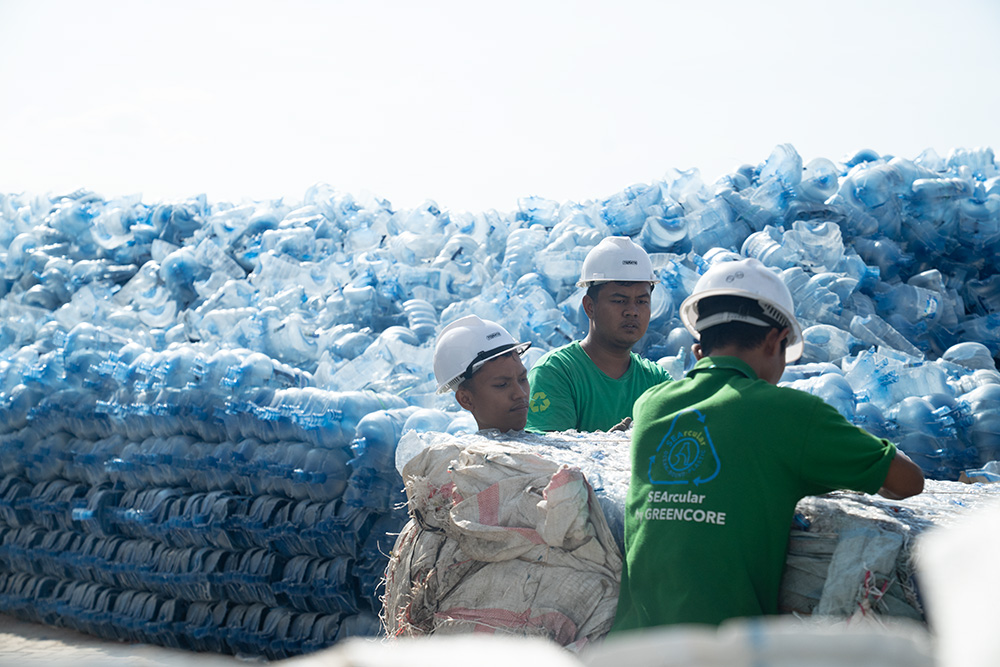
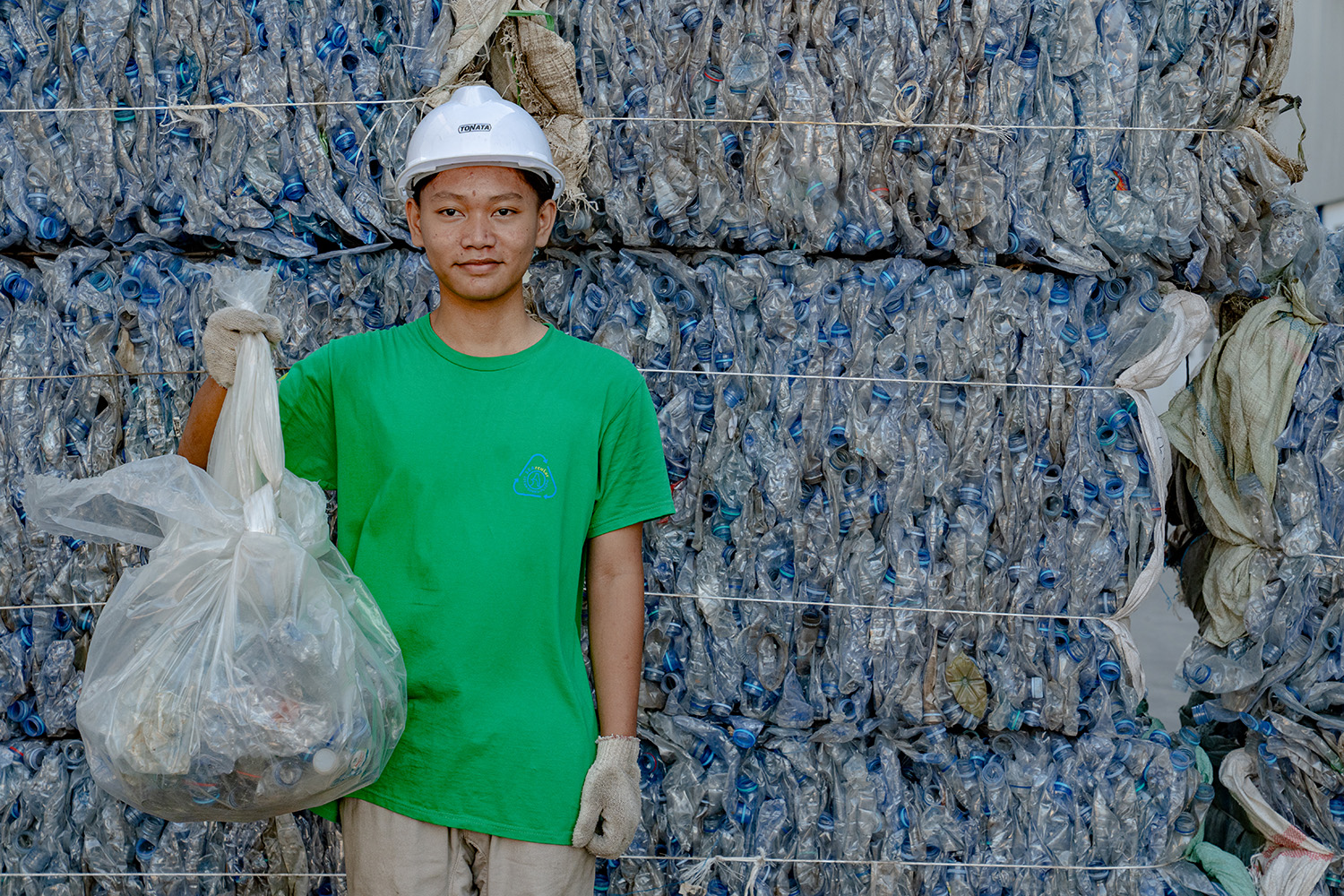
Plastic Collective facilitates the recovery of an equivalent amount of plastic waste, prioritising materials that are unlikely to be collected without intervention.
All recovered material is monitored end-to-end and verified through rigorous audits aligned with leading certification standards.
3. Claim With Confidence
Brands receive:
- Certified plastic recovery certificates
- Traceable data for packaging and sustainability claims
- Documentation for EPR, ESG, and audit reporting
For August, this meant they could confidently and transparently state that each product sold supports 100% certified plastic recovery, aligning both impact goals and compliance needs.

Insights & considerations for brands
1. Claims must match reality
Global guidance from UNEP and regulators stresses the need for precise, documented sustainability claims. Certified plastic recovery eliminates guesswork by providing defensible evidence.
2. Recovery should prioritise high-impact waste
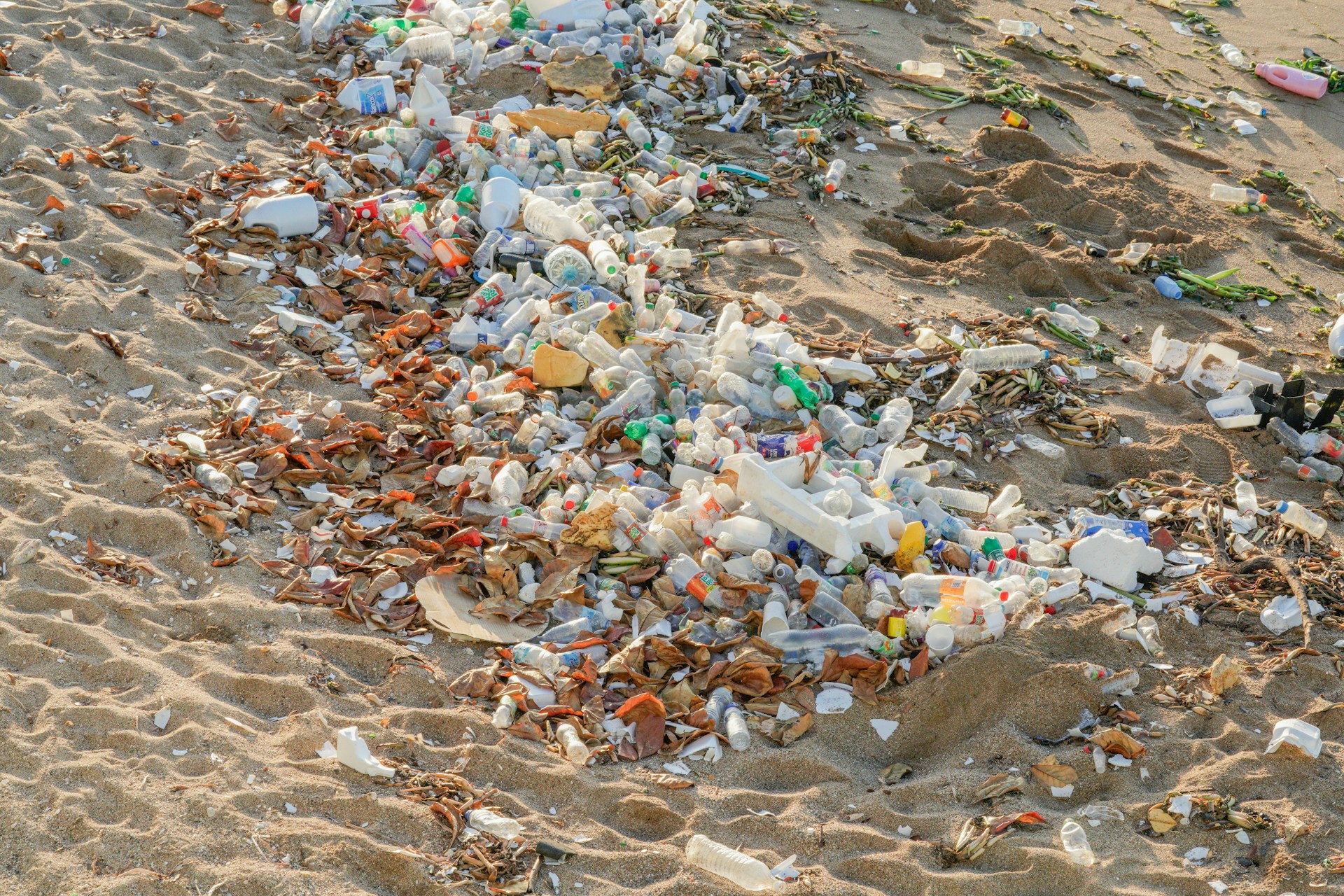
Plastic Collective focuses on the types of plastic most likely to leak into the environment, aligning with global treaty goals and NGO recommendations.
3. Waste-picker livelihoods matter
Responsible recovery models should strengthen, not exploit, local plastic collector communities. August’s partnership helped support ethical, fair-pay systems central to Plastic Collective’s model.
4. Verification is the differentiator
While many brands engage in recovery or offset-style programs, few can demonstrate auditable, certified, and traceable outcomes. Certified plastic recovery protects against accusations of greenwashing and strengthens brand trust.
August’s partnership with Plastic Collective demonstrates how certified plastic recovery can strengthen packaging claims, build consumer trust, and deliver measurable environmental and social impact. As global expectations for proof-based sustainability claims intensify, certified recovery offers brands a compliant and audit-ready solution.
FAQs
1. How does certified plastic recovery support packaging claims?
Certified recovery provides independently validated evidence that plastic equivalent to a brand’s footprint has been recovered and treated responsibly. This allows brands to make transparent, credible claims that comply with global regulatory expectations.
2. Can certified plastic recovery help with EPR and future packaging regulations?
Not directly. Certified plastic recovery is a voluntary, impact-driven activity that sits alongside EPR obligations, not in place of them.
However, it gives brands a powerful, evidence-based sustainability story: with every purchase, your customers help prevent ocean-bound plastic and support ethical recovery systems. Certified plastic recovery strengthens a brand’s broader impact narrative, but it does not count as regulatory compliance under EPR or packaging laws.
3. What types of plastic can be included in certified recovery?
Most commonly recovered plastics include low-value and hard-to-recycle materials that are typically overlooked in conventional waste systems. These create the highest environmental and social impact when recovered.
4. Is certified plastic recovery the same as recycled content?
No. Recycled content refers to material physically incorporated into packaging. Certified plastic recovery refers to certified plastic waste recovery that offsets a brand’s broader footprint. Both serve different regulatory and sustainability needs.
Sources
- UNEP. Global Plastic Pollution Report (2023).
- OECD. Global Plastics Outlook (2022).
- World Bank. What a Waste 2.0 (2018, updated datasets).
- ISO 14021: Environmental Labels and Declarations.
- EU PPWR Draft (2023–2024 working documents).