



Extended Producer Responsibility (EPR) laws are expanding rapidly across global markets. For brands, this shift brings a clear reality: packaging data is no longer a back-office detail. It is a regulatory asset.
Whether EPR is already in force where you operate or still on the horizon, building an EPR-ready packaging data architecture now is the most effective way to reduce compliance risk, avoid rushed reporting, and stay agile as new markets introduce regulation.
Why EPR-ready packaging data matters now
EPR frameworks require producers to take responsibility for the end-of-life impacts of the packaging they place on the market. While the policy mechanisms vary, every EPR system depends on accurate, structured, and auditable data.
Many brands underestimate how complex EPR data reporting requirements can become once they scale across products, SKUs, and geographies. Waiting until regulation is imminent often means retroactively reconstructing data, an expensive and unreliable process.
An EPR-ready approach shifts brands from reactive compliance to proactive readiness.
What is Extended Producer Responsibility (EPR)?
Extended Producer Responsibility is a policy approach that makes producers financially and operationally responsible for managing packaging waste. In practice, this means companies must report detailed information about the type, quantity, and composition of packaging they place on the market.
Although EPR is not yet harmonized globally, one trend is clear: data requirements are increasing, not simplifying.
Core EPR data reporting requirements for packaging
Across markets, EPR reporting for packaging typically requires brands to track:
- Packaging material types (plastic, paper, glass, metal, composites)
- Weight of packaging placed on the market
- Primary, secondary, and tertiary packaging
- Recycled content percentages
- Product and sales volumes tied to packaging use
This is why packaging data for EPR compliance should be captured at the point of design, procurement, or SKU creation not months or years later.

What packaging data should you track today?
If you are a brand owner, data architect, inventory manager, or packaging designer, the most effective time to capture EPR-relevant data is when packaging is specified or ordered.
At a minimum, brands should be tracking:
- Plastic type and broader material category (rigid, flexible, multilayer, etc.)
- Packaging formats and component counts
- Weight per unit and total volumes
- Supplier and sourcing details
- Recycled content percentages
Tracking this data early does more than support compliance. It often reveals opportunities to reduce material use and improve packaging design.
EPR packaging data requirements by country: India, US, and UK
EPR data reporting requirements differ by jurisdiction, but there are strong overlaps across leading schemes. To help teams prepare for compliance, we’ve compiled a clear comparison of Extended Producer Responsibility packaging data requirements across three major markets: India, California (US), and the United Kingdom.
This reference highlights what brands are expected to report today and what they should be preparing for as EPR frameworks mature toward 2026.
What this means for brands preparing for EPR
While reporting formats and portals vary by country, several patterns emerge:
- Material type and weight tracking are universal
- Recycled content reporting is increasingly required or strongly recommended
- Secondary and tertiary packaging is no longer optional in many schemes
- Systems built for one market can support others — if the data is captured correctly from the start
Designing your data architecture around shared requirements is far more efficient than rebuilding systems market by market.
How to design an EPR-ready packaging data architecture
An effective EPR-ready packaging data architecture should:
- Integrate with existing inventory, procurement, or ERP systems
- Capture packaging data at source, not retrospectively
- Allow aggregation by material, product, and market
- Adapt as EPR data reporting requirements evolve
This approach supports regulatory compliance while also strengthening sustainability reporting, internal decision-making, and future market expansion.

Preparing for new markets even if EPR isn’t live yet
Many brands delay EPR preparation until regulation becomes mandatory locally. However, EPR-ready systems provide immediate value:- Faster entry into new regulated markets
- Reduced compliance and audit risk
- Greater confidence in sustainability disclosures
As EPR expands toward 2026 and beyond, readiness becomes a competitive advantage.
How Plastic Collective supports EPR data readiness
Plastic Collective helps brands translate complex EPR packaging data requirements into practical, scalable systems. From identifying what data matters to aligning internal teams and processes, we support companies moving from fragmented reporting to future-proof EPR readiness.
The brands best positioned for EPR are acting before regulation forces them to.
Talk to Plastic Collective about building an EPR-ready packaging data architecture today.
FAQs
What packaging data do EPR laws require companies to report?
Most EPR laws require detailed reporting on packaging material types, weights, formats, and increasingly, recycled content percentages.
How do I prepare my packaging data for EPR compliance?
Start by capturing consistent packaging data at the point of design or SKU creation and ensure it can be aggregated for reporting across markets.
Do EPR data requirements differ by country?
Yes. As shown in the table above, India, the US, and the UK emphasize different details, but all rely on accurate material and weight data.
When should brands start preparing for EPR reporting?
Now. Building EPR-ready systems early reduces cost, complexity, and compliance risk as regulations expand.
Related Posts

Responsible End Markets (REM): How US EPR laws are reshaping demand for recycled plastic
Across the United States, packaging Extended Producer Responsibility (EPR) laws are evolving rapidly and, with them, a major shift in

How to choose a producer responsibility organization (PRO) in 2026
Raise your hand if you’re a brand that sells consumer packaged goods! 🙋🏽♀️ Depending on where your market is, Extended

UK EPR deadlines 2026: Key dates, reporting rules and compliance risks
If you’re a brand in the UK and you use packaging, the new UK extended producer responsibility (UK EPR) regulations
California SB54 EPR Fees Explained: How Material Choices Affect Producer Costs in 2026–2027
California Senate Bill 54 (SB54), the state’s Extended Producer Responsibility (EPR), law is one of the largest and most complex
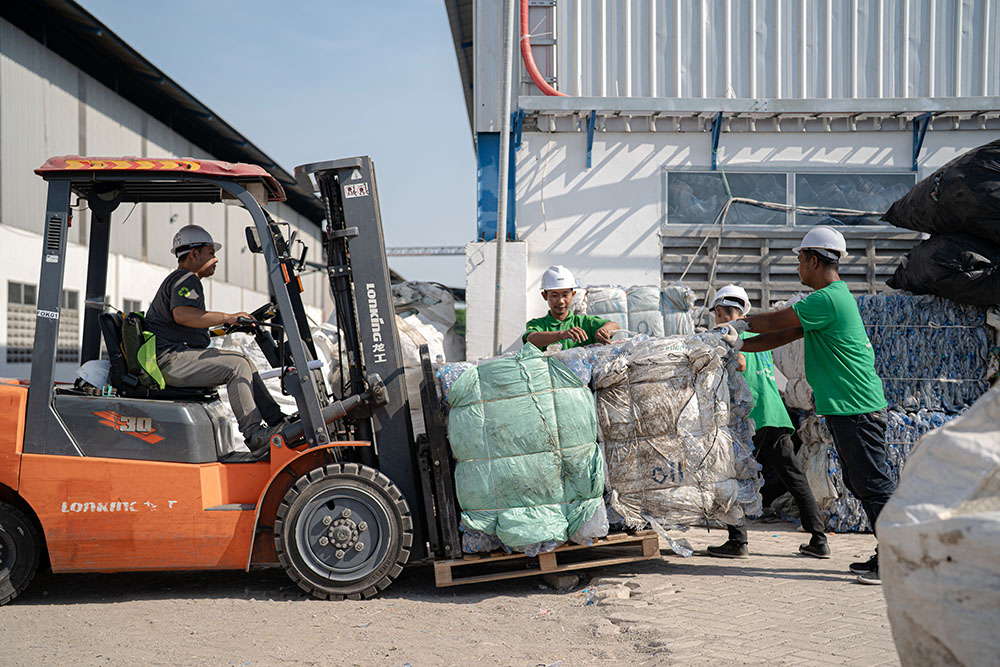
Design for Recyclability 2026: New material, label & additive restrictions
The 2025 EU PPWR (Packaging Waste Regulation) has ushered in a ‘packaging renaissance’, where packaging is being designed for both

COP30 brand takeaways from Belém: what matters for packaging EPR and plastic recovery
Belém, the host city of COP30, has become a vivid symbol of climate disruption. From extreme heat to deforestation and

California’s SB 54 plastic packaging EPR: November 15 deadline explained and what’s next
California’s SB 54 plastic packaging EPR law is the most ambitious packaging policy in the United States. It requires producers

Extended Producer Responsibility – How Can It Drive Global Circularity and Sustainability?
Extended Producer Responsibility (EPR) is the concept that producers and importers should take responsibility for the products they put into

What is Extended Producer Responsibility (EPR) & How do Plastic Credits Fit In?
What is EPR? Extended Producer Responsibility (EPR) is the concept that brands, plastic packaging producers and importers should take responsibility