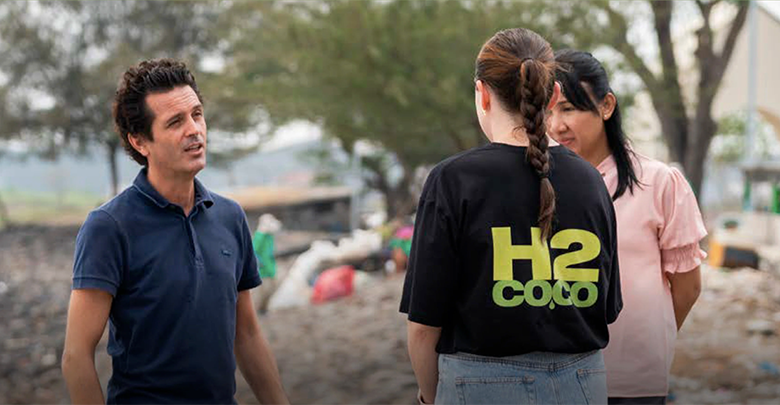


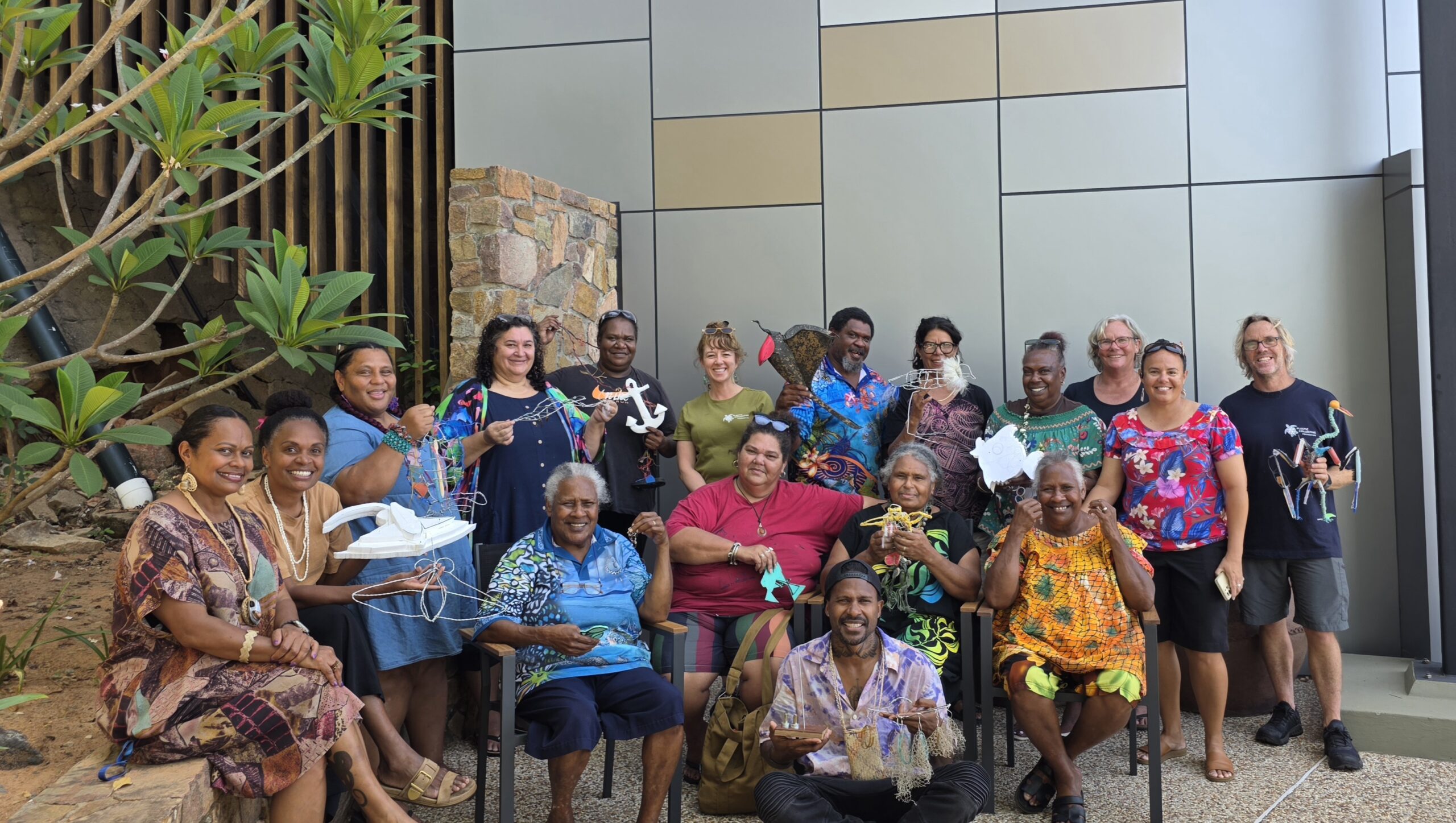
In November 2025, the Torres Strait Regional Authority (TSRA) invited us to deliver an intensive workshop on Waiben, Zenadeth Kes, with 12 local artists from the Torres Straits Islands. The 3-day workshop was held at Gab Titui Art & Cultural Centre with artists from places including Badu, Moa and Erub Island, as well as Seisa and Bamaga.
The aim was to develop skills and knowledge on how to transform marine debris and ghost gear into valuable creative artworks and community resources.
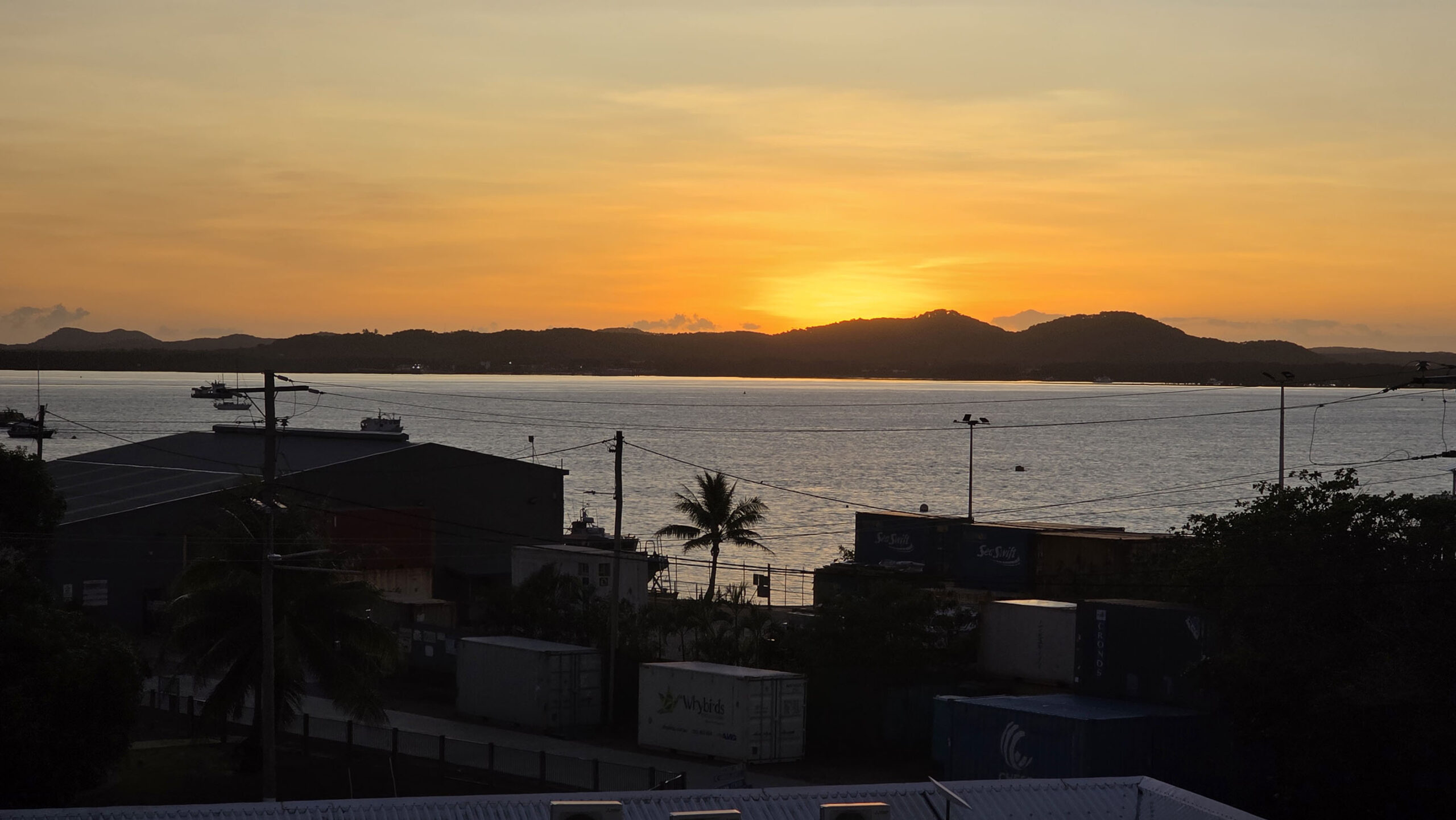
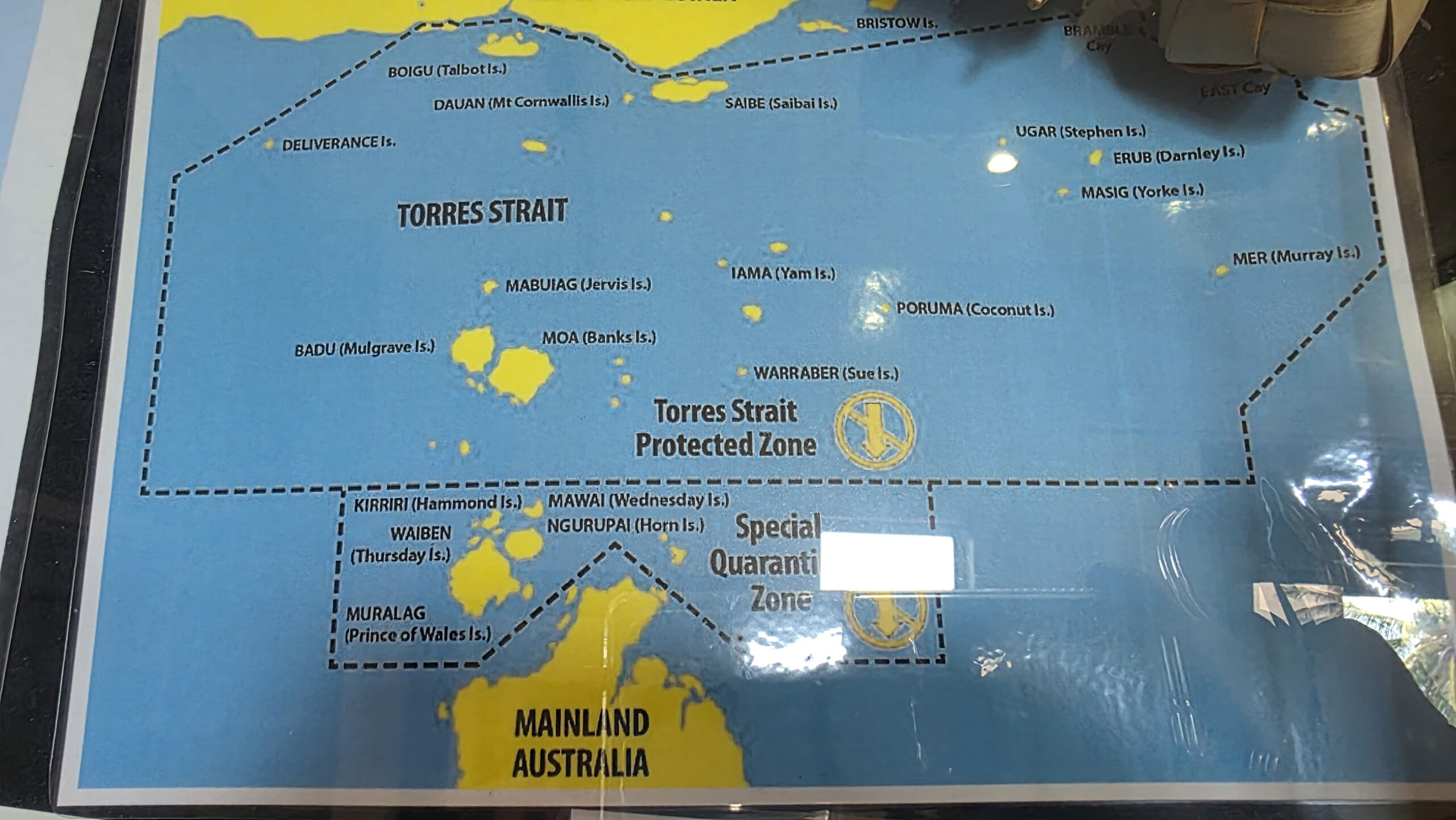
Photo: Zenadth Kes (Torres Straits Islands) are located between Cape York (Australia) and Papua New Guinea.
Turning Tides is a creative partnership and mentoring program established by Plastic Collective Foundation to provide opportunities for remote communities to develop new enterprises, explore innovative design techniques and learn new skills while using abundant marine debris materials found locally washed up on the coastlines.
The Turning Tides program evolved from Plastic Collective’s 2023–24 Hunter Gatherer Networks project, delivered across Indigenous coastal art communities including Tiwi Islands, Arnhem Land, Western Cape York and the Torres Strait Islands. This work enabled us to ask what was needed in communities increasingly inundated with plastic pollution and ocean waste.
Remote northern Australian communities face an overwhelming influx of coastal marine debris, up to 3 ton/km, the majority of which comes from foreign fishing vessels including abandoned, lost and discarded fishing gear (ghost gear) and other waste dumped at sea.
Driven by seasonal monsoon winds and ocean currents, marine debris pollution accumulates on the northwest side of the islands, leaving local communities with costly clean-ups and limited waste disposal options. This persistent plastic pollution threatens marine ecosystems, cultural identity and food security, often forcing communities to manage foreign waste through unsustainable practices such as burning or overcrowded landfills.
Turning Tides aims to change the narrative from waste to resource, turning a pollution problem into an opportunity by providing tools, skills and knowledge to transform ocean plastic, marine debris and ghost nets into valuable creative outputs.
Torres Strait Islanders, like many traditional Indigenous communities, express their culture through art, song and dance. By combining cultural storytelling with new creative processes and techniques, participants are empowered to tell their stories through high-quality artworks and community projects made using ten identified marine debris material groups.
The PC Foundation team included Bay School of Arts teachers Jeremy Sheehan and Jo Elliot, and Louise Hardman, Founder of Plastic Collective. Together, the team combines creative art techniques developed over more than ten years with students, alongside material science knowledge of plastic types and properties found in marine debris.
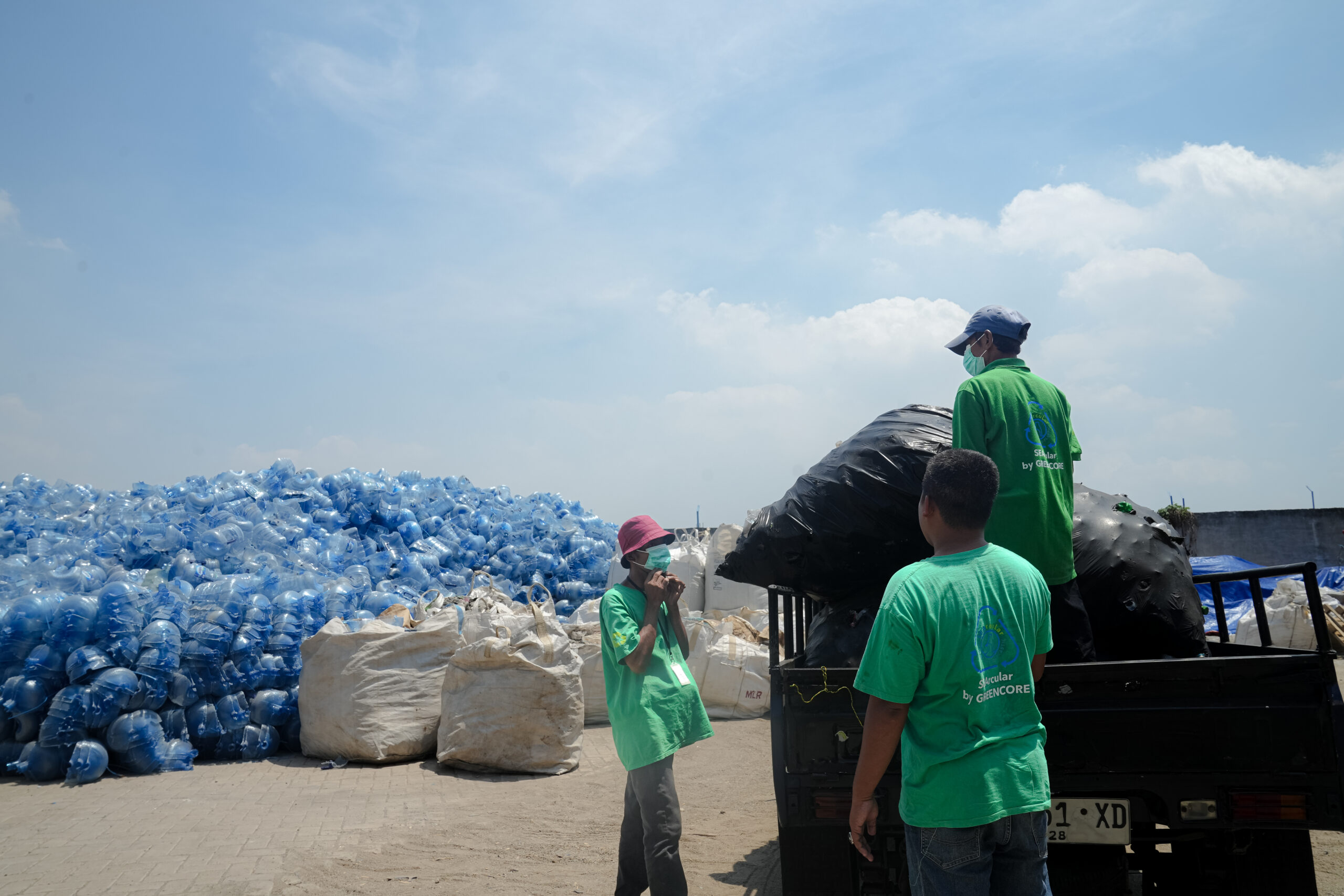
Prior to the workshop we toured local beaches to collect marine debris and ghost fishing gear, and with the help of TSRA guide Amanda Manuel, we gathered enough ‘discarded material’ (not ‘rubbish’) to use throughout the workshop.
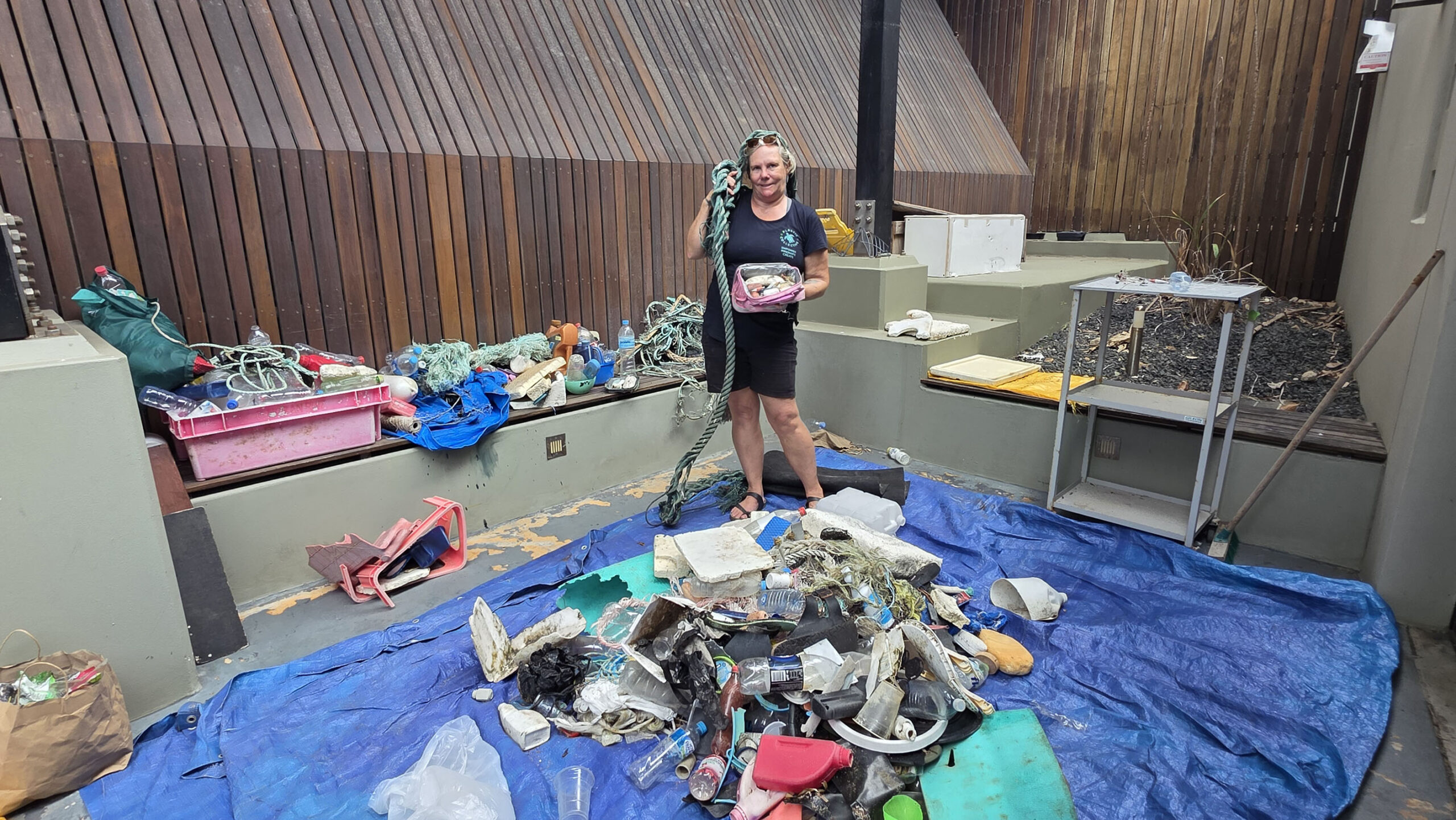
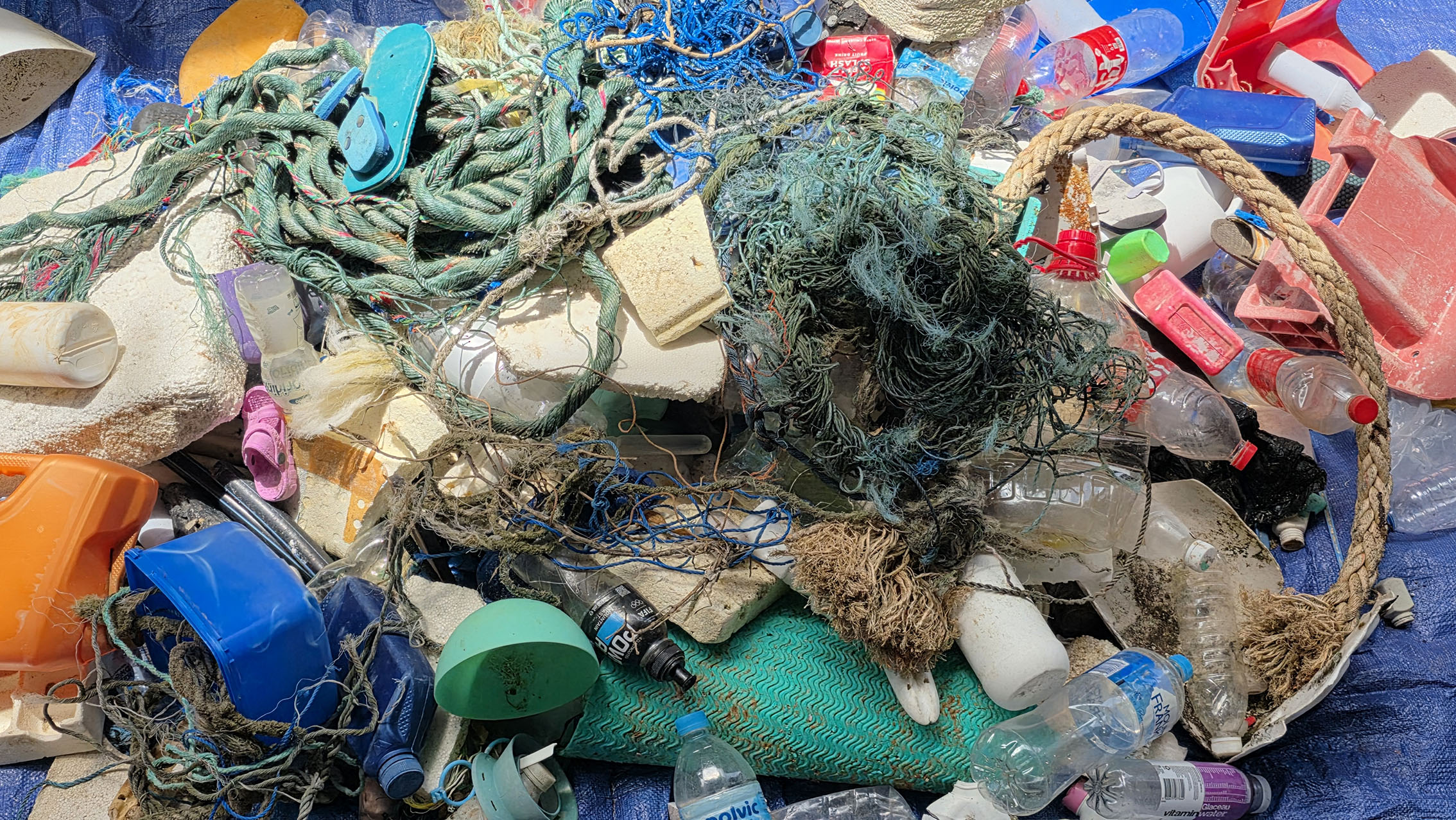
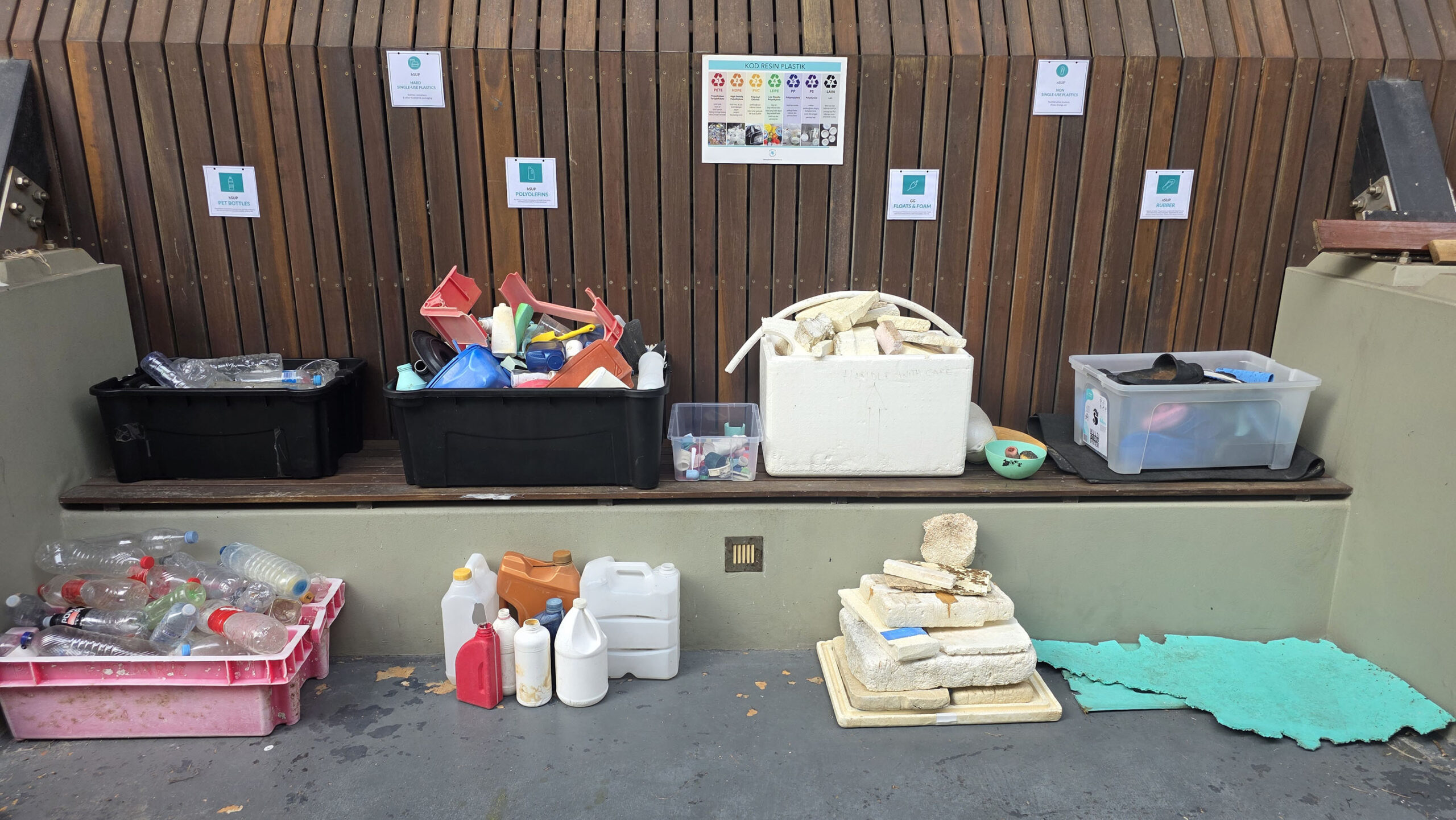
Sort: Sorting marine debris by material type
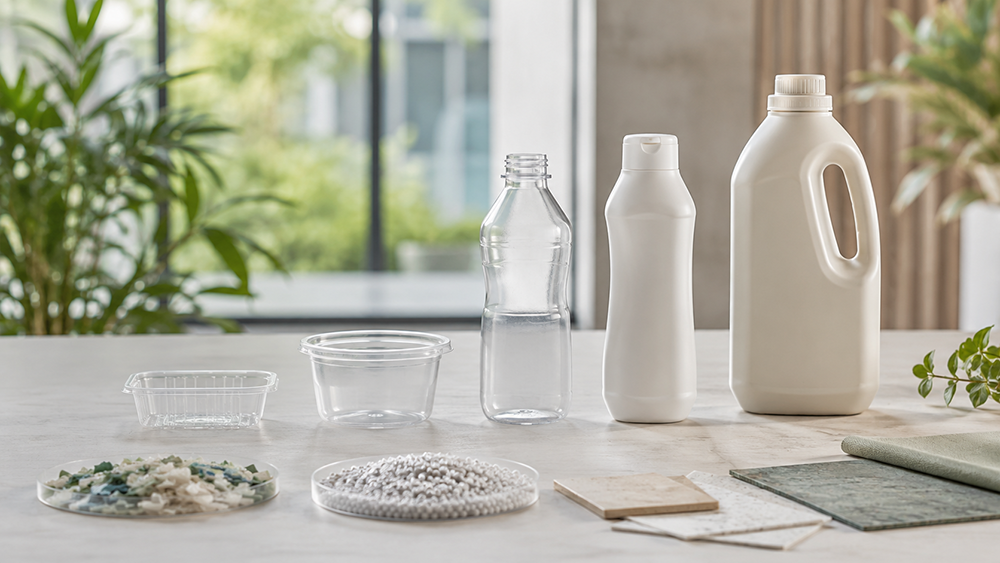
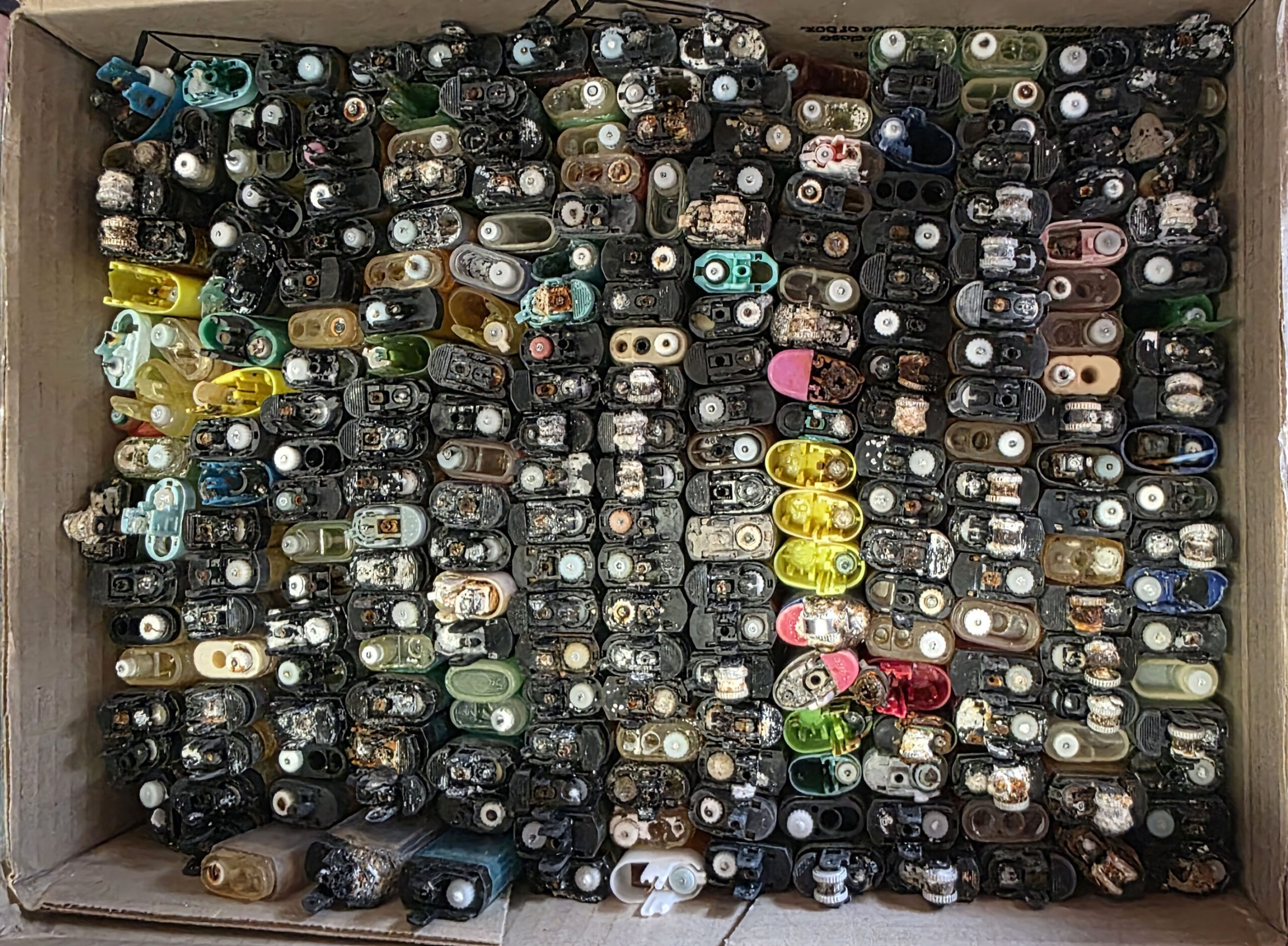
Once the marine debris is collected we sort it into our common material categories, with the main groups being foam/ floats, nets & ropes, polyolefins, PET bottles and rubber. Other smaller, but useful items included squid jigs, lighters and broken plastic pieces. These categories are based on material science, chemical and physical properties of each material group.
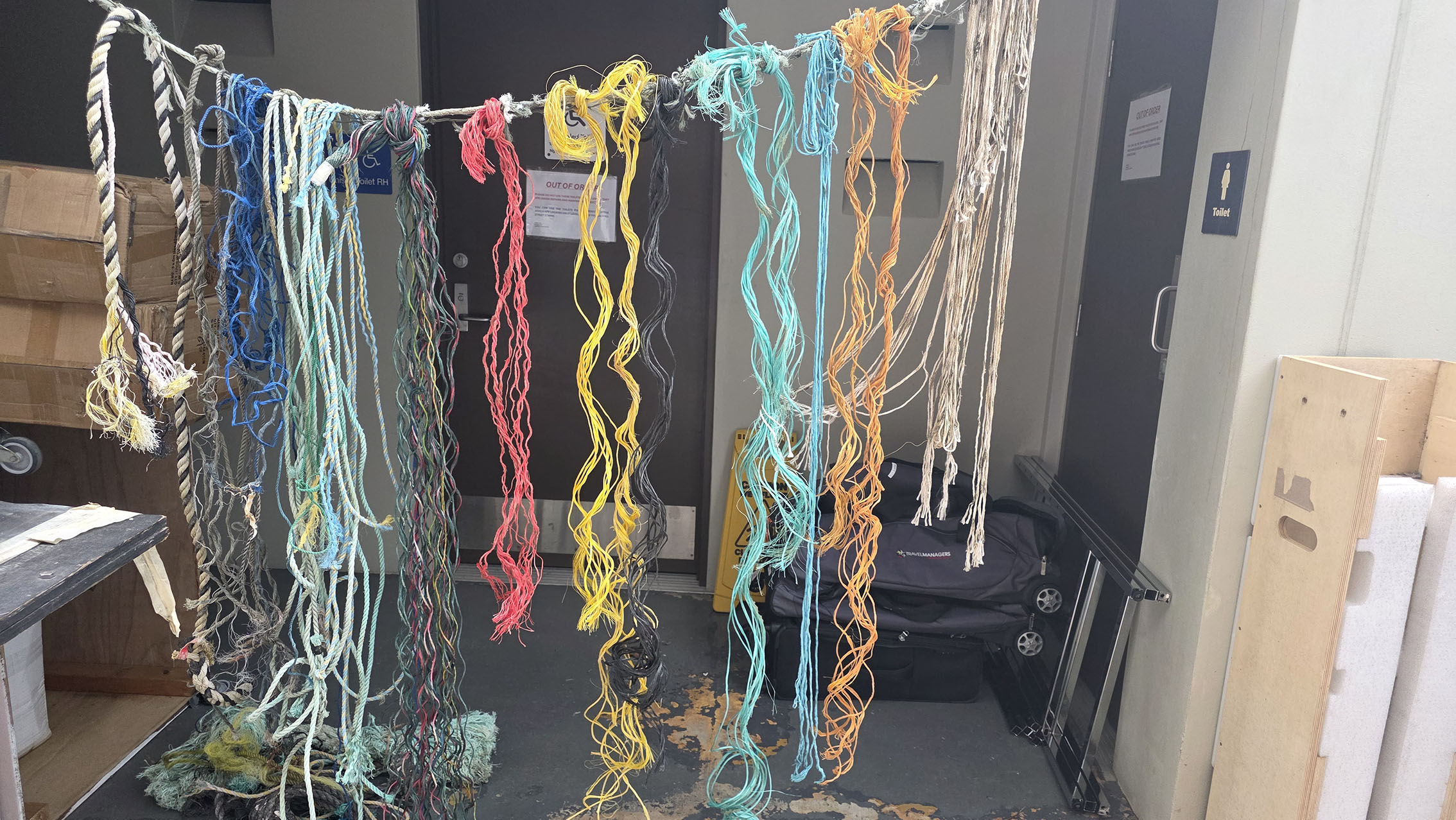
‘Ghost gear’, or abandoned, lost or discarded fishing gear (ALDFG), is made up primarily of fishing nets, ropes, floats, hooks and sinkers entangled together and found on beaches, coral reefs and mangroves — a dangerous death trap for marine turtles, dolphins and other sea life impacted by fishing gear pollution.
In this region, ghost gear from illegal and foreign fishing vessels makes up between 50–70% of all marine debris found in the shallow and fertile fishing grounds between Australia, Indonesia and the Torres Strait, far higher than the global average for fishing-related ocean waste.
Around 30% of the marine debris materials are soft floating items such as rubber thongs and foam from old EPS boxes commonly used as fishing floats, while around 20% are hard plastics including PET bottles and polyolefin containers.
Overall, around 90% of collected materials can be sorted into ten marine debris material groups. Using this system allows maximum value recovery from ocean plastics, using techniques such as cutting, melting, weaving, attaching and shaping.
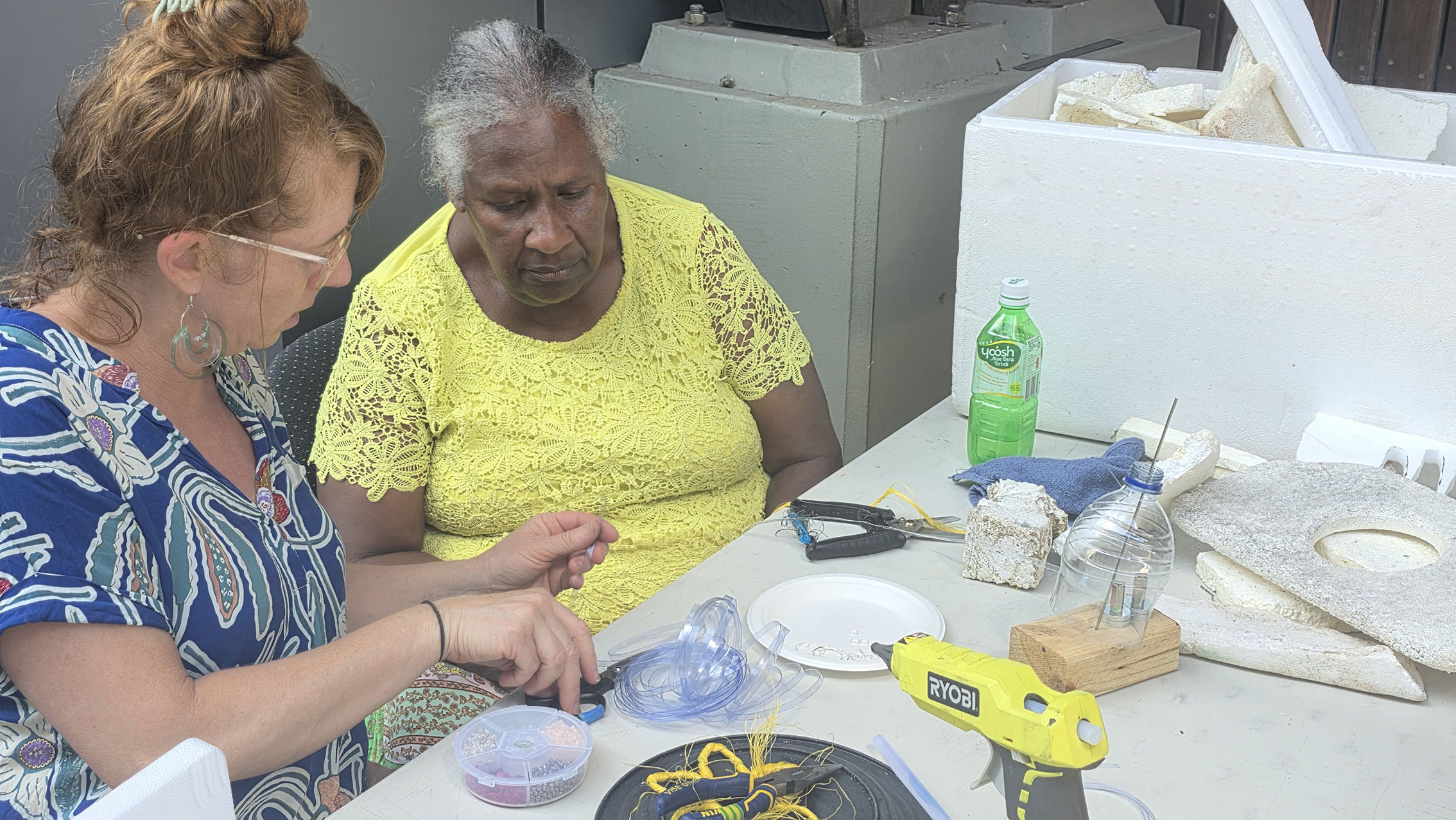
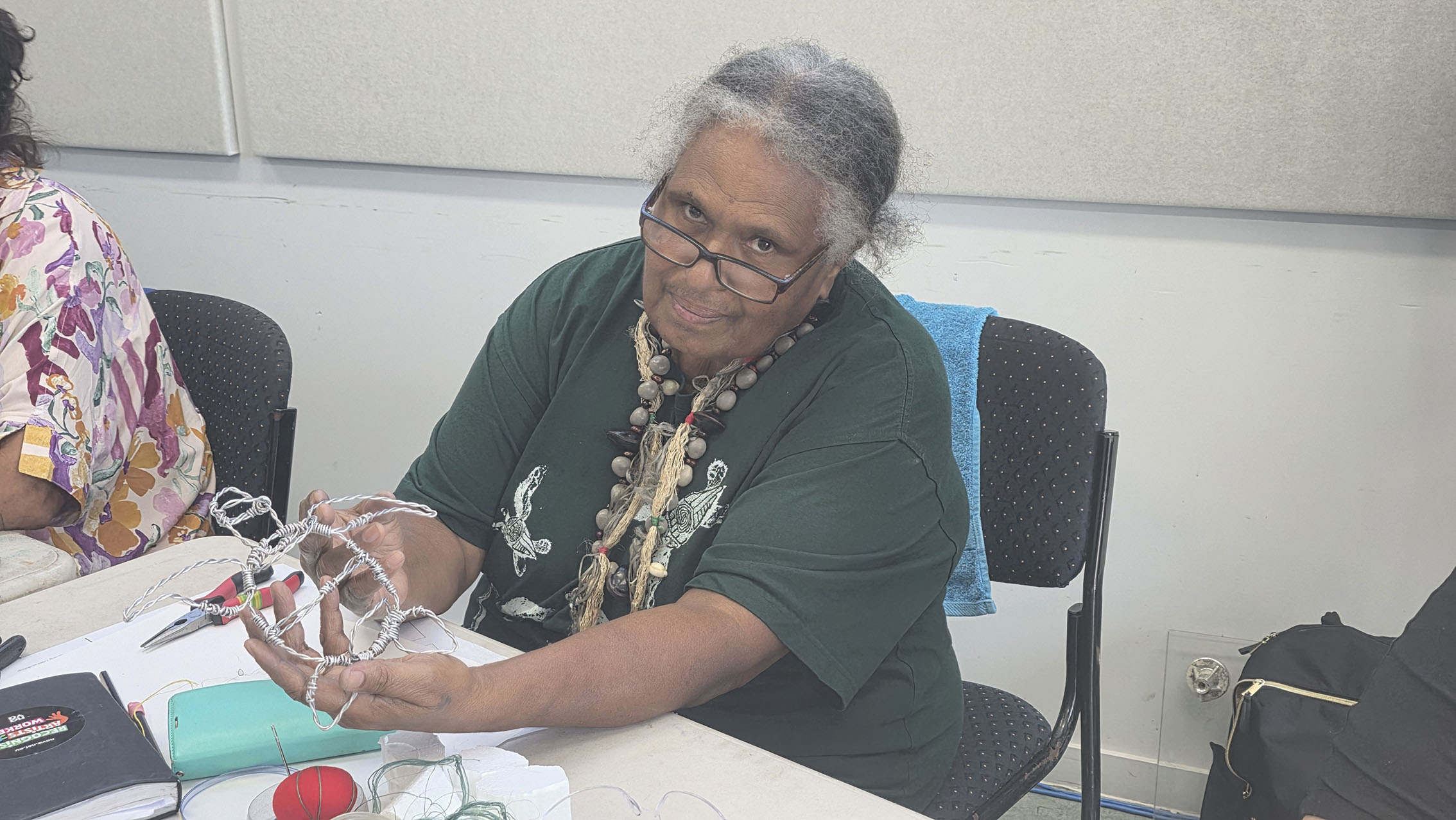
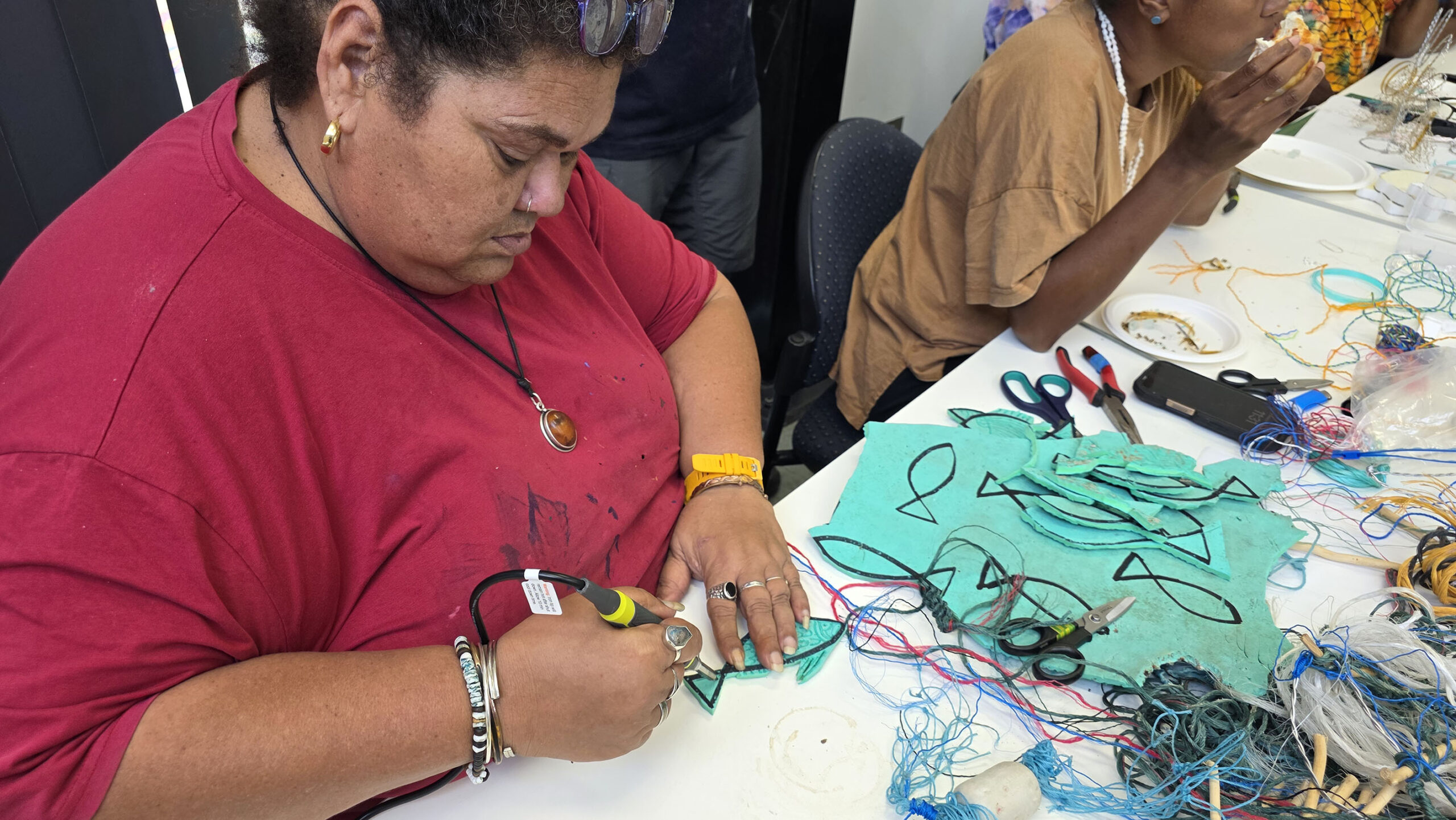
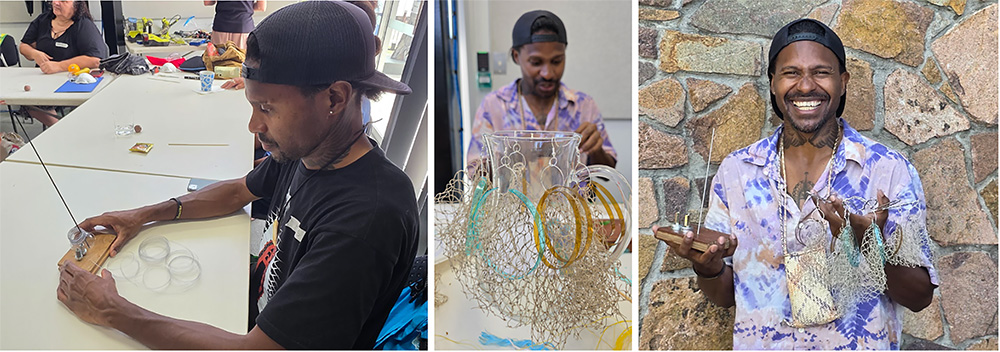
Artists learned design and conceptualisation techniques to plan projects and select the most suitable marine debris materials, using specialised tools to cut, etch, glue and reshape elastomers and thermoplastics into new creative forms.
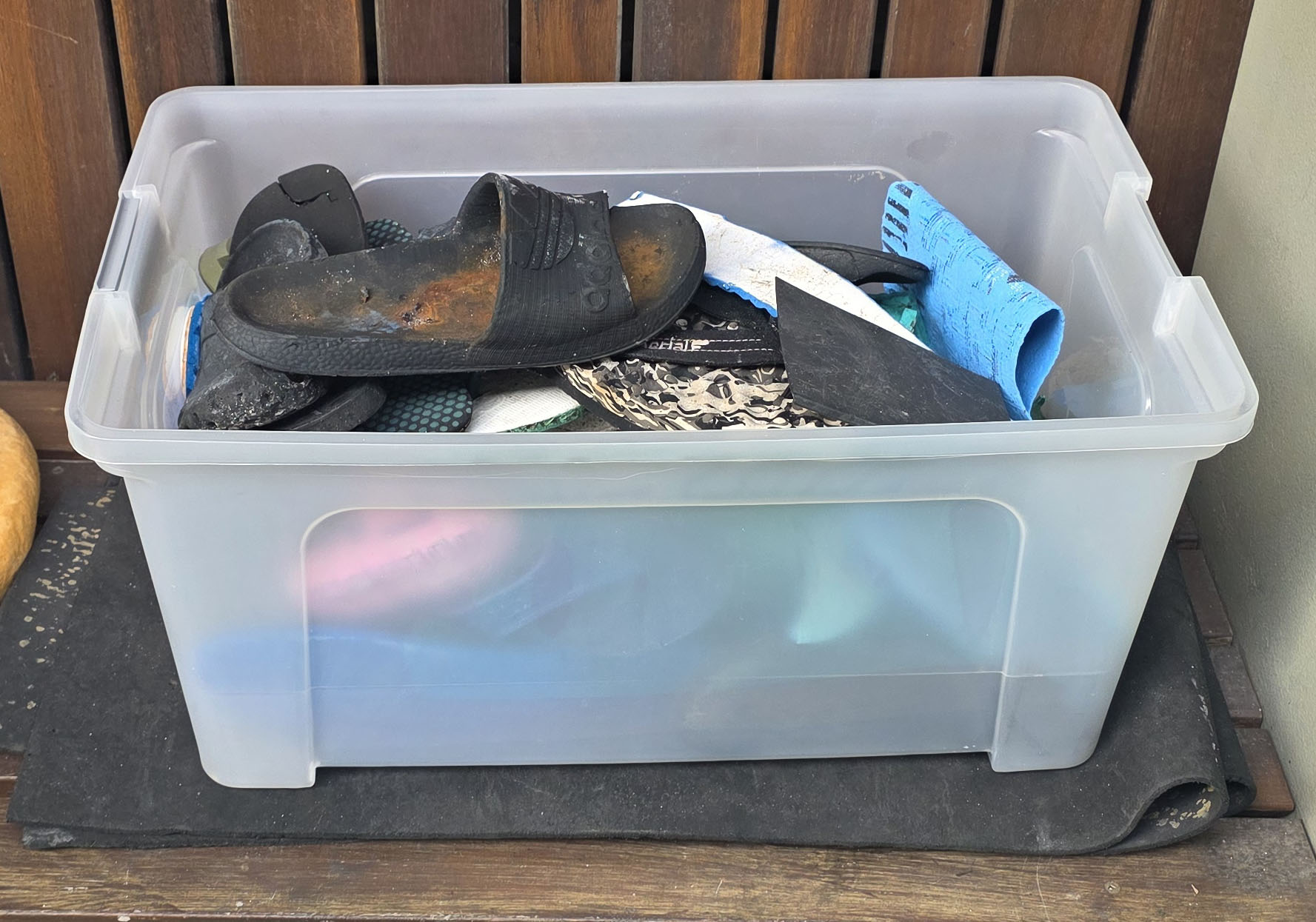
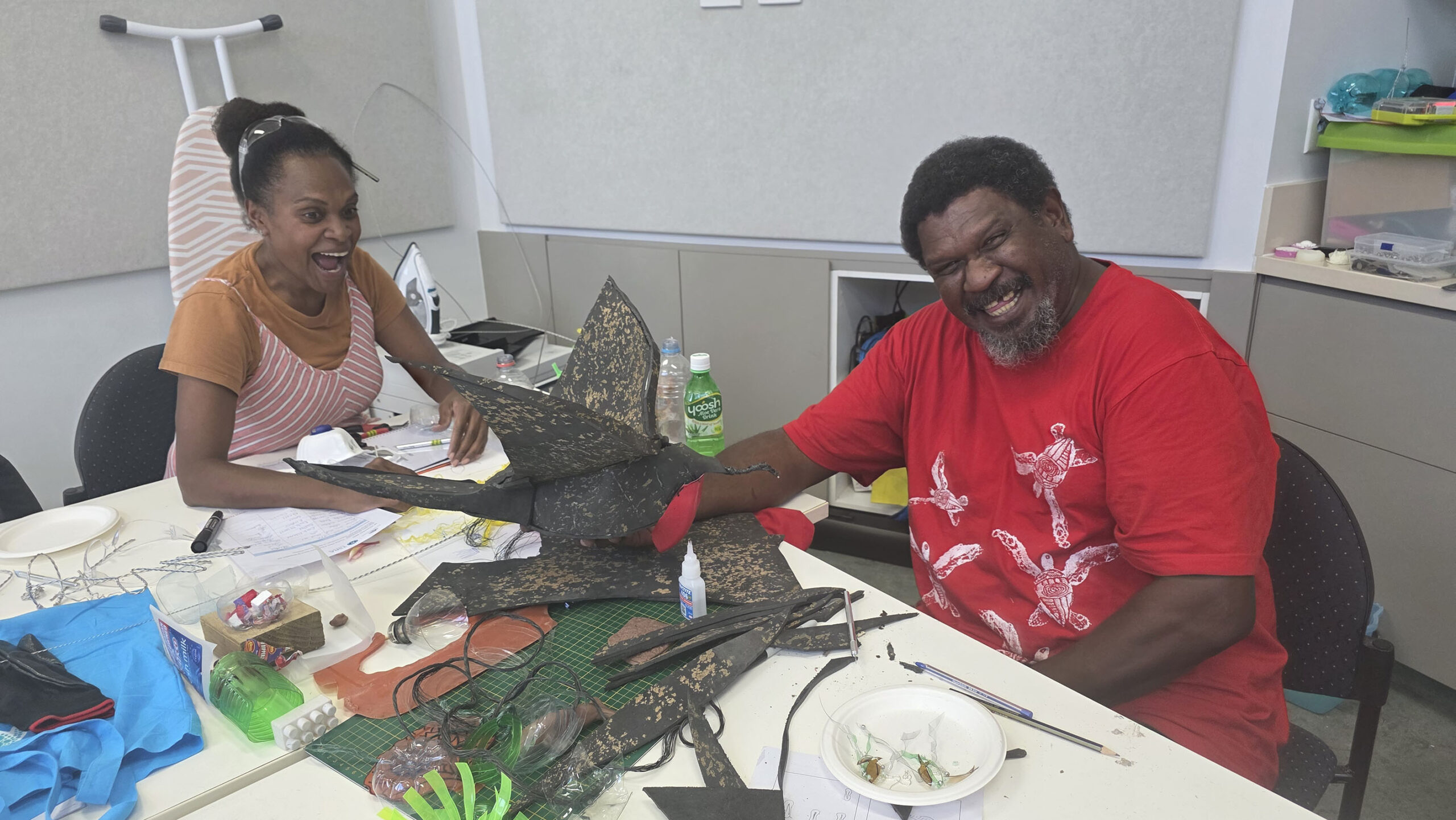
Rubber: Turning flip flops into creative reuse
Amazingly 10% of marine debris comprises rubber thongs / flip flops or sandel jepit (in Indonesian Bahasa). It is not uncommon to find large rubber mats also which can be used for a variety of artworks.
Foam & floats: Tackling one of the most harmful ocean plastics
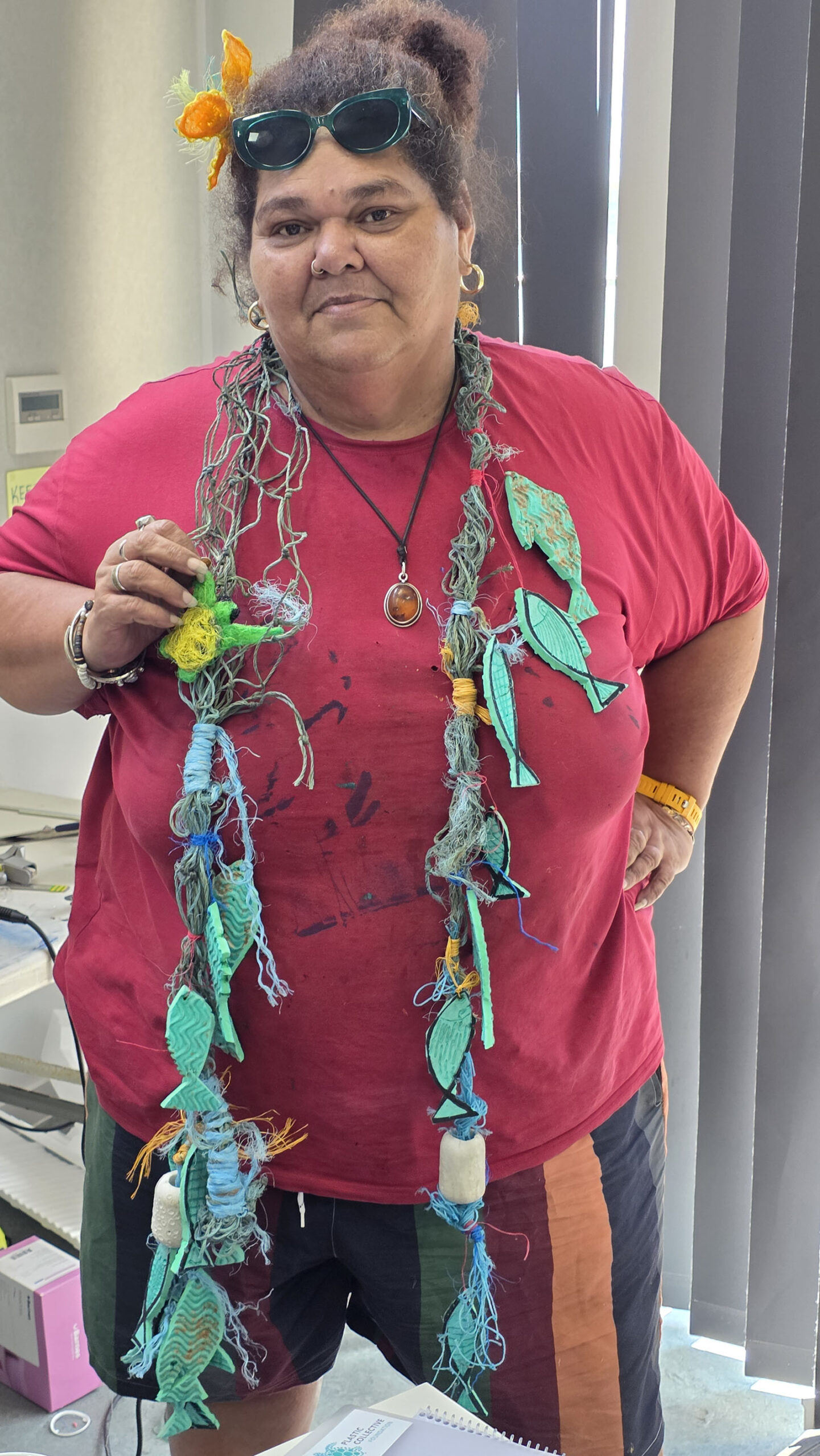
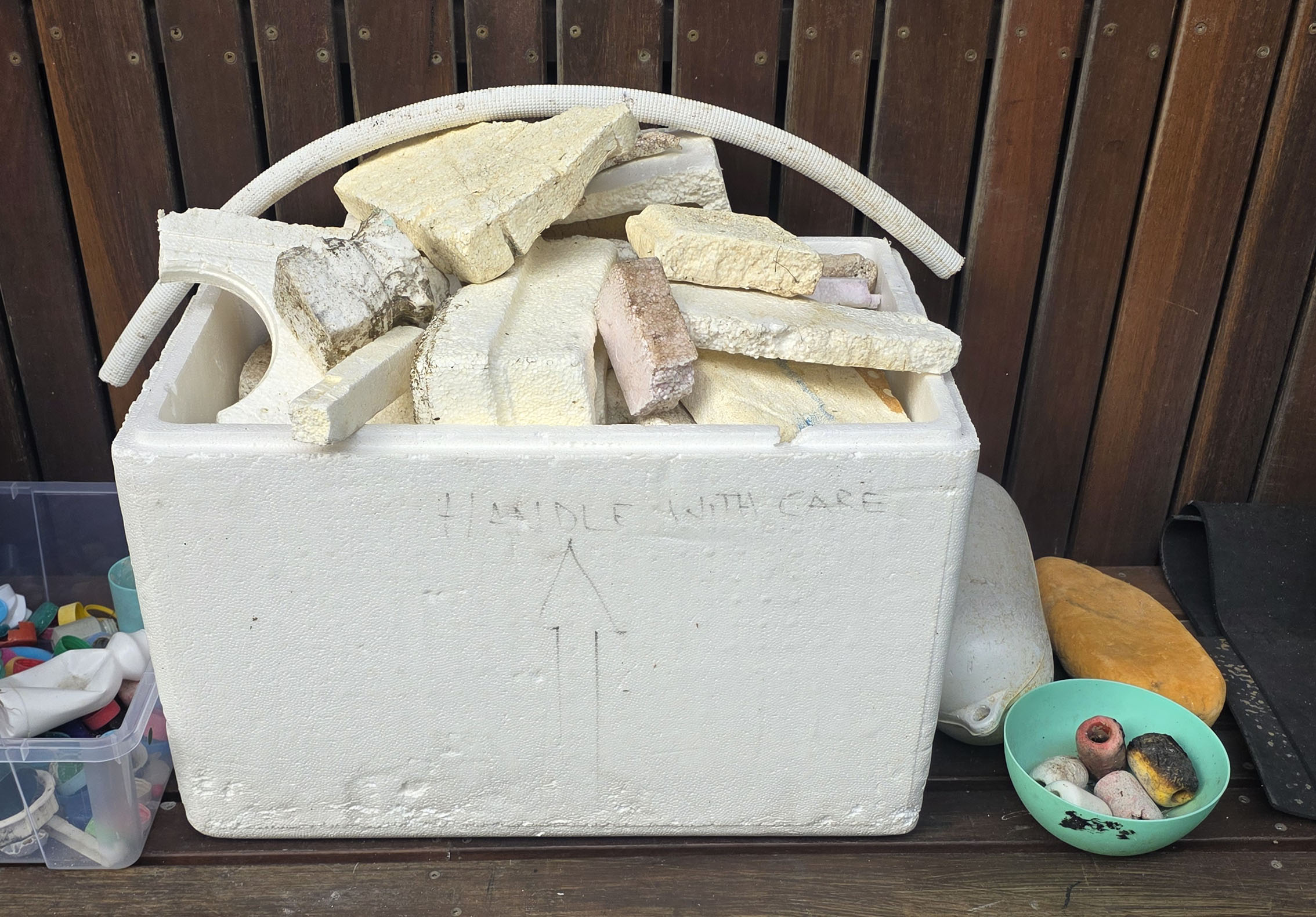
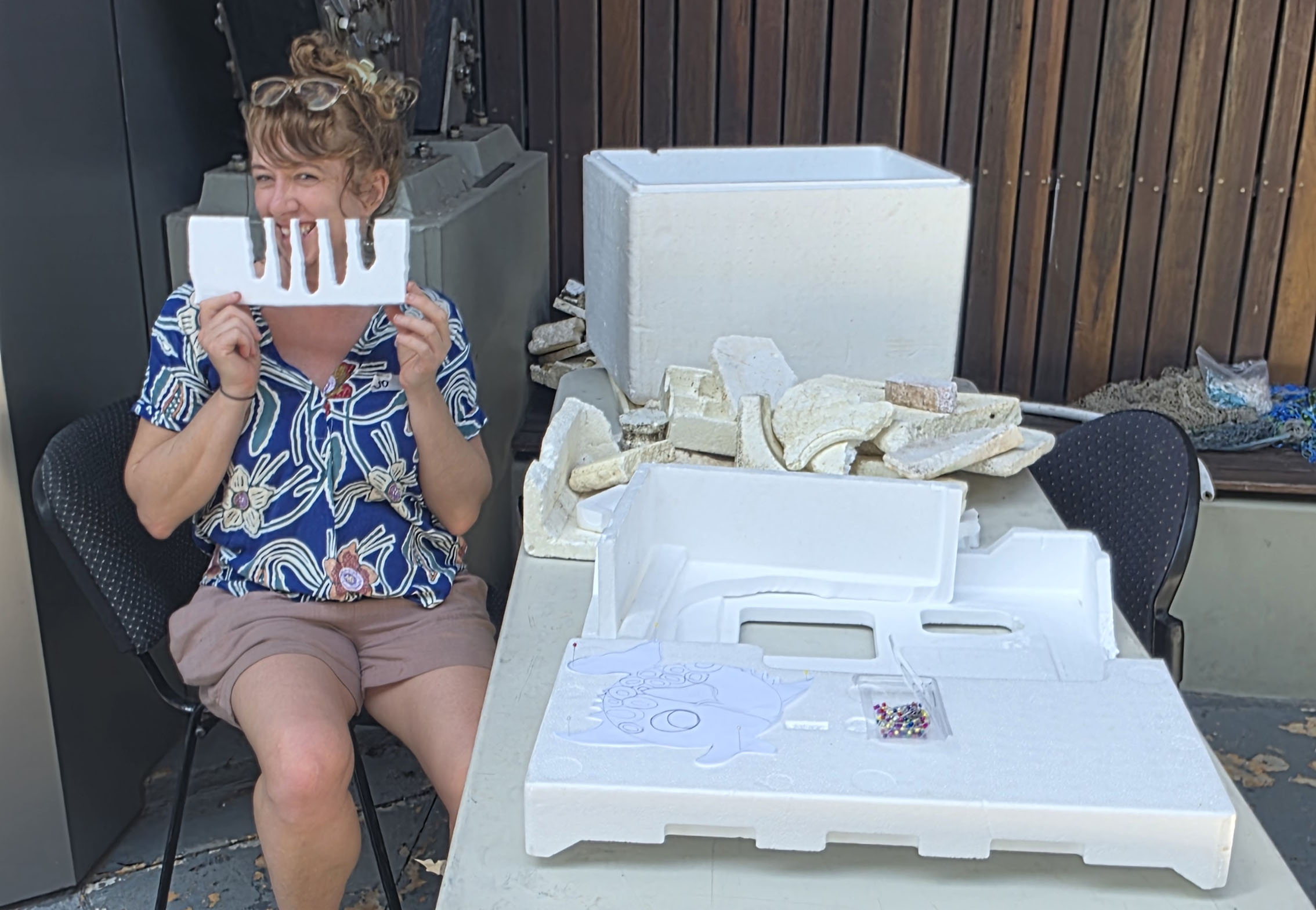
Expanded polystyrene is one of the most harmful plastics found in the oceans, as small balls are often ingested by marine life, as it looks like fish eggs. This material created the foundation for many of the artworks developed during the workshop, through safe work thermosculpting. Nearly all the materials were used over the 3 days, with more being sought as their techniques and skills developed into 3D shaping and etching.
Foam & floats: Tackling one of the most harmful ocean plastics
Expanded polystyrene is one of the most harmful plastics found in the oceans, as small balls are often ingested by marine life, as it looks like fish eggs. This material created the foundation for many of the artworks developed during the workshop, through safe work thermosculpting. Nearly all the materials were used over the 3 days, with more being sought as their techniques and skills developed into 3D shaping and etching.
PET bottles: From ocean waste to filament and thread
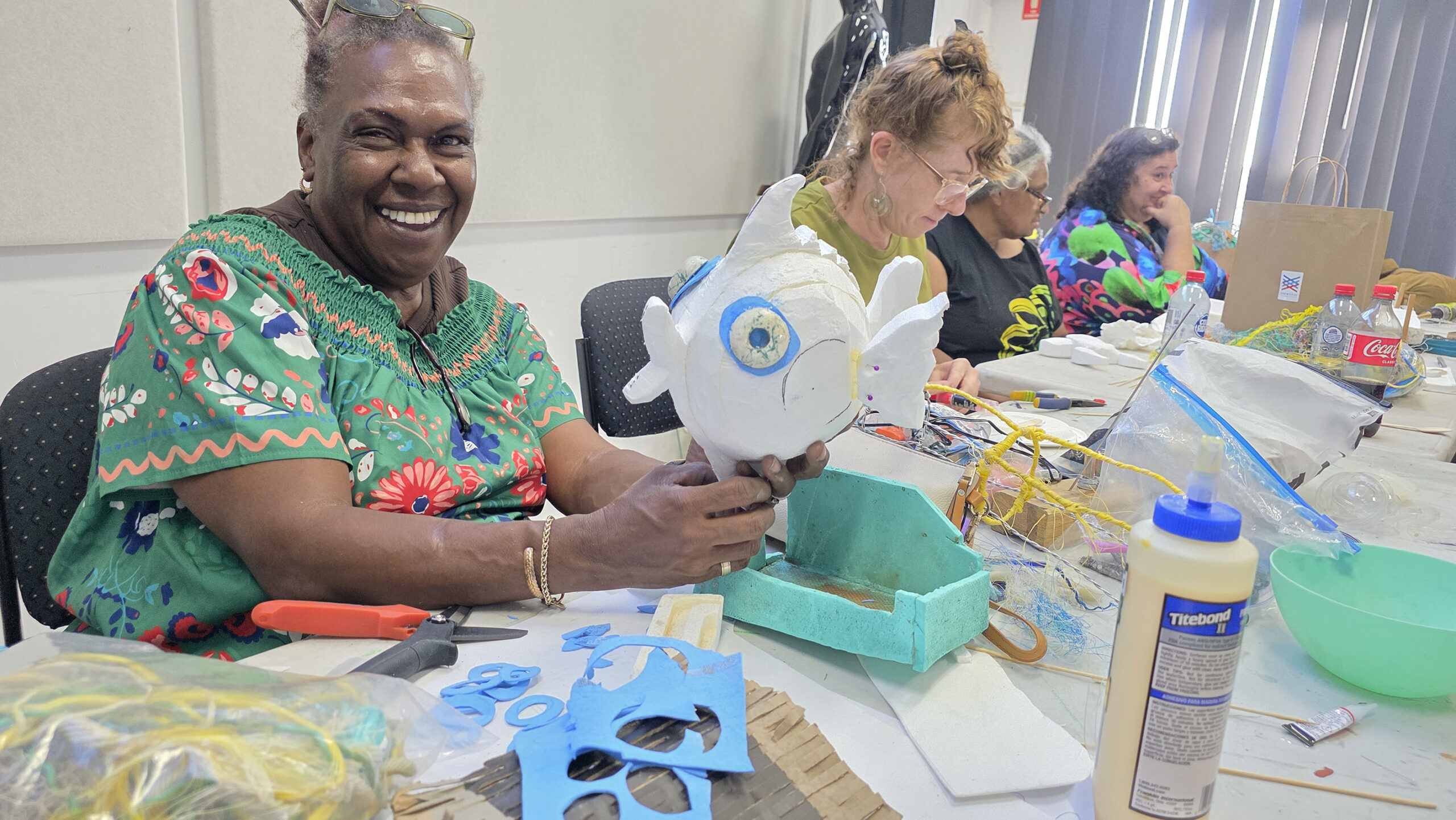
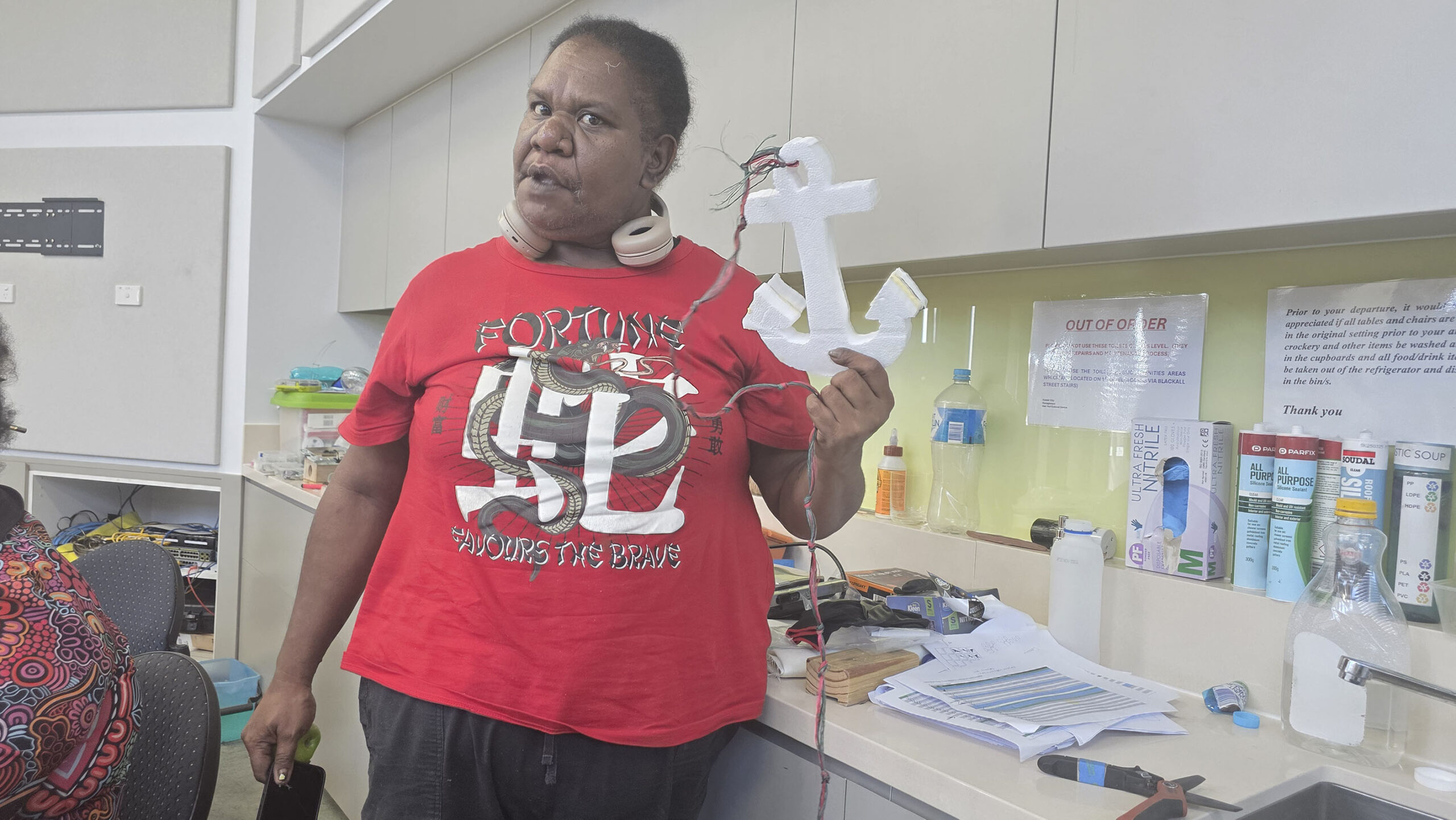
The artists learned thermoforming and remoulding techniques using affordable hand tools developed by environmental artists Jo and Jeremy. PET bottles, a common form of ocean plastic pollution, are made from the same material as polyester and can persist in the environment for hundreds of years.
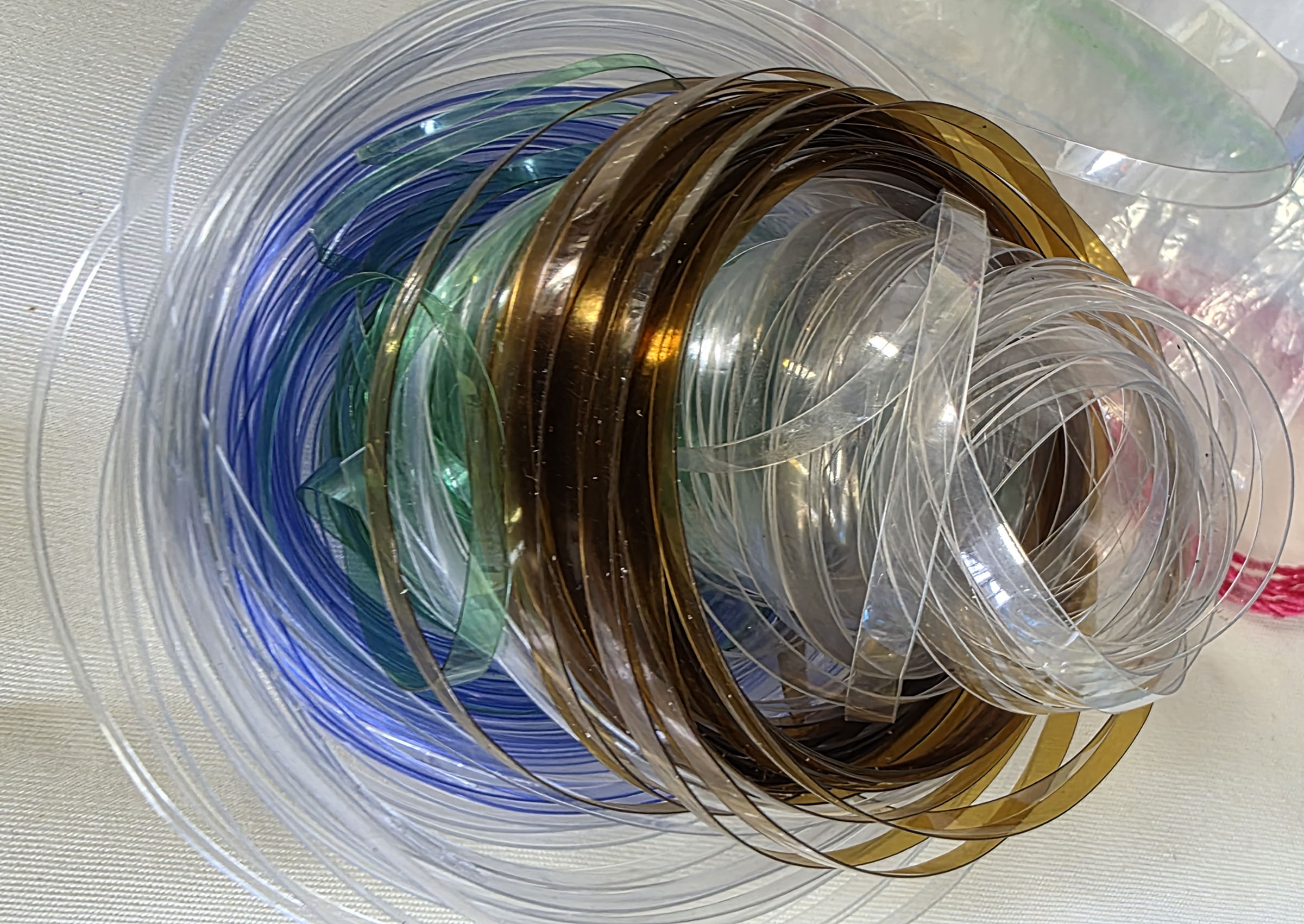
During the workshop, artists transformed old PET bottles recovered from the ocean into high-quality filament and thread, creating new resources with potential applications in jewellery, sculpture and even 3D printing using recycled plastic filament.
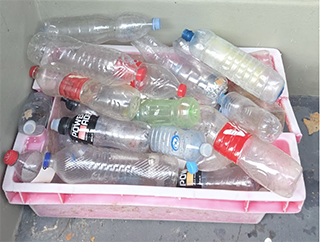
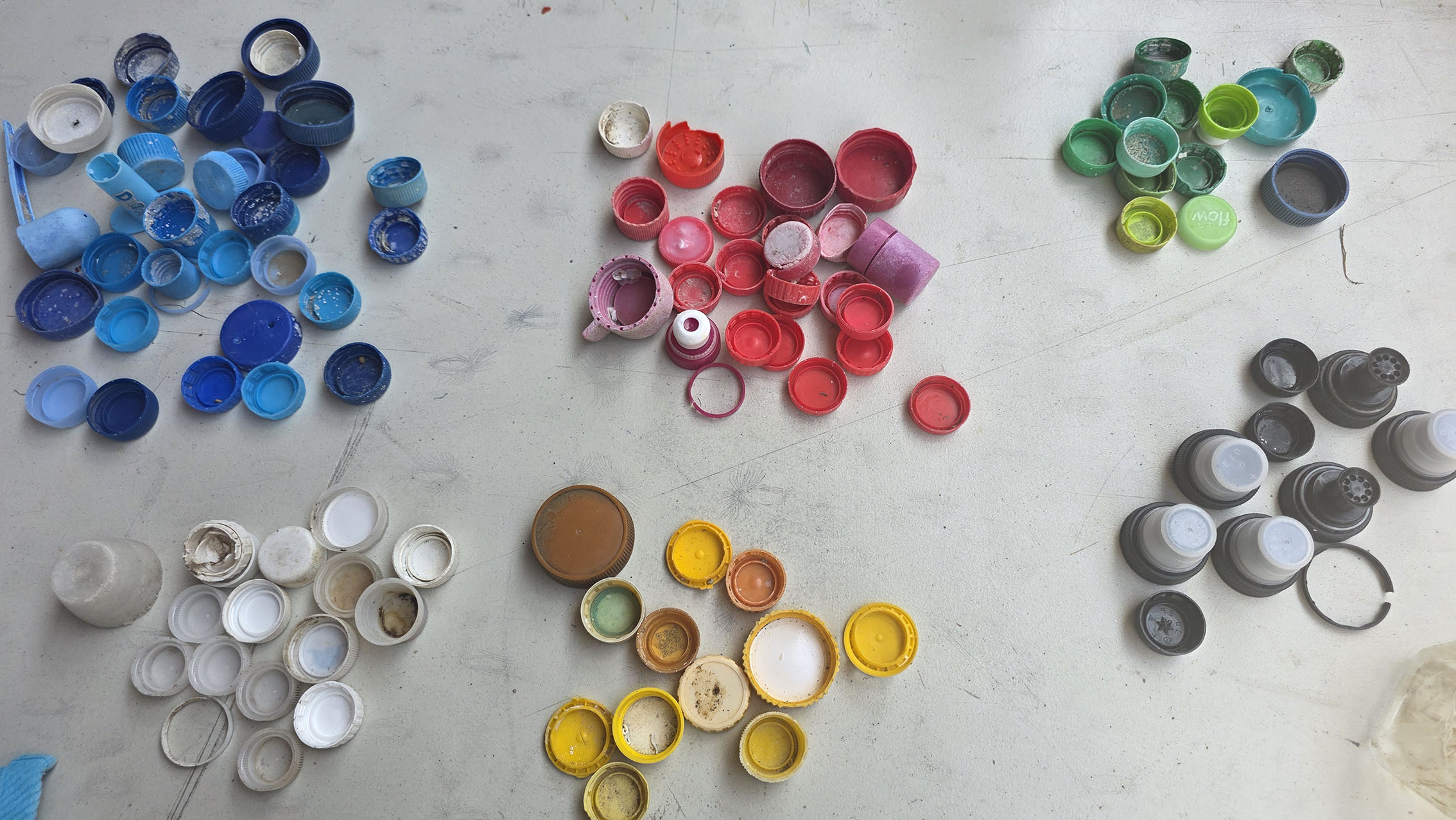
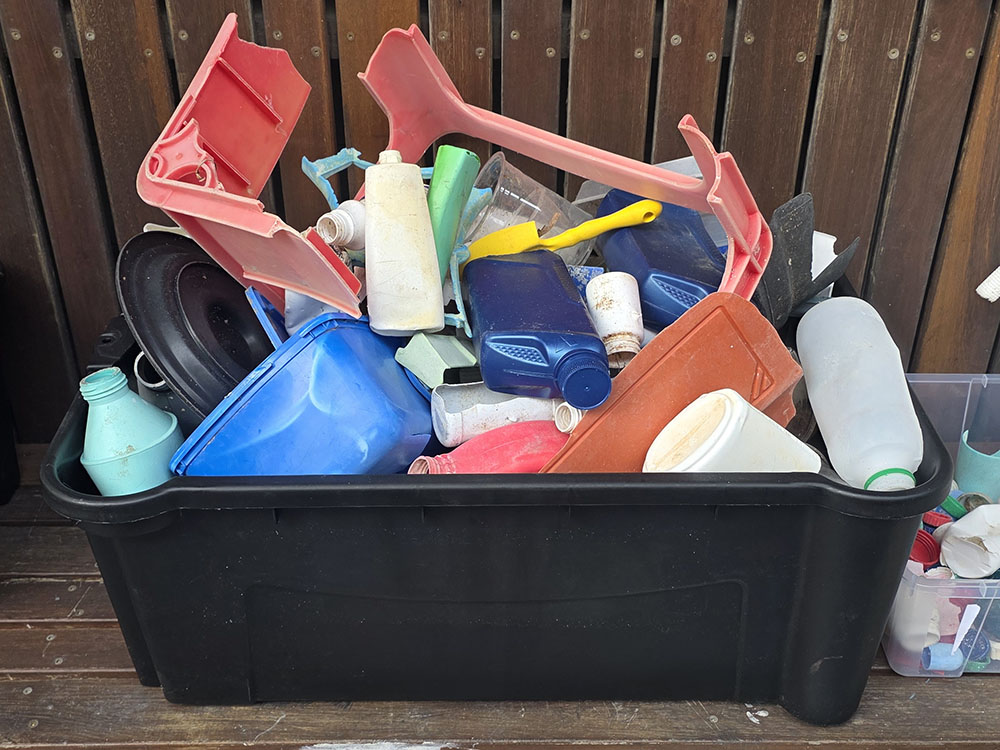
In our program, the ‘Polyolefins’ are collectively called the ‘floaters’, due to the fact that they float. These include Polyethylene and Polypropylene, while the other thermoplastics sink, such as Polyester, nylon, Polystyrene (but not air filled EPS) and PVC. Unfortunately Polyolefins are not that strong, and UV light degrades them, fish nibble on them and generally they break into many small pieces while in the ocean.
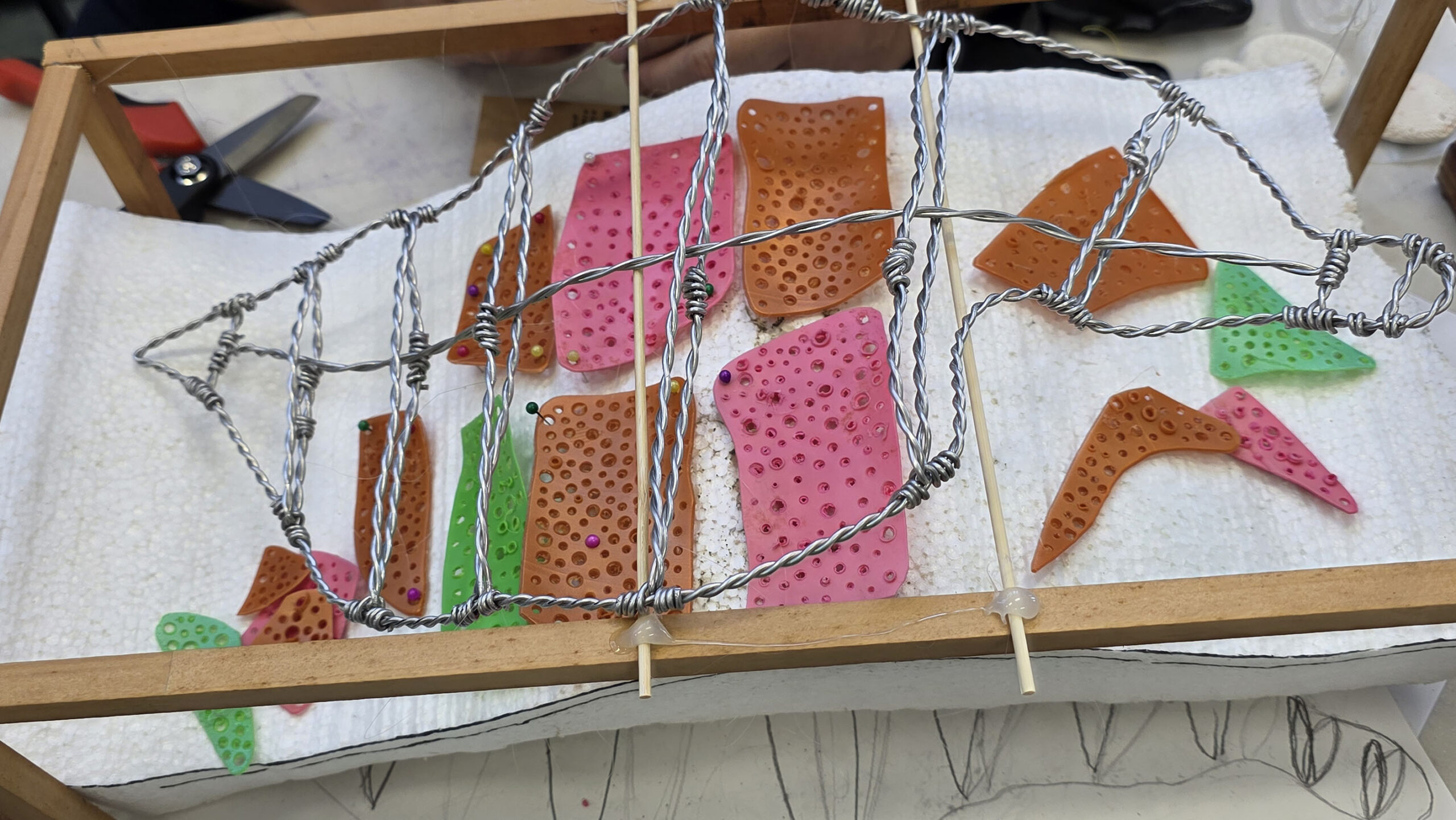
The Polyolefins are a colourful group, found in all sorts of products, oil containers, milk bottles, lids, buckets, chairs, toys, and many other marine debris items. When making artworks, they are a lot of fun and can provide some very interesting options as they are easily remoulded/ heated with the right tools.
Nets & rope: Building on the legacy of ghost net art
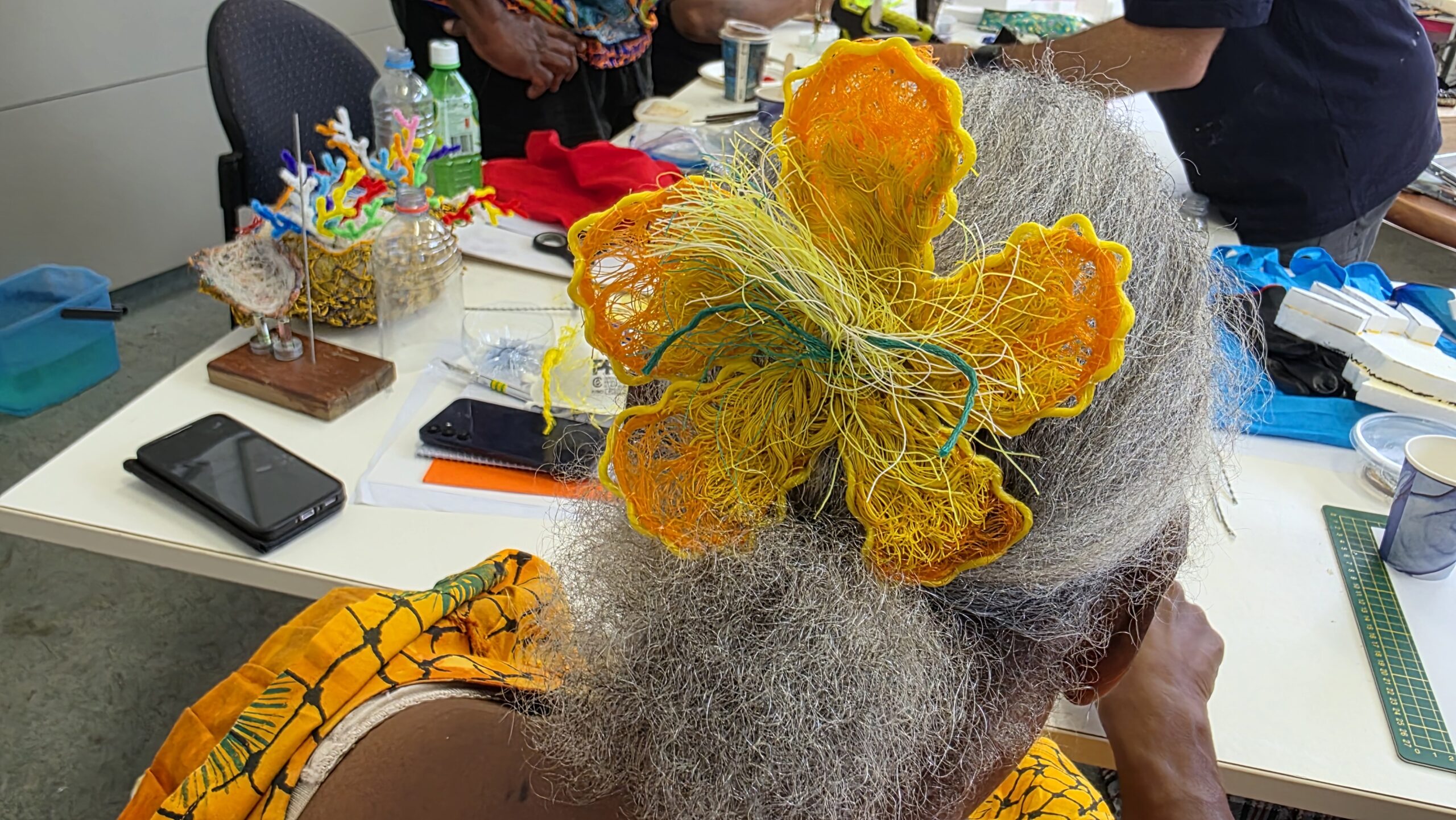
Weaving of ghost nets and ropes was initially introduced to the Torres Straits islands through the fantastic work of Sue Ryan, Lynette Griffith and Marion Gamers (Ghost Net Collective (Ghost Net Arts) over 20 years ago. Since then, various groups including Erub Art, Pormpuraaw Arts and others have developed their own unique styles, with their artworks being displayed in high profile places including museums, art galleries and airports, amongst others.
While fishing nets are generally made from either polyethylene or nylon, ropes on the other hand can be made from the ‘floaters’ polyolefins (polyethylene or polypropylene), polyester, or nylon. Understanding these properties and how to identify them was essential in designing artworks and selecting the most suitable materials.
Feedback from the workshops was that the artists wanted us to stay longer and cover more essential techniques including more processes, photographing artworks, marketing online, developing whole community art projects and exploring entrepreneur development for remote artists. We look forward to returning soon.
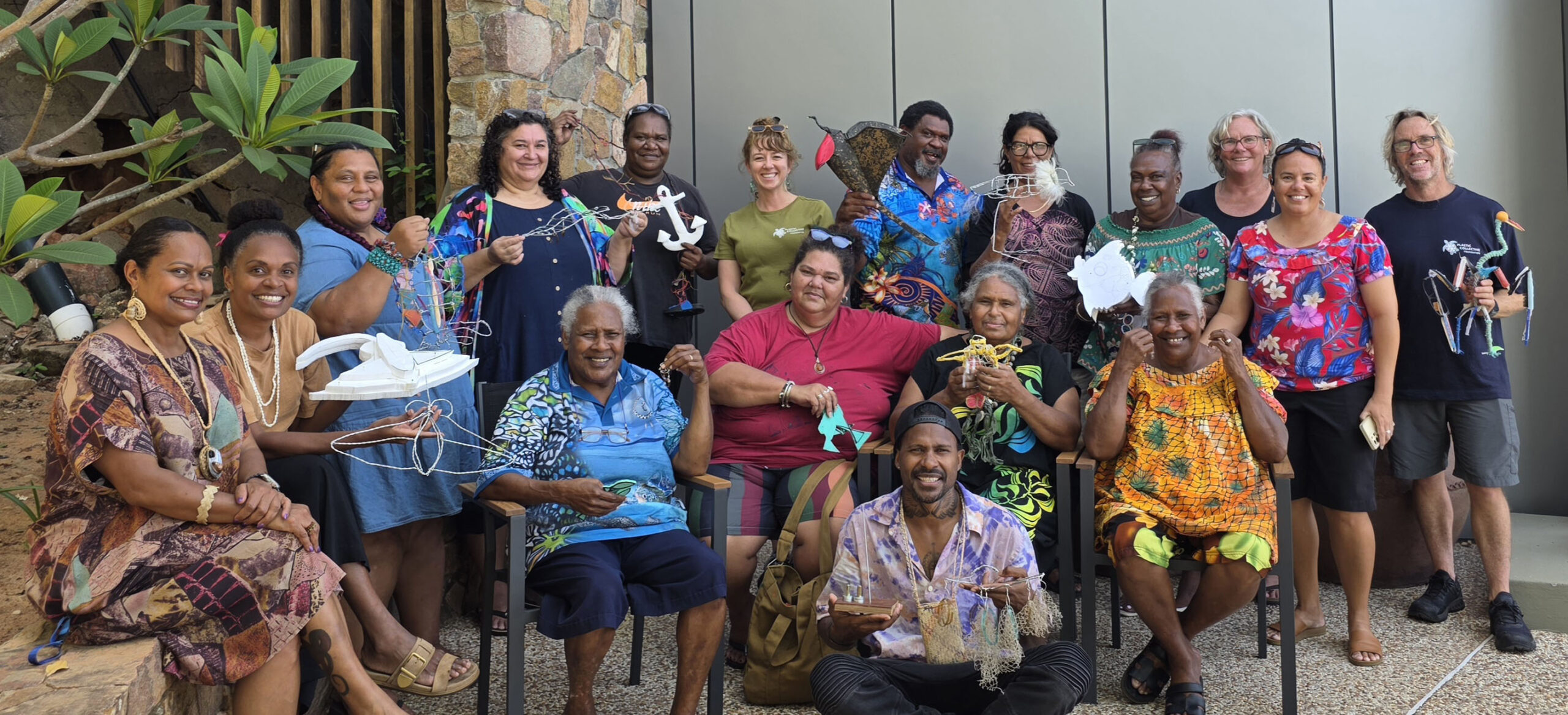
Big eso Zenadth Kes crew !!
If you would like to book a 2026 Turning Tides Workshop, please contact us at louise@plasticcollective.co.
Thankyou.
FAQs
What is the Turning Tides program?
Turning Tides is a creative partnership and mentoring program run by Plastic Collective Foundation. It works with remote coastal and Indigenous communities to transform marine debris and ghost gear into artworks, resources and new economic opportunities.
Where does the Turning Tides workshop take place?
Turning Tides workshops are delivered in remote coastal communities across northern Australia, including the Torres Strait Islands, Tiwi Islands, Arnhem Land and Western Cape York, depending on community interest and need.
What types of marine debris are used in Turning Tides workshops?
The program works with commonly collected marine debris such as ghost nets and ropes, rubber thongs, PET bottles, polyolefins, foam and fishing floats. Materials are sorted by plastic type and properties to maximise reuse and creative potential.
What is ghost gear and why is it a problem in the Torres Strait?
Ghost gear refers to abandoned, lost or discarded fishing gear. In the Torres Strait, ghost gear from foreign and illegal fishing vessels makes up a significant portion of marine debris, posing serious risks to marine life, ecosystems and local communities.
Who is the Turning Tides program designed for?
Turning Tides is designed for artists, makers and community members in remote coastal regions who are dealing with high levels of marine pollution and are interested in creative reuse, cultural storytelling and community-led enterprise development.
Can Turning Tides workshops be booked by other communities?
Yes. Plastic Collective Foundation works with communities, councils and regional organisations to deliver Turning Tides workshops. Availability depends on location, funding and community readiness.
How can we book a Turning Tides workshop for 2026?
To enquire about hosting a Turning Tides workshop in 2026, contact Plastic Collective Foundation at louise@plasticcollective.co.