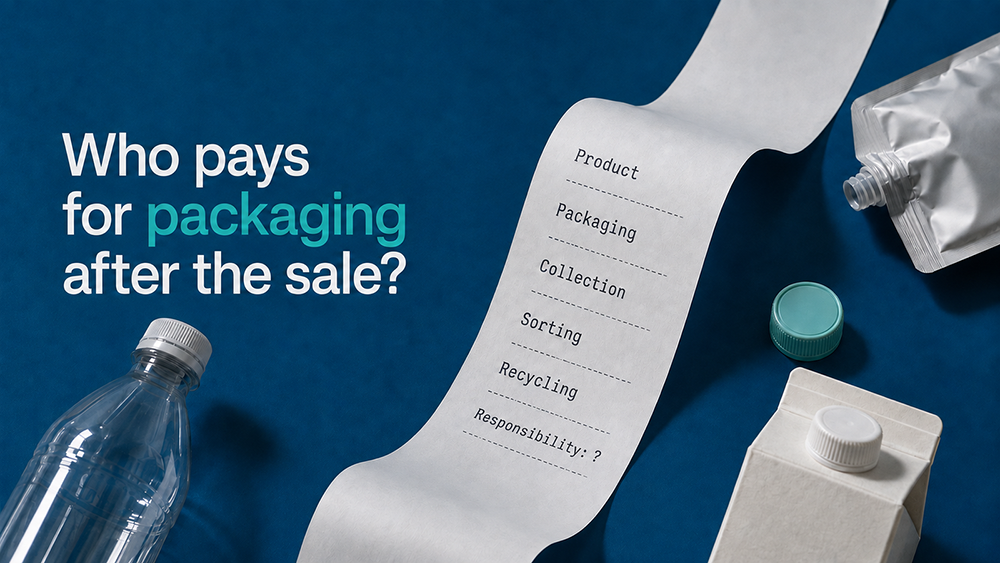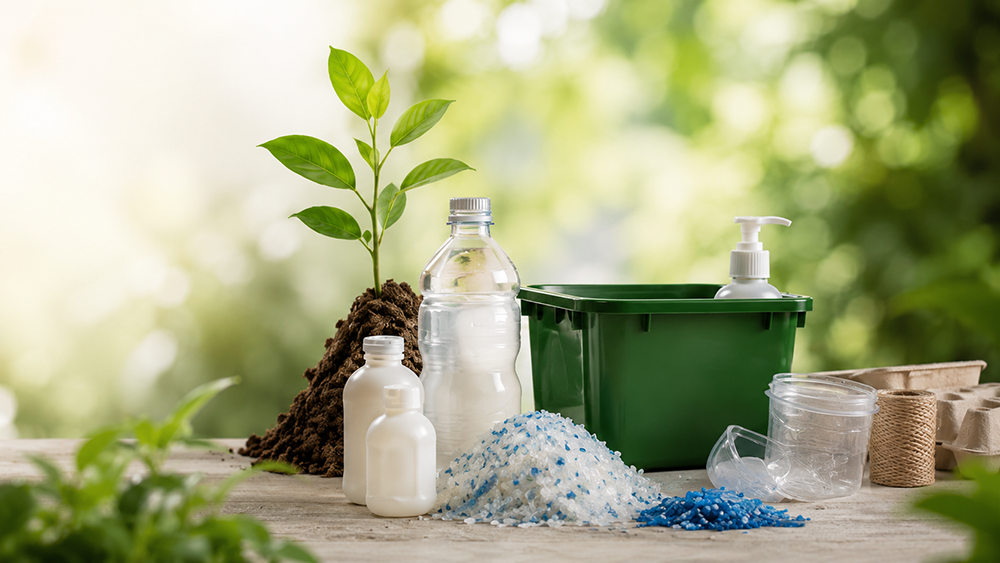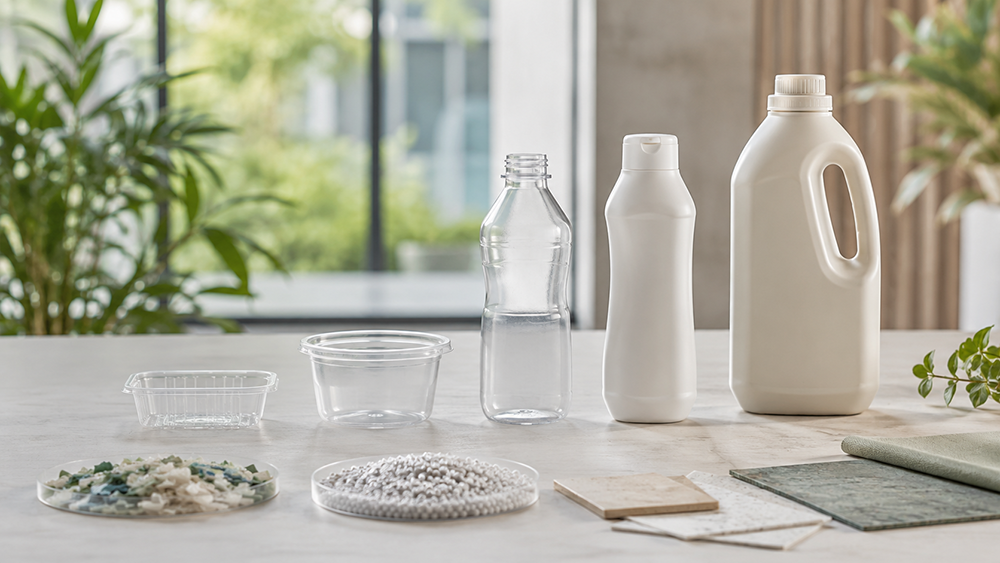


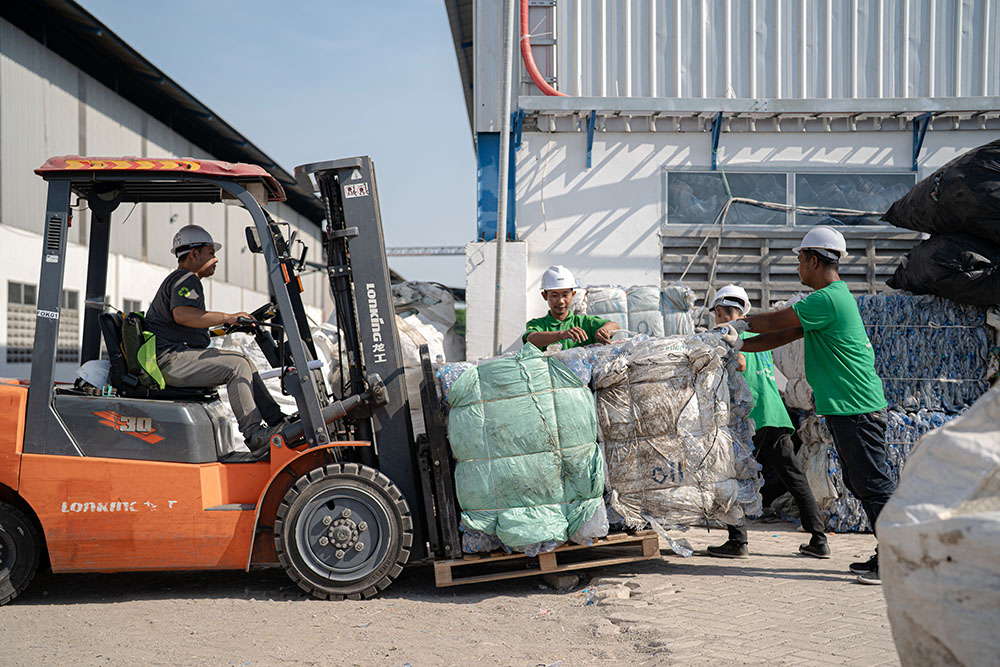
The 2025 EU PPWR (Packaging Waste Regulation) has ushered in a ‘packaging renaissance’, where packaging is being designed for both consumer appeal and recyclability.
For brands selling into the EU, design for recyclability is now a compliance requirement, not a future ambition. Decisions made in 2026 will determine whether packaging can legally remain on the market in 2030 and how much brands will pay in Extended Producer Responsibility (EPR) fees. This is why many companies are now seeking EU PPWR compliance support and packaging recyclability assessments to de-risk their roadmap.
Key EU PPWR milestones to keep in mind (Eunomia, 2025):
- August 2026: PFAS banned in food & beverage packaging
- 2027: Refill and Reuse Targets for takeaway food & beverage packaging.
- Recyclability targets become effective in 2030, which is only 4 years away!
These timelines are driving increased demand for packaging sustainability consulting and design for recyclability reviews across consumer goods brands.
What are the EU PPWR Recyclability Targets?
The EU PPWR has “Design for Recyclability” grades that ratchet up over time. (See Annex II, Tables 1 & 3, for detailed charts).
- By 2030, all packaging must be graded.
- A brand’s EPR fees will be linked directly to recyclability performance.
- Better grades = lower EPR fees (Keller Heckman, 2025)
For many organisations, this has shifted recyclability from a sustainability topic to a packaging compliance and cost-management issue, often requiring external EU packaging compliance services.
How to assess the 2030 Recyclability Grades, in a nutshell (the EU will release more details by 2028)
While the EU will release full technical guidance by 2028, brands can already prepare by understanding the core methodology.
Step 1: Break packaging down by material and format
Separate the packaging components by material type and format (rigid versus flexible). This is the starting point of most design for recyclability consulting processes.
Step 2: Weigh each material
Soon, the EU will release recycling rates for each material that will indicate the ‘recyclability’ of material types. We can already predict the most recycled plastic types, by looking at existing recycling rates.
Step 3: Calculate total recyclability
Add up the percentages of each material type in the packaging.
If the packaging is at least 70% recyclable material, it is Grade C. Any packaging less than 70% recyclable will not be allowed on the market in 2030.
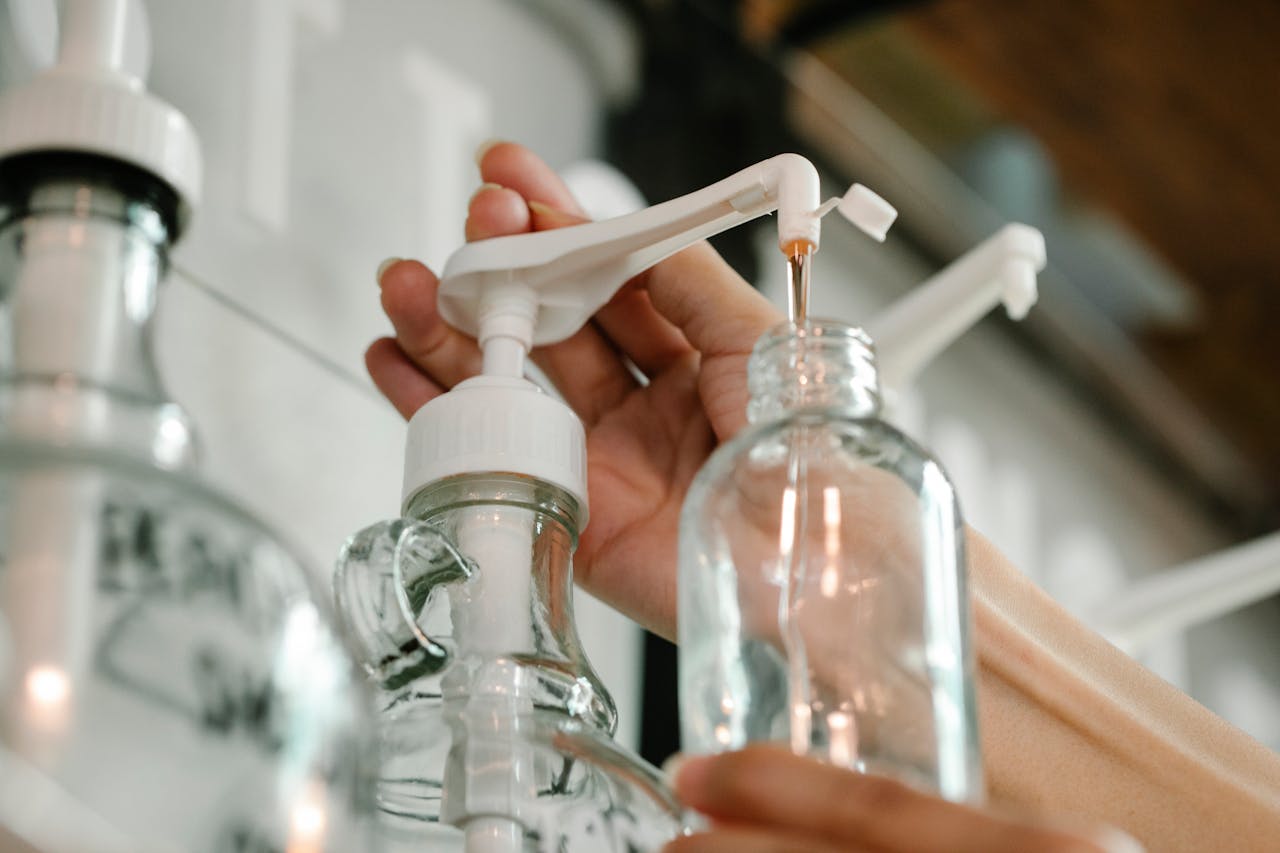
Design for Recyclability Guidelines: What are savvy brands doing in 2026 Q1 & Q2?
Rather than waiting for final guidance, leading brands are already investing in design for recyclability services and acting now.
Common strategies include:
Creating refill & reuse systems
- Concentrates, waterless: rethink your product so it uses less packaging
- Designing reusable packaging: is it durable, easy to clean and refill?
Redesigning packaging to be 100% recyclable (this is Grade A)
- Can the entire package be made of 1 highly-recyclable material?
- Label area – reduce the label size of shrink sleeves
Label and component optimization
- Reducing shrink sleeve label coverage
- Eliminating additives, adhesives, inks, and colorants that interfere with recycling
Some great examples of creative packaging redesign in the Eunomia webinar (Eunomia Design for Recyclability, 2025)
Recycled content requirements in the EU PPWRP
By 2030, packaging must be composed of 10-35% recycled content (Eunomia, 2025). As demand increases, many brands are now prioritising recycled content sourcing and long-term agreements with recyclers as part of their EU packaging compliance strategy.
Our tip: Build relationships with recyclers now to secure early access to recycled materials before demand spikes.
What happens if there aren’t enough recyclers to recycle all the packaging and provide recycled content?
A growing concern is whether Europe’s recycling infrastructure will be able to process all compliant packaging, and supply enough recycled material to meet demand.
Forward-thinking consumer goods brands are responding by supporting recycling infrastructure today, using plastic credits to strengthen recycler economics and capacity, and securing future access to recycled materials ahead of market shortages.
How Plastic Collective supports brands preparing for EU PPWR
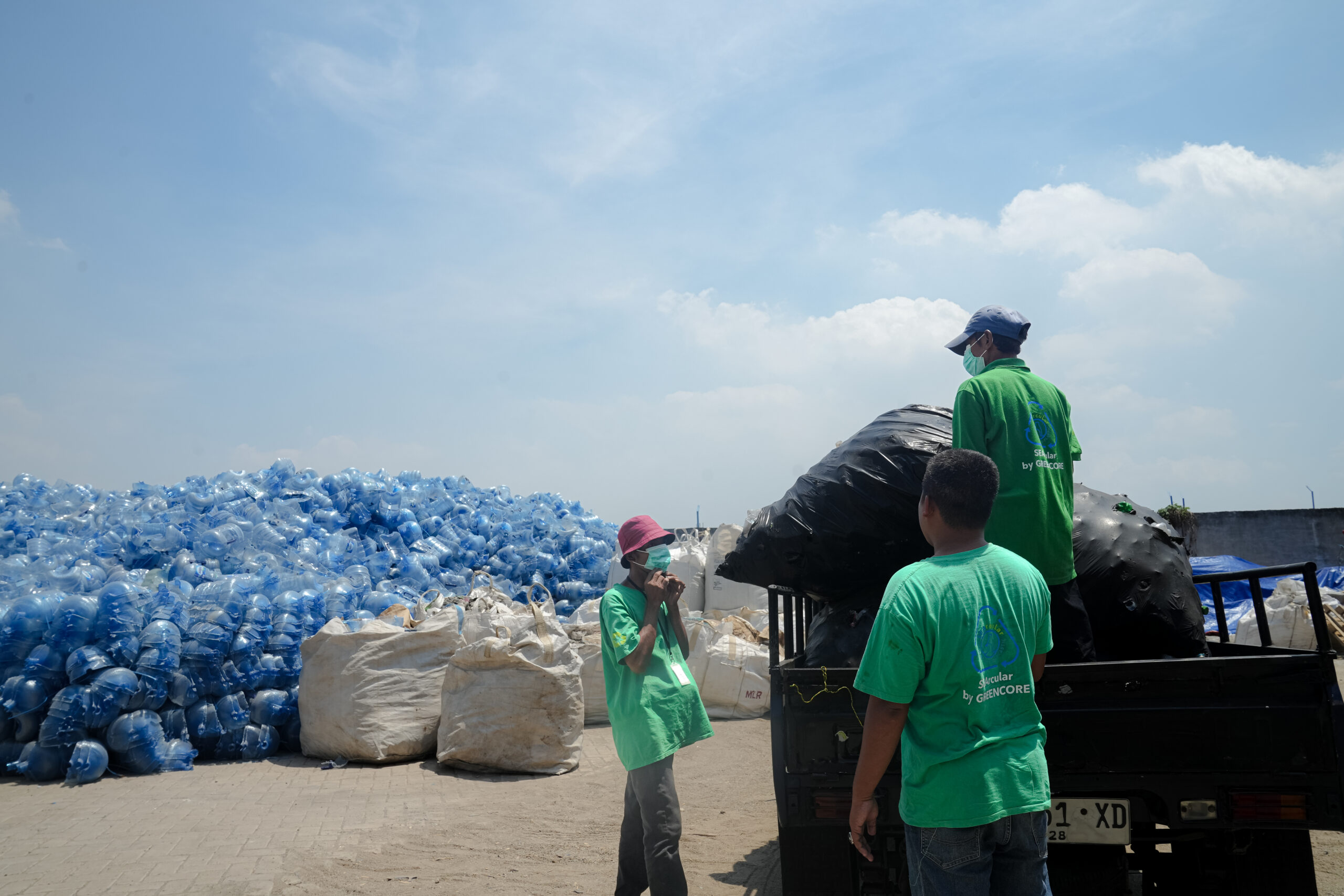
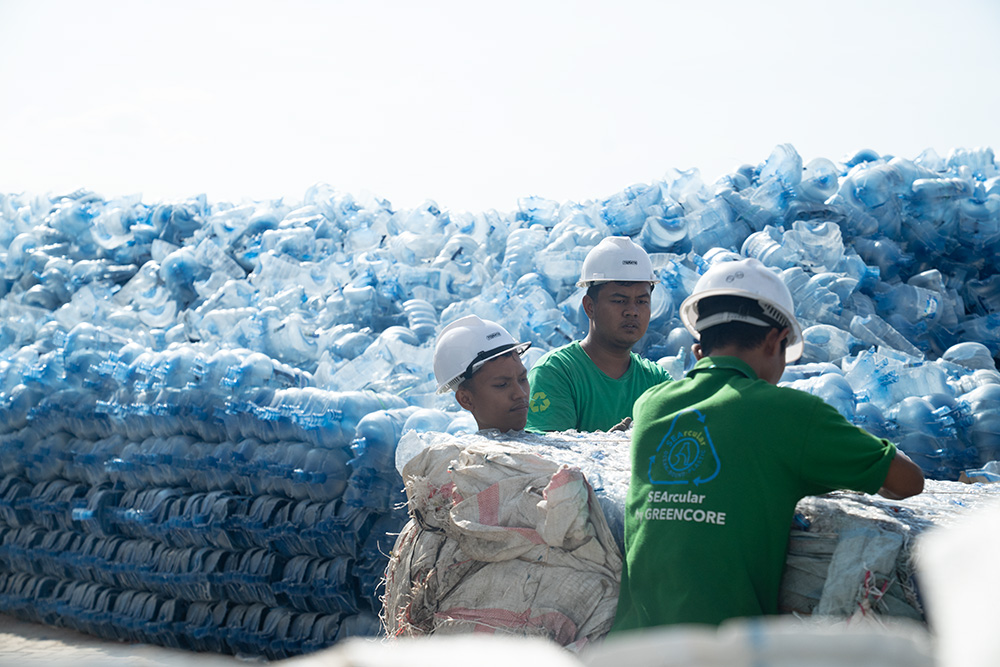
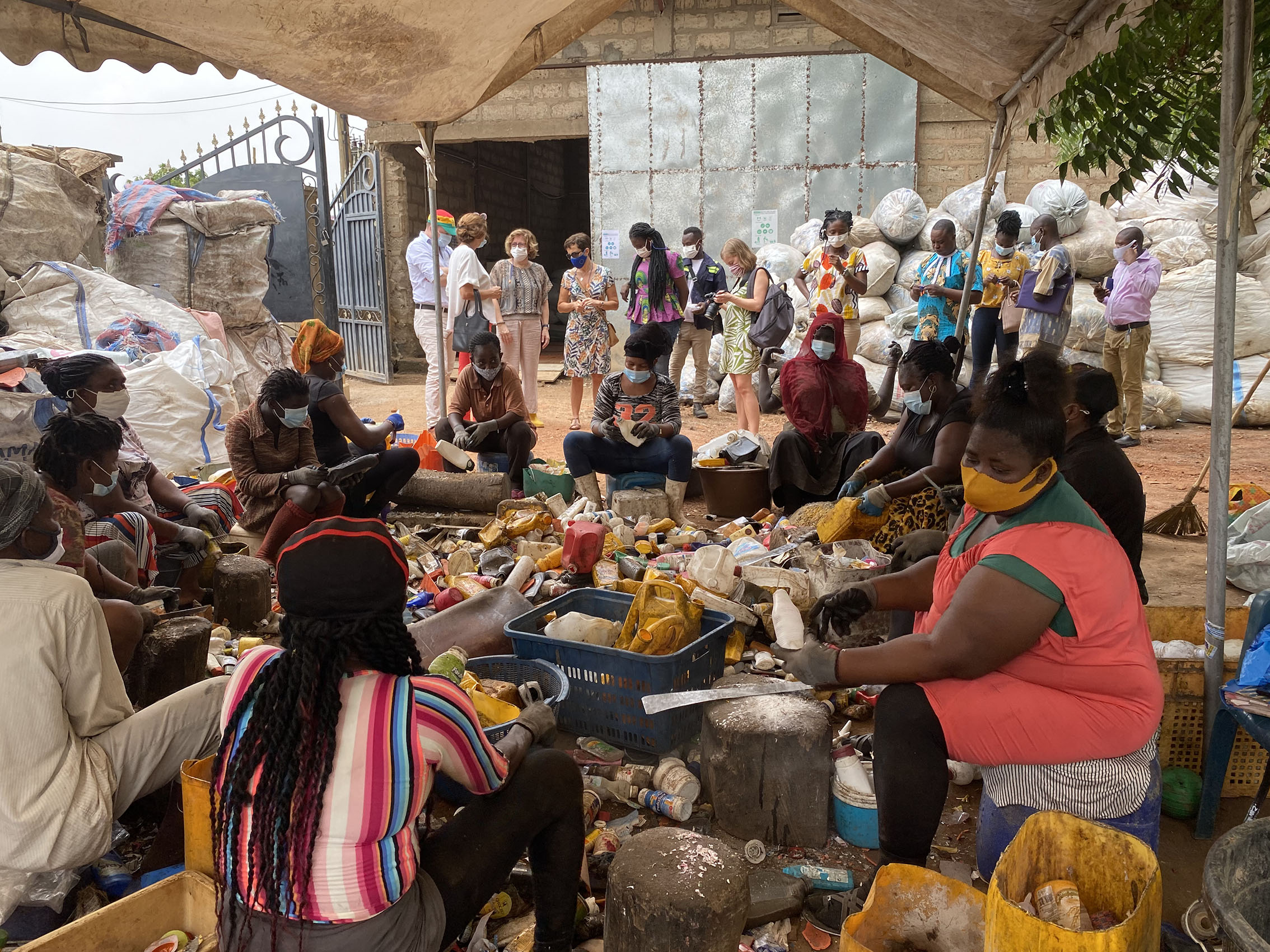
Plastic Collective provides EU PPWR compliance support by working directly with plastic recyclers in Ghana (ASASE Foundation) and Indonesia (Greencore).
Your brand can support these recyclers’ new recycling infrastructure today, by purchasing plastic credits.
- Plastic credits help recyclers become economically competitive and stable, so they can compete with low virgin plastic prices.
- This comes with our media pack and marketing materials, so you can promote your brand’s sustainability efforts.
Plastic Collective can also help your brand meet with our recyclers and set up agreements to purchase physical recycled material for your recycled content needs.
Book a Packaging Recyclability Review for 2026
Design for recyclability is a 2026 priority:
Book a packaging review with Plastic Collective to:
- Assess your current EU PPWR readiness
- Identify packaging redesign opportunities
- Reduce future EPR fees and compliance risk
Start 2026 ahead of the game and design packaging that works for both the planet and your bottom line.