Empowering communities to turn plastic into opportunity
From remote shorelines to bustling cities, we partner with local leaders and purpose-driven brands to build recovery systems that restore ecosystems and livelihoods.
“Solving plastic pollution isn’t just about collection. It’s about empowering people with knowledge, tools, and systems to turn plastic into progress.”
- Louise Hardman, Founder
One woman’s mission became a global movement
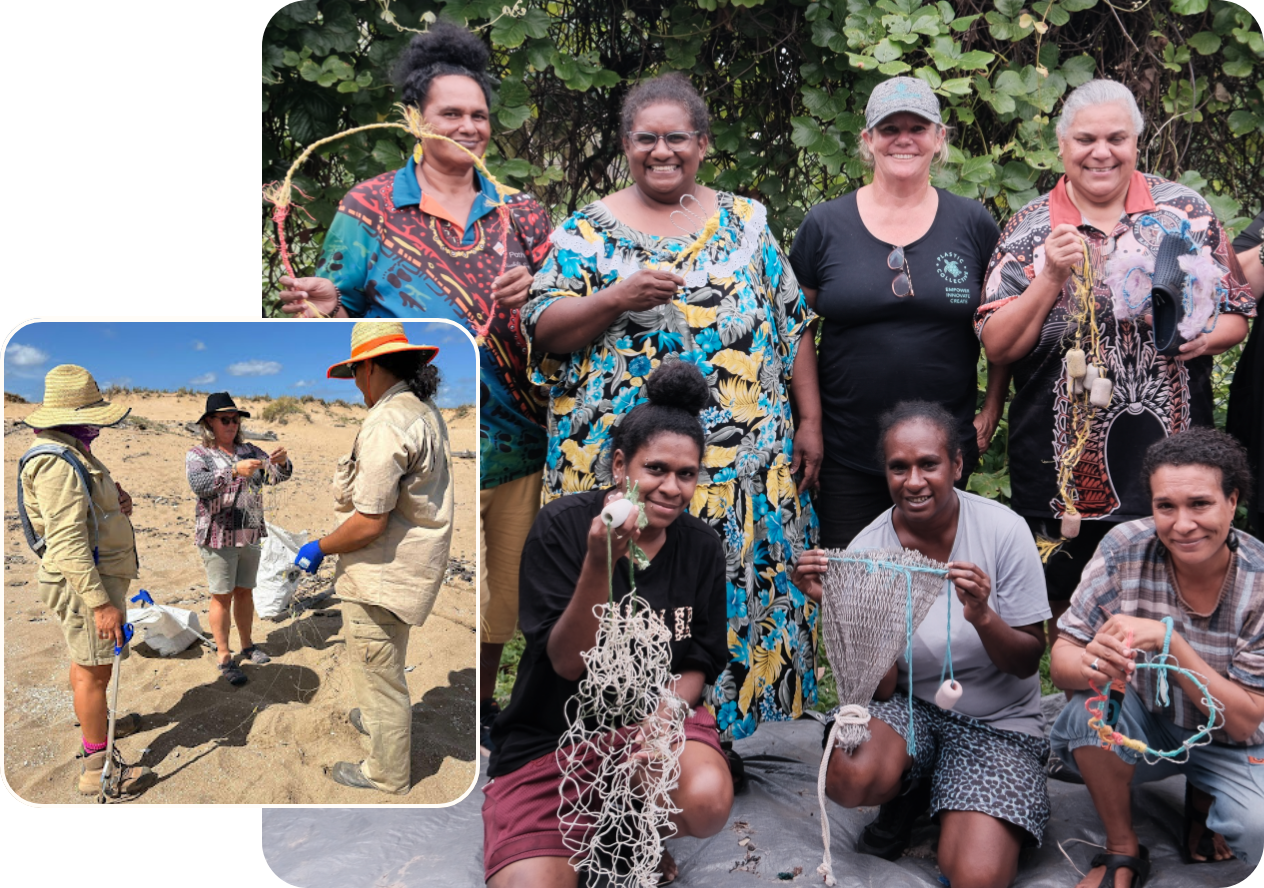
In 1991, marine educator Louise Hardman encountered a small green turtle dying from ingesting plastic while leading a turtle tagging program in Australia. That moment changed her life.
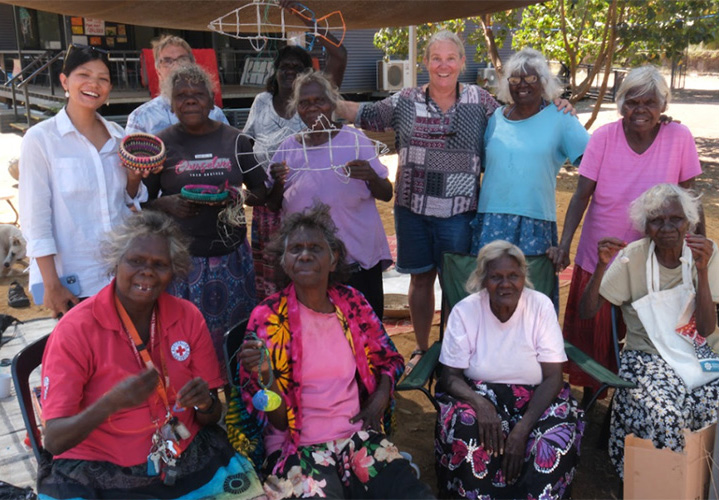
She witnessed how plastic waste devastated marine life and communities for years, especially in underserved areas without recovery systems. Determined to act, Louise began working at the grassroots: inventing a mobile recycling machine and launching hands-on workshops to teach communities how to turn waste into value.
As she listened and learned alongside local leaders, one truth became clear: plastic itself wasn’t the problem; the knowledge gap was.
In 2016, she founded Plastic Collective to close that gap. Today, we connect community partners, plastic waste organizations, and global brands to build certified plastic recovery systems that restore ecosystems, regenerate local economies, and create verified social and environmental impact.
Our journey to global impact
1991
Louise finds green turtle and commits to stop plastic entering oceans
2015
Founds Plastic Collective for profit social impact
2016
Develops the Shruder Recycling Machine
2017
Secures Coca Cola as launch partner
2017
Launches first Plastic Neutral Program with Plastic Credits
2018
Sells world's first Plastic Credits to TK Maxx
2019
Awarded Coca Cola flagship partner in Gulf of Carpentaria
2020
Awarded $5M Aus. Gov Technology Development Grant
2020
Awarded PMI partnership to develop project in rural Indonesia
2020
Louise nominated NSW Local Hero - Australian of the year
2021
Steve joins Verra Plastic Standard Advisory Board, and forms the Plastic Collective UK.
2024
Plastic Collective attracts landmark fundraising to tackle plastic pollution, through a sustainable development outcome bond, issued by The World Bank
2025
The Plastic Collective Foundation
Why we exist
Plastic pollution isn’t just an environmental issue. It’s a justice issue.
Our mission is to stop plastic pollution by building ethical recovery systems that support the people most affected by it—waste-pickers, remote communities, and underserved regions where plastic leakage is highest.
We believe that real impact begins with people. That’s why every project we support integrates education, access to tools, traceable systems, and long-term partnerships. Our work not only reduces plastic pollution but turns the material into opportunity and empowers communities to lead lasting, measurable change.
Enabling communities to lead lasting change
Plastic pollution can’t be solved by collection alone. It requires education, partnerships, tools, and verified systems. That’s why we work with grassroots leaders, plastic waste organizations and purpose-driven brands too.
Empower
Train local teams in plastic recovery, safety, and entrepreneurship Support women, youth, and Indigenous leaders to lead change in their communities
Innovate
Provide access to mobile recycling tools and waste education programs Help build systems that work in remote, underserved, or high-risk regions
Create
Develop traceable, third-party verified recovery systems Connect brands with community-led action to generate meaningful, measurable impact
Local action, global impact
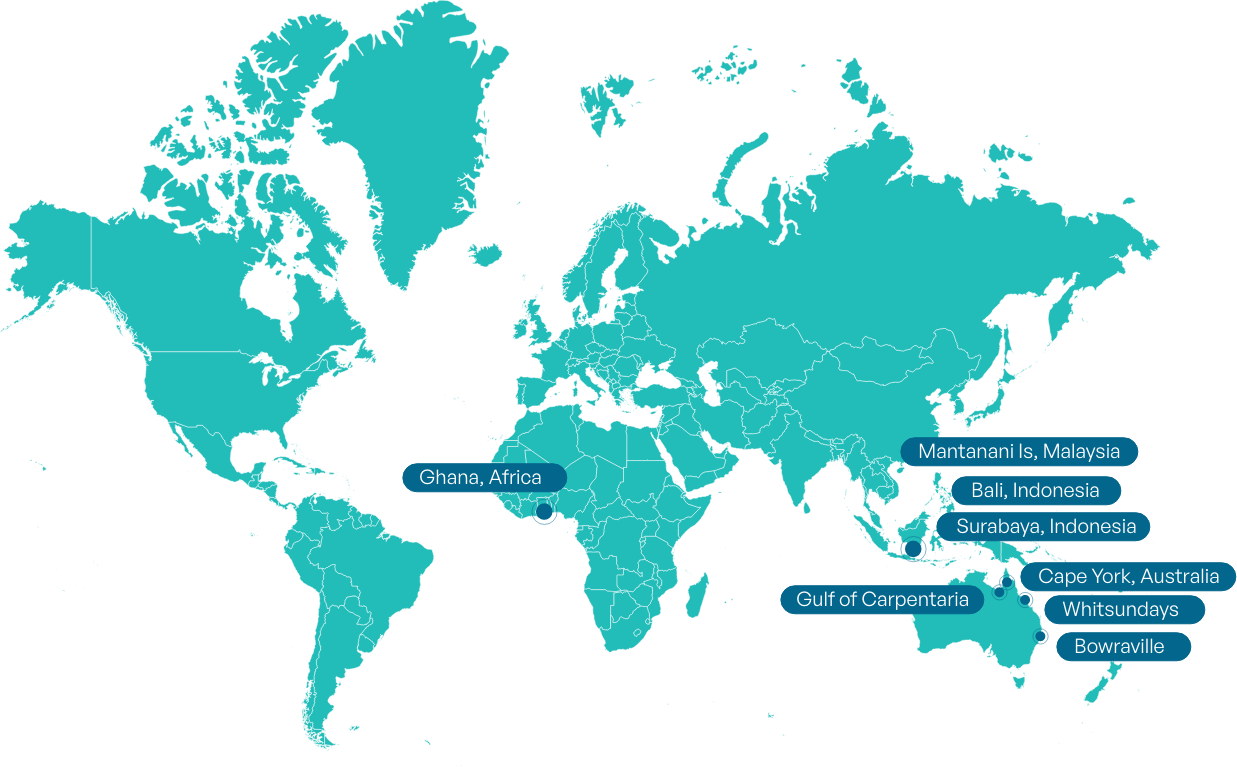
Since 2016, Plastic Collective has supported recovery programs across Asia-Pacific and Africa. Together, we are:
- On track to recover 250 million kg of plastic over 10 years
- Backed by World Bank–supported projects across emerging markets
- Focused on regions where plastic leakage into nature is most extreme
- Empowering community-led microhubs and protecting biodiversity
Women rising with every kilo recovered
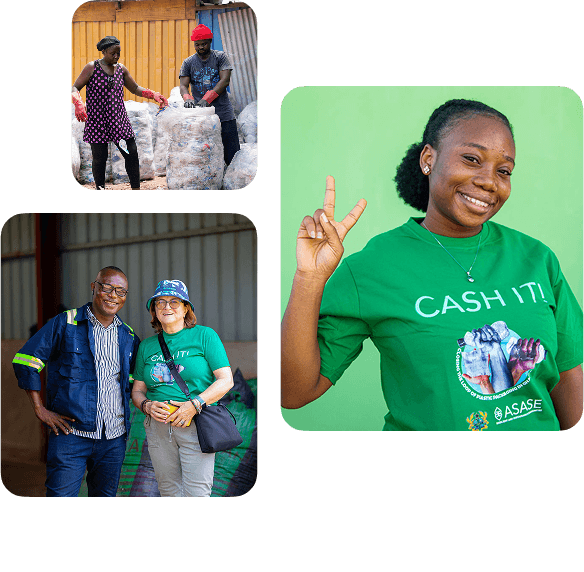
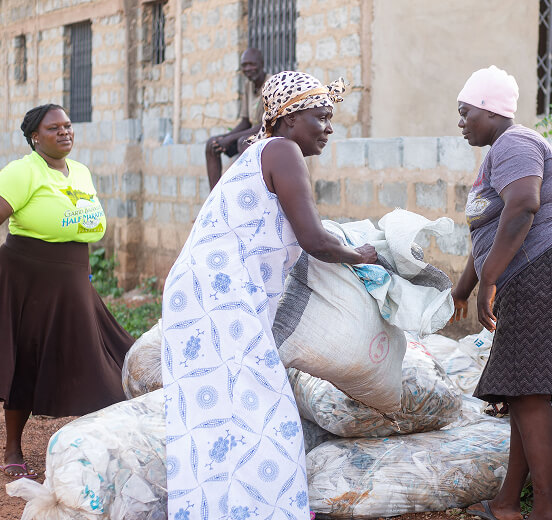
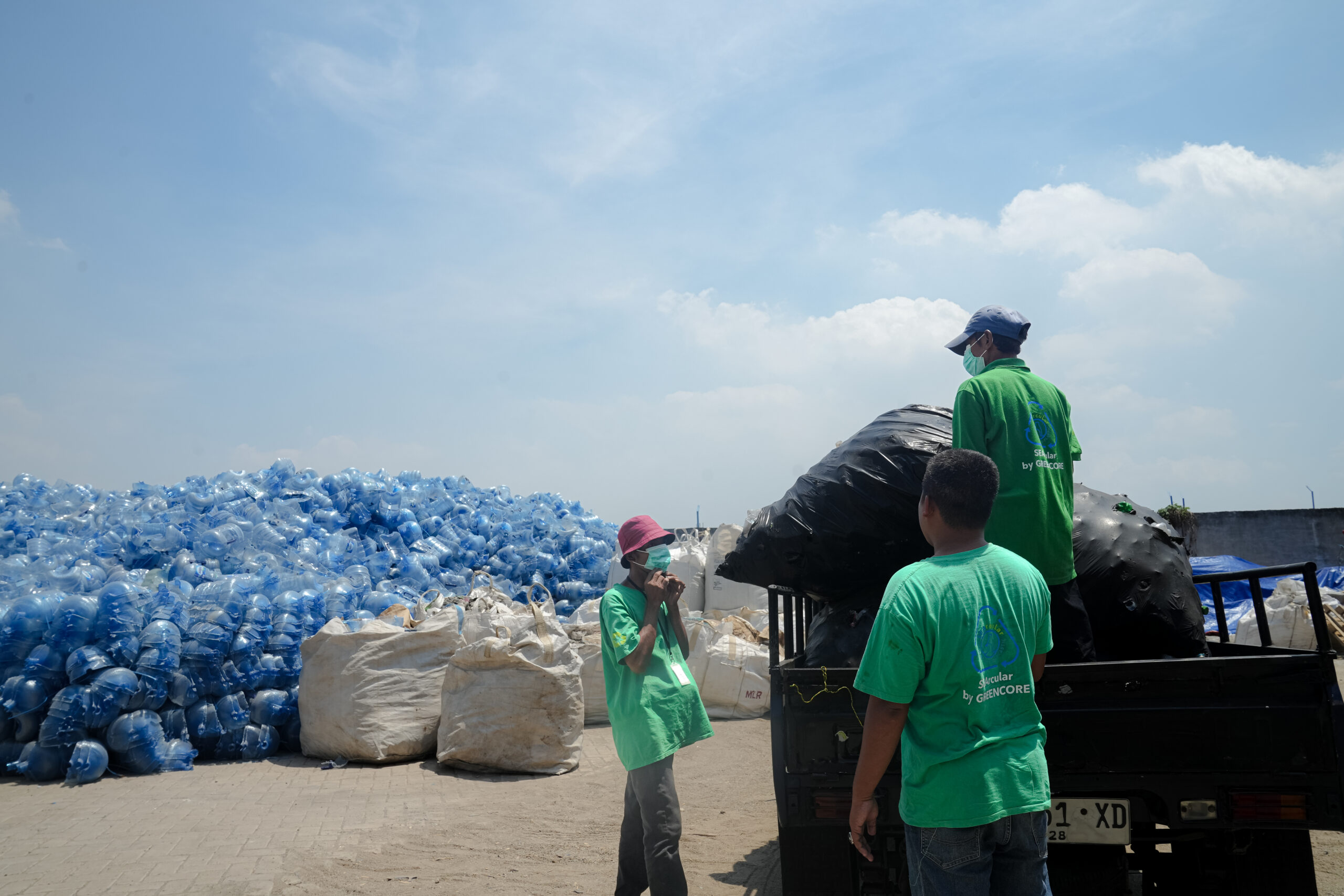
In Accra, Ghana, women waste-pickers, once pushed to the margins, are now leading a movement. Through the ASASE Foundation, they’ve built a circular economy that transforms plastic waste into income, dignity, and opportunity.
With the support of Plastic Collective, ASASE became one of the first African projects to be certified under the Verra Plastic Waste Reduction Standard. We helped enable funding through a World Bank-linked plastic waste bond and introduced digital traceability to verify every contribution.
Today, ASASE is a model for community-driven change, led by women who are cleaning their cities, educating youth, and designing their own future.
Certified, traceable impact you can trust
Every project meets the world’s most rigorous standards for plastic recovery and social safeguards.
Small crew, big change
We’re a lean global team driven by purpose and family. Founded and led by the Hardman siblings, we keep overheads low so more goes to the communities creating real impact.
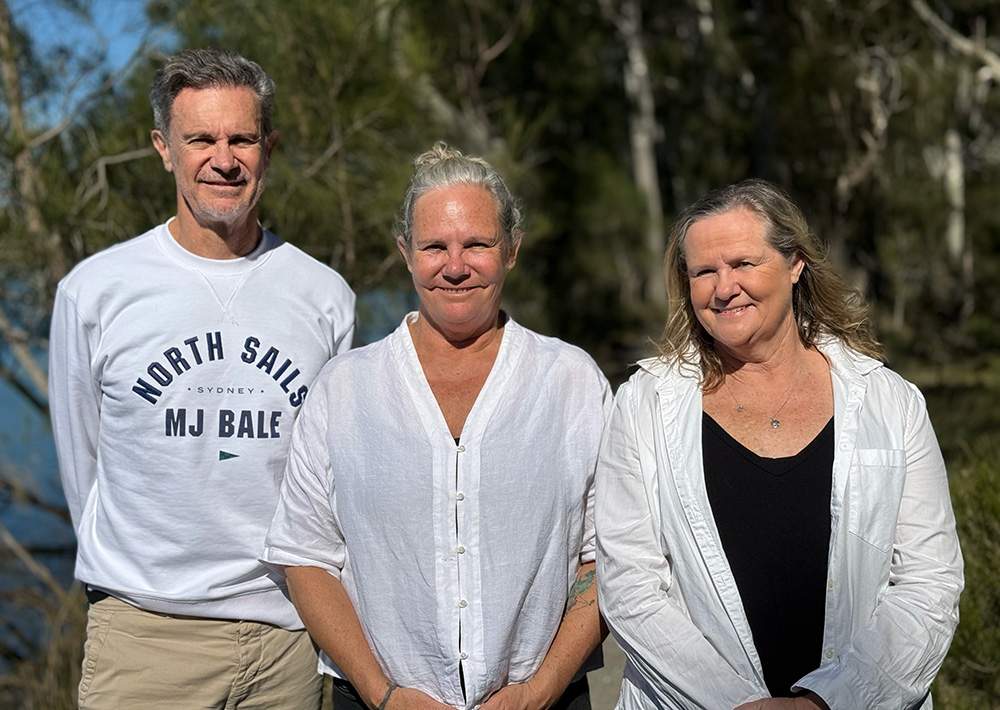
Siblings - Steve Hardman (CEO - Plastic Collective, UK) , Louise Hardman (Founder/ CEO - Plastic Collective, Australia), Dianne Hardman (Operations Manager)
A social hybrid model
Plastic Collective Foundation works in close collaboration with Plastic Collective (Pacific Collective Pty Ltd), founded in 2016 by Louise Hardman and her siblings, Steve and Dianne.
Together, we operate as a social hybrid model.
This model allows grassroots action and global responsibility to move forward together without compromising community leadership or dignity.
Latest Posts
A diver, a village, and a tide that needed turning
Garri Bernel did not set out to become a community leader. He was a scuba diver. A lawyer. A Filipino
What plastic credit auditors look for: A guide for compliance leads
As a Compliance Manager, it’s helpful to know what third-party auditors check during an actual on-site audit. When you’re deciding
Global Recycling Day 2026: What will we recycle if nothing is recovered?
We celebrate recycling like it’s a given. We talk about it as a system that simply exists. Something reliable and
There is no circular economy without her: The role of women in waste management
At 6am, before most offices switch on their lights, she is already working. If she has gloves, she wears them.
How to choose a producer responsibility organization (PRO) in 2026
Raise your hand if you’re a brand that sells consumer packaged goods! 🙋🏽♀️ Depending on where your market is, Extended
UK EPR deadlines 2026: Key dates, reporting rules and compliance risks
If you’re a brand in the UK and you use packaging, the new UK extended producer responsibility (UK EPR) regulations