

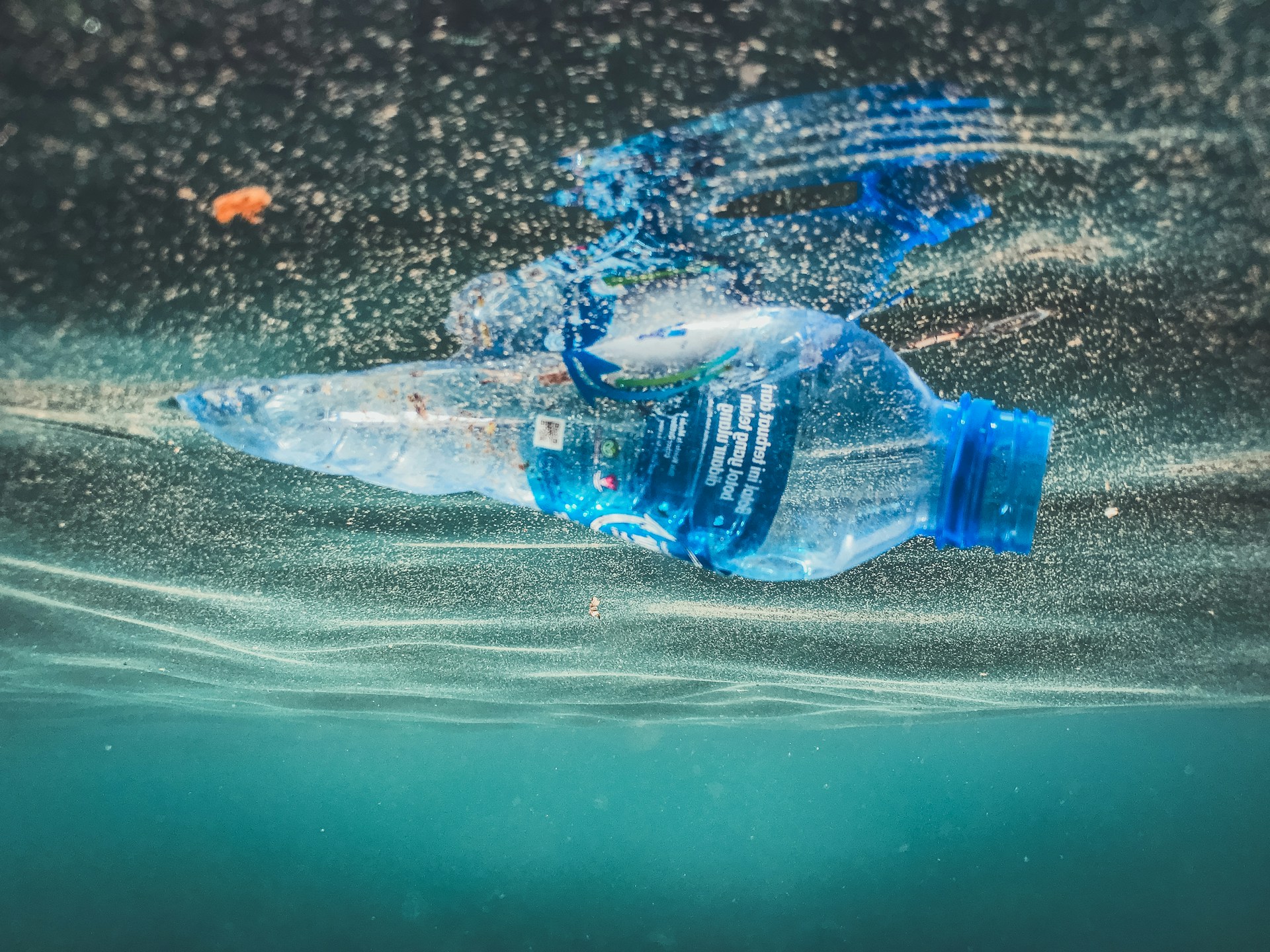
Photo by Naja Bertolt Jensen on Unsplash
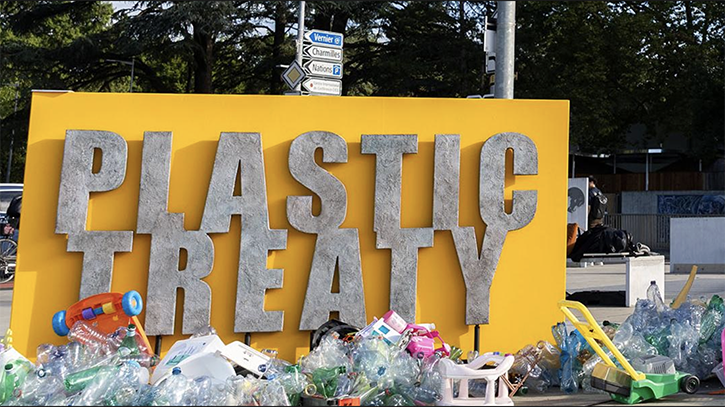
The Global Plastics Treaty was expected to establish a shared global framework for addressing plastic pollution and reshaping packaging compliance worldwide. Negotiations are still ongoing.
Plastic production and waste generation, however, have not slowed.
If your brand is reviewing its packaging strategy in light of emerging regulation, now is the time to act. Contact our team to explore how recovery partnerships can support your compliance goals today.
What is the Global Plastics Treaty?
The Global Plastics Treaty is a United Nations–led agreement currently being negotiated by more than 175 countries under the UN Environment Programme (UNEP). The objective is to create legally binding measures that address the full lifecycle of plastics, from production and packaging design to waste management and recovery.
In March 2022, the UN Environment Assembly adopted a resolution to develop an international legally binding instrument to end plastic pollution.
The scale of the issue explains the urgency. According to the OECD, global plastic production reached 460 million tonnes in 2019, double the volume recorded in 2000, while only 9% of plastic waste is recycled.1
The treaty is expected to influence:
- Packaging material standards
- Extended producer responsibility (EPR) frameworks
- Plastic reporting and traceability requirements
- Recyclability and design criteria
- Global recovery infrastructure funding
However, reaching consensus across diverse economies takes time.
Plastic does not pause while policy catches up.
Why this matters for packaging and compliance
The delay of the Global Plastics Treaty does not mean regulatory momentum has slowed. In many regions, packaging regulation is accelerating independently of global alignment.
The European Union’s Packaging and Packaging Waste Regulation (PPWR) is advancing stricter recyclability requirements. National plastic taxes and EPR schemes are expanding. Disclosure expectations are increasing.
At the same time, plastic leakage continues. The UN estimates that approximately 11 million tonnes of plastic enter aquatic ecosystems every year. This figure is projected to nearly triple by 2040 without intervention.2
For brands, this creates three immediate realities:
Regulation is evolving, even without a finalized treaty.
Packaging compliance expectations are tightening regionally.
Responsibility is shifting upstream.
Producers are increasingly accountable for the full lifecycle of their packaging materials.
Infrastructure gaps remain significant.
The World Bank estimates that at least 33% of global waste is not managed in an environmentally safe manner.3
The constraint is not awareness. It is infrastructure and participation.
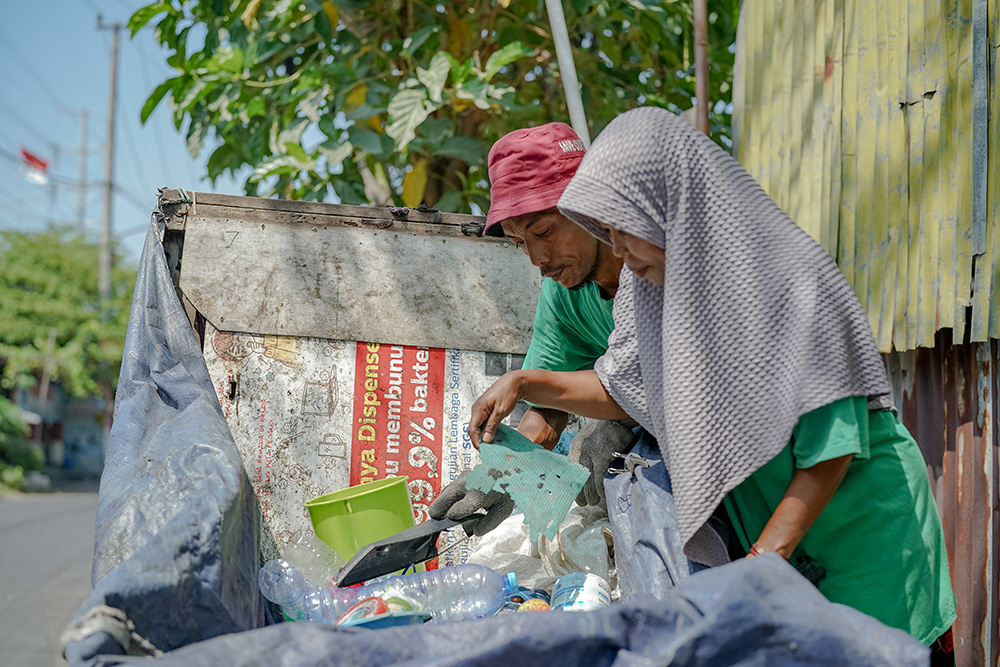
How recovery systems work alongside global policy
While negotiations continue, plastic recovery systems are already operating in high-leakage regions. Collection networks, sorting facilities, and processing infrastructure exist. Verification and traceability frameworks are in place.
These systems intercept plastic before it enters waterways and coastlines. They convert unmanaged waste into measurable recovery outcomes.
One way brands are choosing to participate now is through verified recovery models such as Buy One, Remove One, where an equivalent volume of plastic is collected and processed for every product sold. These programs do not replace long-term regulatory reform. They reinforce existing recovery infrastructure in regions most affected by leakage, while providing traceable recovery data aligned with emerging packaging compliance expectations.
The Global Plastics Treaty aims to standardize and scale mechanisms like these. But the systems themselves are not theoretical. They are already functioning.
Participation determines how far they expand.
The opportunity for brands is immediate
Plastic exists because it delivers performance, durability, and cost efficiency. But its lifecycle does not end at the point of sale.
Supporting recovery infrastructure is not speculative action taken ahead of regulation. It is participation in systems that are already reducing leakage today.
When the Global Plastics Treaty is finalized, it will bring alignment, structure, and shared accountability. Packaging compliance frameworks will become more harmonized.
Brands that engage now will not be reacting to regulation. They will already be operating within the direction policy is moving.
The treaty will come. The work is already underway.
If your organization is preparing for evolving packaging regulation or assessing how to align with the Global Plastics Treaty, contact us to explore recovery partnerships that strengthen both environmental impact and compliance readiness.
FAQs
What is the purpose of the Global Plastics Treaty?
The Global Plastics Treaty aims to create a legally binding international agreement addressing plastic pollution across the entire lifecycle of plastics, including packaging production, design, waste management, and recovery.
When will the Global Plastics Treaty be finalized?
Negotiations are ongoing. While a final timeline has not been confirmed, participating countries continue to meet through UN-led Intergovernmental Negotiating Committee (INC) sessions to establish the framework.
How will the Global Plastics Treaty affect packaging compliance?
The treaty is expected to influence packaging design standards, reporting requirements, recyclability criteria, and extended producer responsibility obligations. Even before finalization, many regions are strengthening packaging regulations independently.
Should brands wait for the treaty before taking action?
Waiting may increase regulatory risk. Recovery systems and packaging compliance strategies can be implemented now, positioning brands ahead of evolving global plastic regulations.
Sources:
- “OECD Global Plastics Outlook,” OECD, https://www.oecd.org/environment/plastics/
- “From Pollution to Solution: A global assessment of marine litter and plastic pollution,” UNEP, October 21, 2021, https://www.unep.org/resources/pollution-solution-global-assessment-marine-litter-and-plastic-pollution
- “What a Waste: A Global Snapshot of Solid Waste Management to 2050,” The World Bank, https://datatopics.worldbank.org/what-a-waste/