


In any conversation about sustainable packaging or extended producer responsibility (EPR), clarity is essential: plastic recovery is not a compliance mechanism. It does not reduce regulatory obligations or satisfy requirements under the PPWR.
Yet this is exactly what makes it increasingly relevant.
A growing number of brands now see plastic recovery not as a regulatory workaround, but as a proactive response to a global plastic waste crisis that regulation alone cannot solve. What’s driving this shift has less to do with packaging formats, and far more to do with the realities unfolding beyond corporate boundaries.
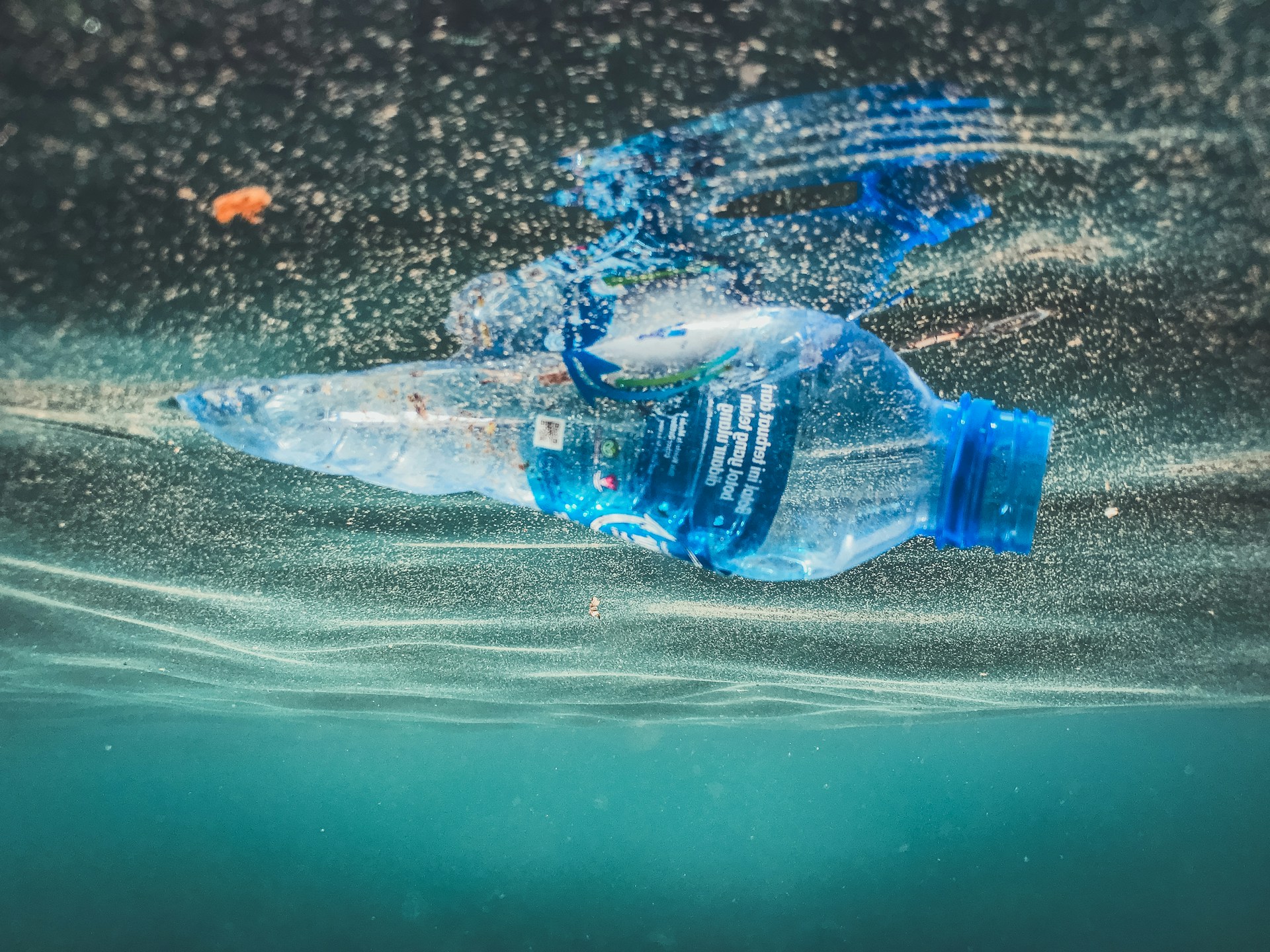
The scale of the plastic waste crisis
The plastic pollution crisis is expanding at a pace no industry can ignore:
- There are now more microplastic particles in the ocean than stars in the Milky Way (Greenpeace analysis).
- 11 million tonnes of plastic enter the ocean annually, expected to triple by 2040 without systemic change (Pew, Breaking the Plastic Wave).
- 80%+ of ocean-bound plastic originates in regions with minimal waste infrastructure.
- Microplastics have been found in human blood, lungs, placentas, and breast milk, signalling a new frontier of exposure.
These figures are not abstract. They are shaping investor expectations, public sentiment, and the direction of future regulation.
For brands, navigating this landscape is no longer about material selection alone. It is about demonstrating responsibility in a global system under visible stress.
Why plastic recovery matters more than ever
Because plastic recovery is not a compliance mechanism, it occupies a unique strategic space.
It allows brands to:
- Contribute to global solutions that governments have not yet adequately resourced
- Address leakage in high-risk regions
- Engage with a crisis that impacts ecosystems, communities, and long-term health
- Demonstrate values, not just obligations
Plastic recovery acknowledges a reality: the plastic crisis is a systems problem, and systems problems require interventions across the entire value chain.
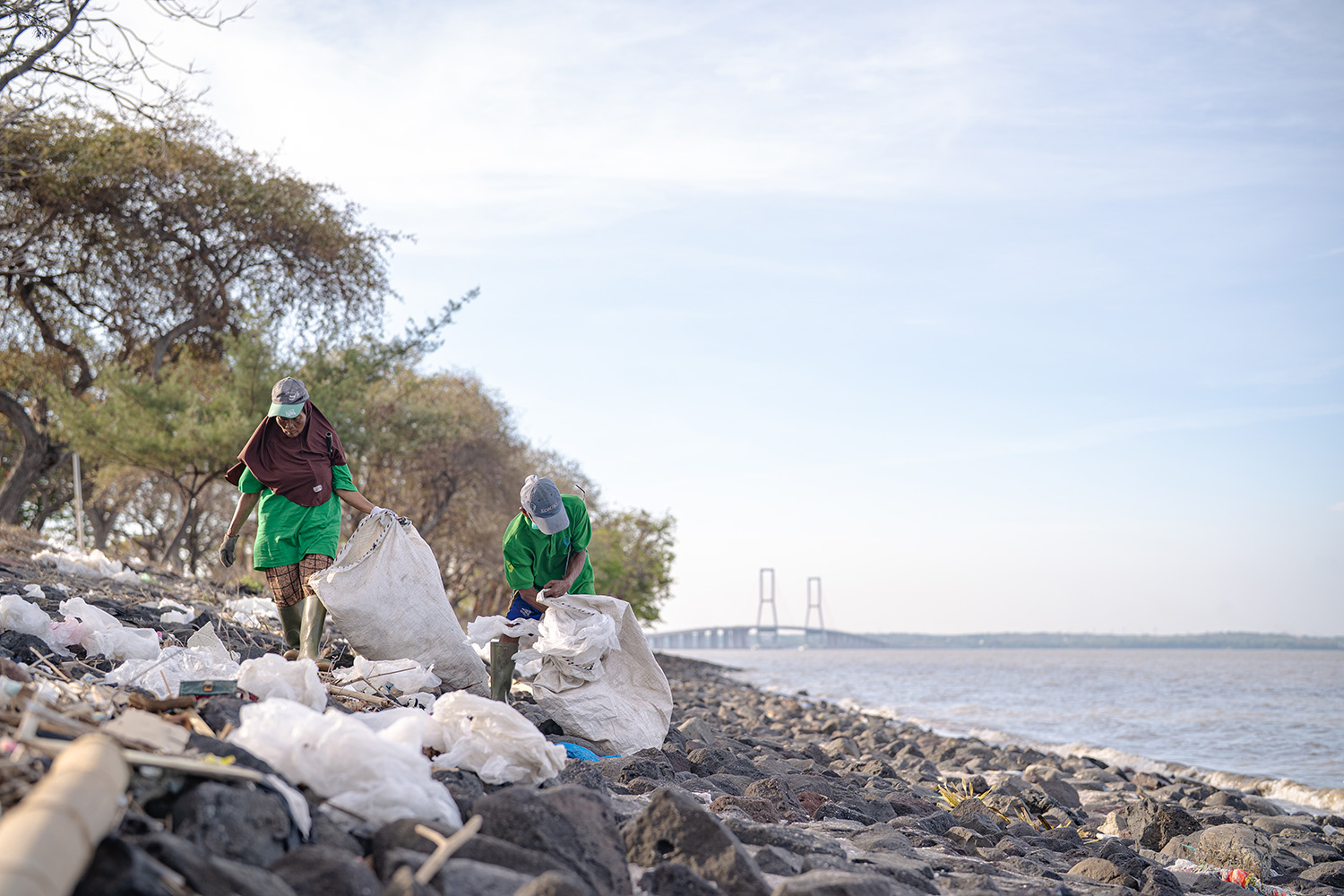
Explore how Plastic Collective designs high-impact plastic recovery projects in high-leakage regions.
Voluntary action as a marker of corporate leadership
A notable shift is taking place across consumer-facing industries. Voluntary sustainability action is becoming a clearer indicator of leadership than compliance. Compliance is the floor. Leadership is defined by what companies choose to do beyond it.
In this new landscape:
- Compliance is assumed
- Voluntary action signals intent
- Visible contribution builds trust
Addressing plastic leakage, particularly in vulnerable geographies, is seen as a form of global citizenship, not box-ticking. It reflects a willingness to participate in repairing a system that supports all industries.
Focusing on leakage, not just materials
Material transitions remain essential, but they do not address the primary driver of ocean plastic pollution: weak or nonexistent waste systems in high-leakage regions.
Even recyclable materials escape into nature when collection systems fail.
Research consistently shows that targeting a small number of river basins and coastal zones could drastically reduce global ocean plastic flows. This represents a higher impact-to-effort ratio than marginal packaging adjustments alone.
For brands, the question is shifting from: “What is our packaging made of?” to “How do we help stabilize the system our packaging enters?”

Why plastic recovery resonates with consumers
Plastic recovery provides something rare in sustainability initiatives: tangible, human, easily understood impact.
When consumers hear that a brand helped prevent waste from entering a specific river, community, or coastline, the connection is immediate. The story is concrete, visual, relatable and therefore trusted.
This clarity is why ocean-related impact themes outperform most ESG messaging. They offer consumers a sense of participation in solutions that feel real, rather than abstract.
A growing trend across complex product categories
Across sectors where replacing plastic is structurally difficult – beauty, personal care, hygiene, diapers, pharmaceuticals, medical devices, food and beverage – a distinct trend is emerging:
Brands are adopting dual-path strategies:
- Immediate contribution through voluntary plastic recovery,
- Long-term transition through packaging redesign and material innovation.
This combination is becoming the strategic norm, not the exception.
Reframing the conversation: from obligation to responsibility
The real significance of voluntary plastic recovery is not its mechanics but its meaning.
It reflects a deeper transition in corporate sustainability:
- from risk avoidance to responsibility
- from internal metrics to system-level contribution
- from material substitutions to ecological outcomes
- from transactional ESG to relational trust
Plastic recovery is not about offsetting packaging. It is about acknowledging a shared responsibility within a global system that urgently needs repair and choosing to contribute before being required to.
This is the difference between leaders and followers.
FAQs
Why does plastic recovery matter for brands today?
Because it addresses global plastic leakage where regulation and infrastructure remain insufficient, allowing brands to contribute meaningfully to system-wide solutions.
Where does most plastic leakage occur and why?
Most leakage originates in regions with limited waste collection, weak infrastructure, and high river or coastal exposure.
How is plastic recovery different from EPR compliance?
EPR requirements are mandatory and jurisdiction-specific. Plastic recovery is voluntary and designed to address global environmental harm, not regulatory quotas.
Why are companies investing in voluntary plastic recovery initiatives?
To demonstrate leadership, build trust, reduce ecosystem harm, and participate in repairing systems that affect all industries.
Leadership comes from what brands choose to do, not what they are forced to do
Plastic recovery is not a regulatory shortcut. It is a signal — one that reflects responsibility, global citizenship, and a proactive stance toward a crisis shaping the next generation.
Book a strategy call with Plastic Collective
to integrate voluntary plastic recovery into your sustainability and impact strategy.