

Delegates of COP30 in Belém demanded ‘roadmaps’ to lead the world away from fossil fuels and to prevent deforestation. While the roadmaps didn’t fully materialize by the end of COP30, they are expected in mid- 2026.
The concept of a roadmap is powerful, since it illustrates a vision with clear steps for achieving an extraordinarily difficult and complex goal.
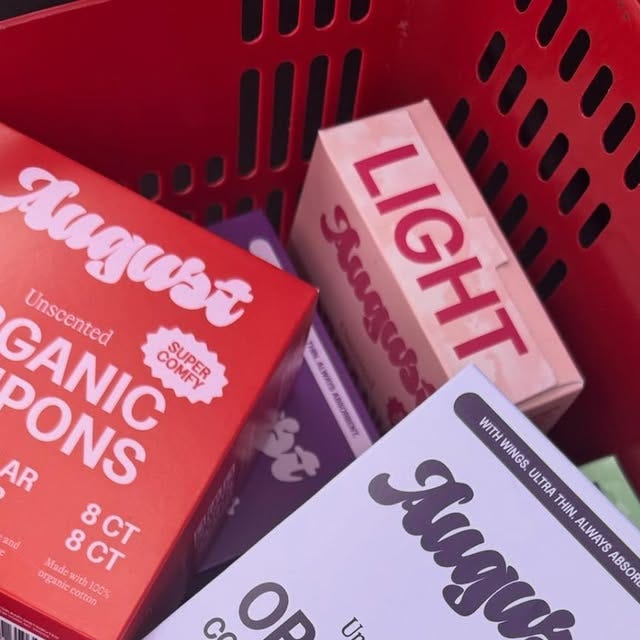
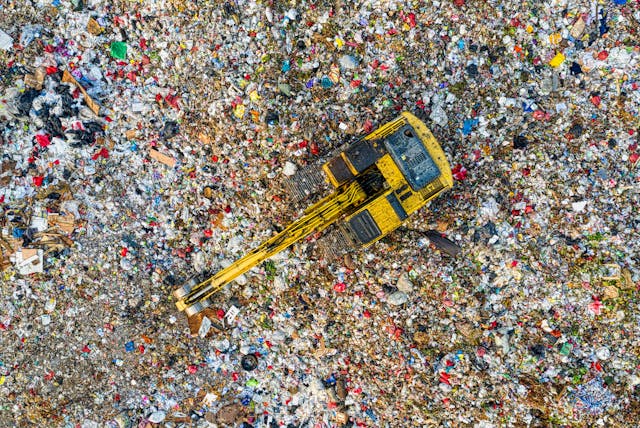
The world’s economy and fossil fuel use is an enormous and intricate system. Our world’s fossil fuel use includes plastic packaging, which is unfortunately made from fossil fuels. The COP30 packaging implications are clear: decrease plastic use, and support recycling efforts.
Since virgin plastic prices are so low, it’s difficult for recycled plastic to compete in the marketplace against virgin plastic. Verified plastic waste recovery and recycling is critical so companies can directly support recyclers.
Reducing and recycling packaging can feel daunting to a packaging and sustainability team. However, focusing on a tiny piece of a problem will make it so much more manageable and attainable. By creating a roadmap to get you there, suddenly the steps seem more reasonable.
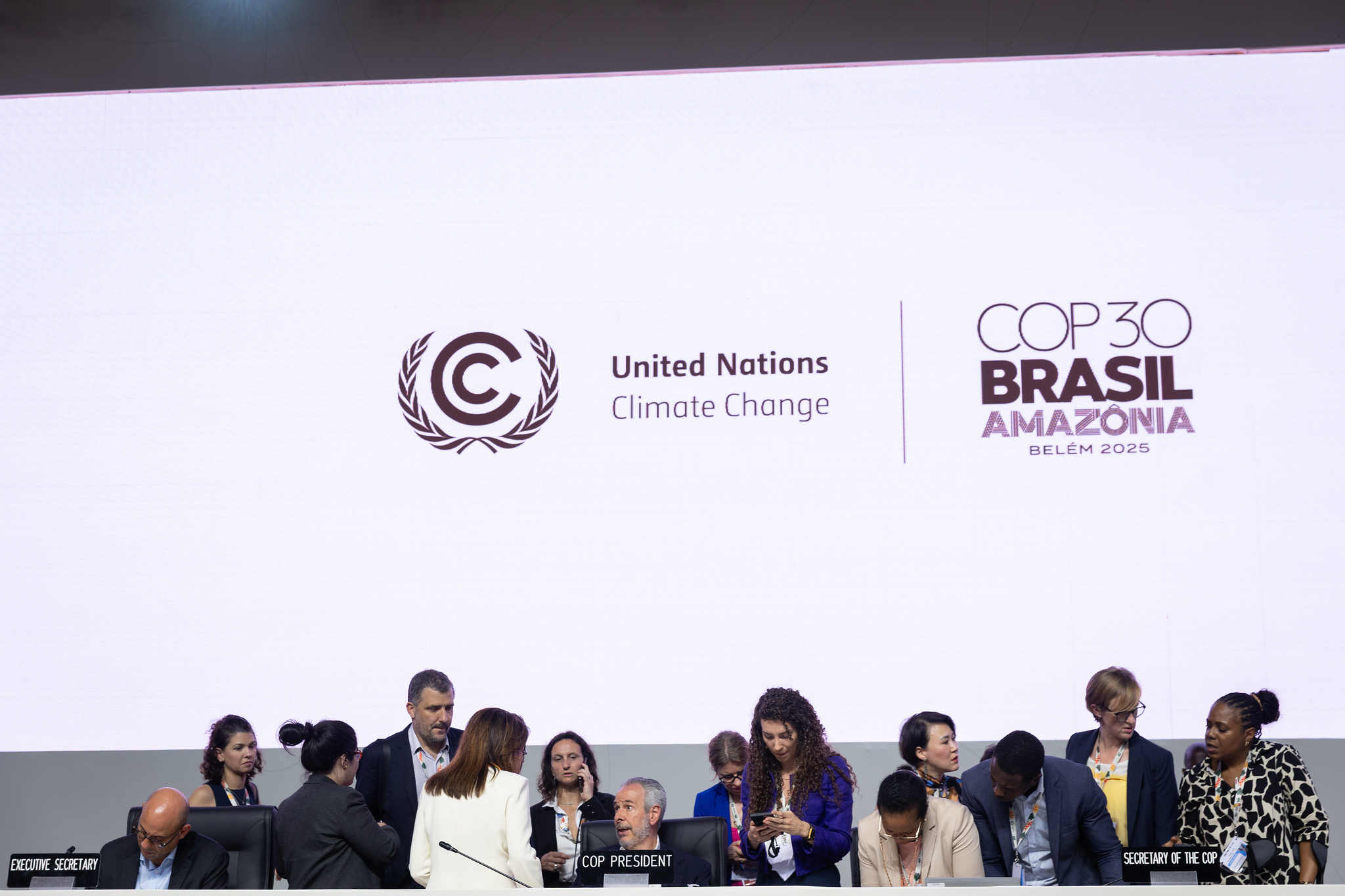
Turning COP30 signals into a practical packaging roadmap
COP30 didn’t hand companies a finished plan, but it did reinforce the direction of travel. For packaging and sustainability teams, the real challenge now is translating global signals into actions that can actually be implemented inside a business.
The steps below outline a practical way to start building a packaging roadmap grounded in what you can measure today, what you can change incrementally, and where external support can make the biggest difference.
Step 1. Investigate your company’s current packaging use: this is your Baseline
- Get a clear picture of your current packaging use will help you see the big picture and identify ‘hotspots’.
- Identify the packaging weights and plastic types for each SKU.
- Don’t worry, Plastic Collective has helped many companies accomplish this Plastic Footprinting process.
Step 2. Focus on a packaging hotspot
- What SKU has the most excess or intricate packaging?
- More plastic types in one packaging system, make it harder to recycle
- What can you change?
- Remember, a small improvement will become significant when you consider all of the products you sell in a year!
Step 4: Evaluate annually and promote your achievements
- Every year, compare your current plastic packaging use to your baseline.
- Your marketing team can use the measurable numbers from your company’s Plastic Footprint.
- Plastic Collective provides a marketing toolkit, blog, dashboard, and plenty of videos and photos to show how you’ve supported plastic waste collectors and recyclers.
A roadmap doesn’t need to be perfect to be effective
COP30 made it clear that waiting for perfect policy clarity is no longer a strategy. Packaging teams are being asked to move now, even while global roadmaps are still taking shape.
If you’re responsible for packaging, sustainability, or ESG reporting, a readiness conversation can help clarify where to start, what to prioritise, and how to align internal teams around a realistic roadmap.
We invite you to a short, practical conversation with one of our experts to assess your current packaging baseline, identify immediate opportunities, and understand how your approach aligns with the emerging COP30 packaging implications.
FAQs
What are the COP30 packaging implications for companies today?
COP30 highlighted growing global pressure to reduce reliance on fossil fuels and prevent deforestation. For packaging teams, this translates into reducing plastic use, improving recyclability, and supporting recycling systems, even ahead of formal regulation.
How can packaging teams respond to COP30 without waiting for new regulation?
By creating internal roadmaps. This includes establishing a packaging baseline, addressing high-impact SKUs, improving recyclability, and supporting verified plastic recovery and recycling.
Is plastic recovery a substitute for reducing packaging?
Recycling is often not economically viable on its own. Plastic credits provide additional funding to verified collection and recycling projects, helping sustain recycling systems while infrastructure and policy evolve.
Why are companies investing in voluntary plastic recovery initiatives?
No. Plastic recovery complements reduction and redesign efforts. It helps address existing plastic pollution while companies work to reduce plastic use over time.
Header image:
Participants during the “COP 30 High-Level Dialogue on Gender -Towards a people-centered climate action: recognizing the role of women and girls of African descent” session.
(Photo:© UN Climate Change – Diego Herculano)