

In business sustainability, there’s a quiet assumption that shapes more decisions than we like to admit: that the best solution hasn’t arrived yet.
It appears in conversations about next-generation materials, in long-term circularity strategies, and in the belief that given enough time, systems will evolve into something more efficient and sustainable. On the surface, that thinking feels rational. No company wants to commit resources to an approach that may soon be outdated.
But this mindset has a consequence. It creates space for delay.
While businesses wait for better solutions, the current system continues to operate as it always has, producing, selling, and discarding at scale.
When delay becomes the strategy
Hesitation in sustainability is rarely about indifference. It is usually about complexity.
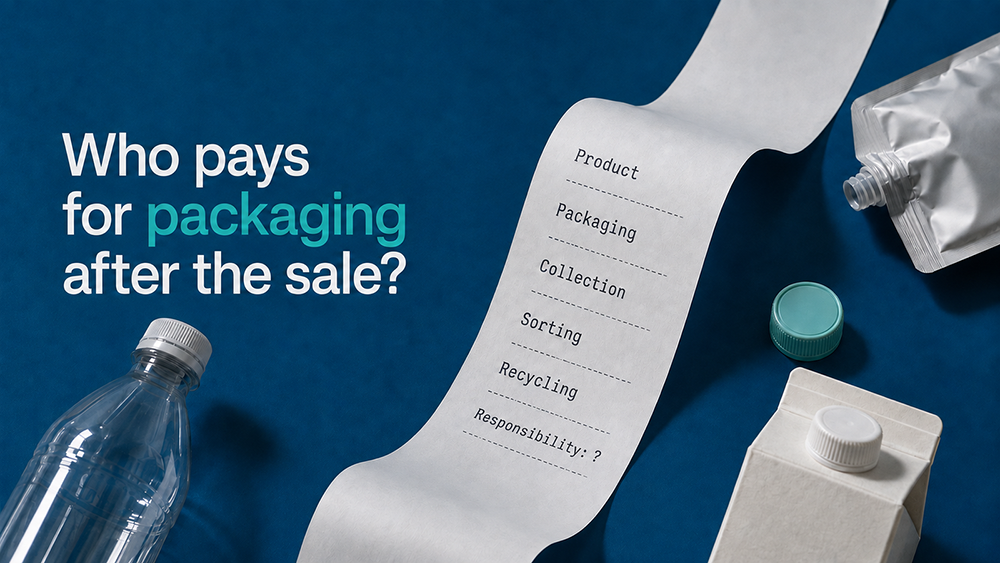
Decisions sit at the intersection of cost, regulation, supply chains, and brand risk. Changing materials can be expensive. Waste infrastructure differs significantly across regions. Policies such as Extended Producer Responsibility are still evolving, which makes long-term planning difficult.
In this context, waiting can feel like the responsible choice.
Over time, however, delay stops being a temporary pause and becomes an embedded strategy. Businesses continue operating within existing systems while progress is pushed further into the future.
What happens while we wait
The critical issue is not intent, but what happens in the meantime.
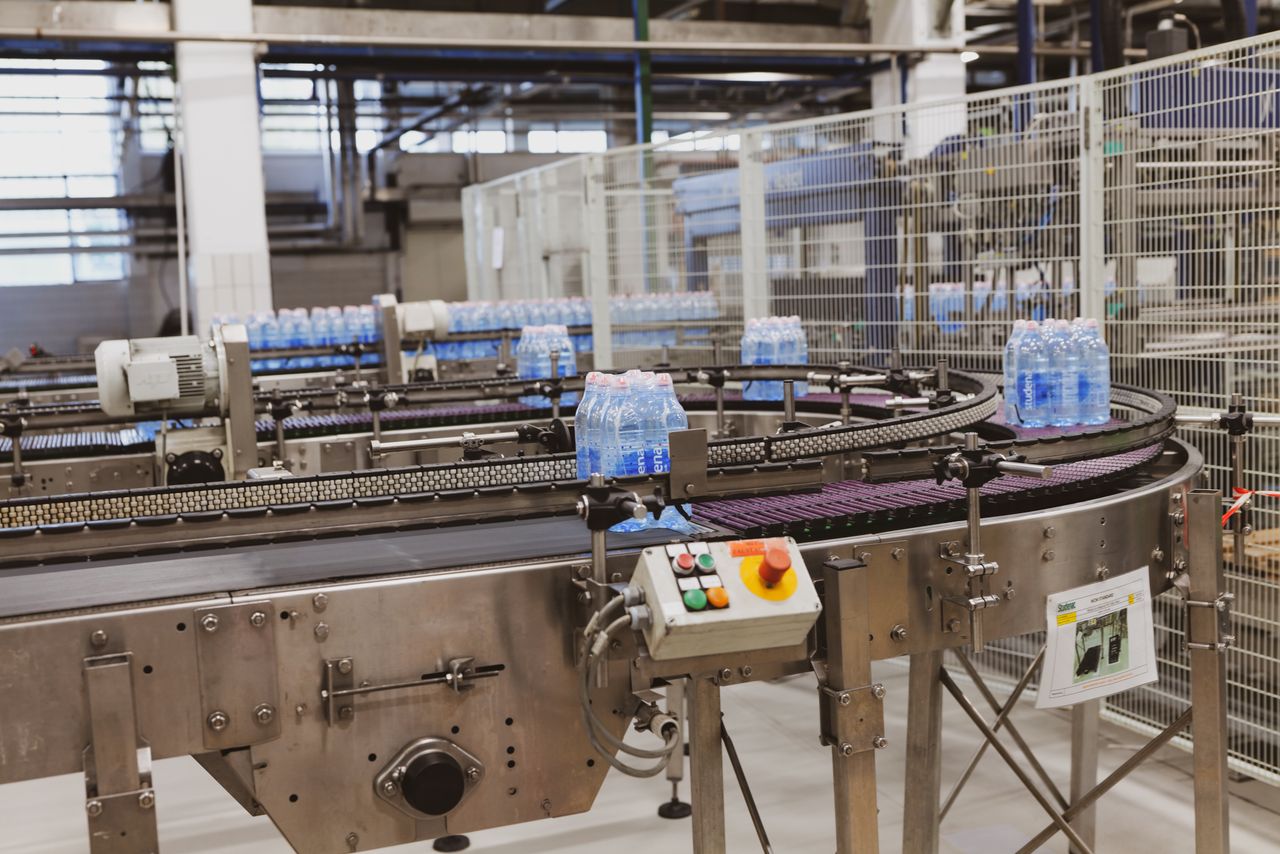
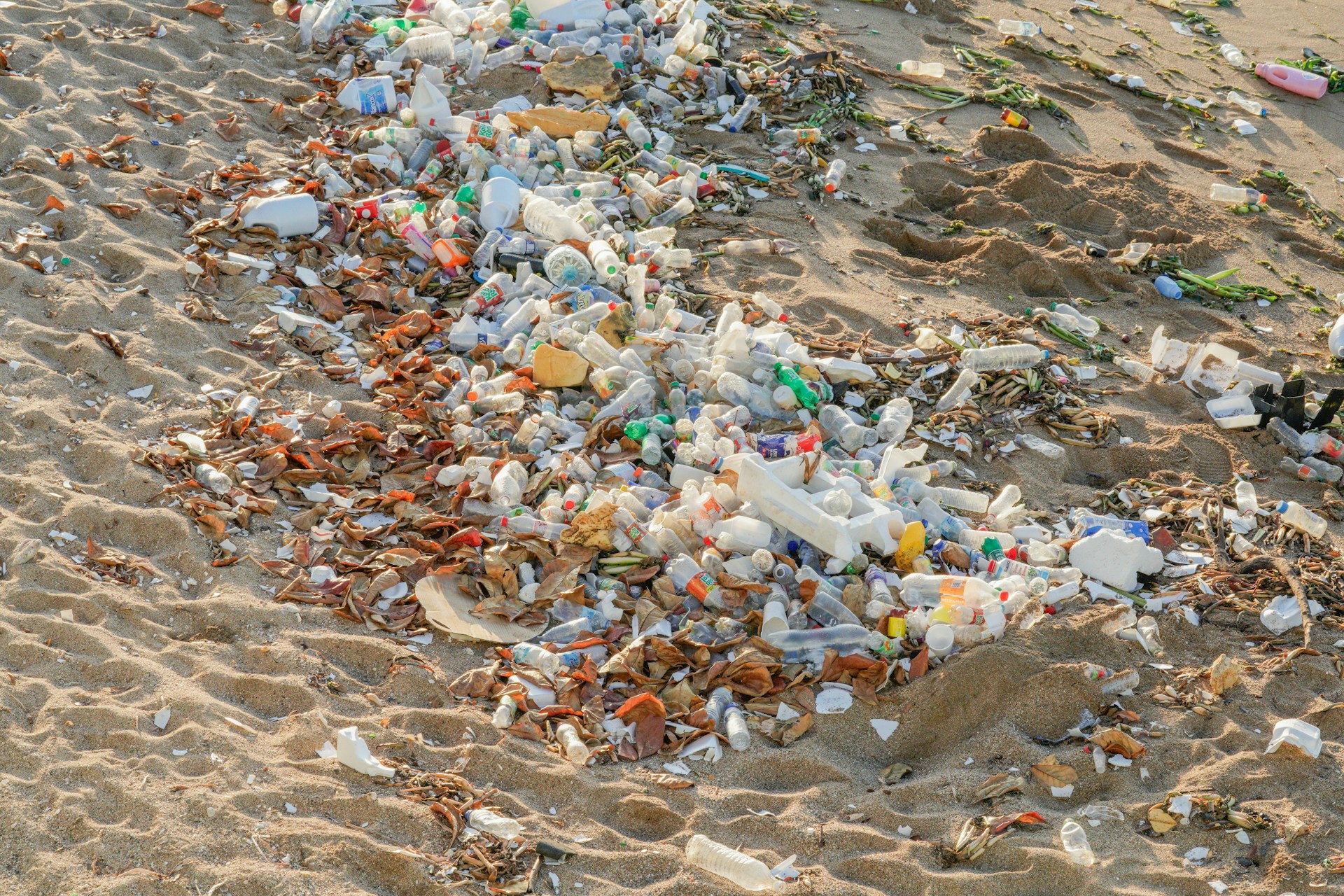
Production continues. Plastic packaging moves through global supply chains. Waste accumulates across systems that are already under pressure or leaks into the environment.
Delay does not pause impact. It allows it to continue. At scale, this ongoing accumulation is what sustains the problem.
The risk of inaction is increasing
Waiting is often seen as the safer option, but that assumption is becoming less reliable.
Extended Producer Responsibility and other regulations are tightening across major markets, particularly around packaging accountability and waste. Scrutiny of sustainability claims is also increasing, with growing consequences for greenwashing. Customers, investors, and partners are asking for evidence of action, not just long-term commitments.
In this environment, inaction carries risk. Costs may rise, compliance may become more complex, and reputational pressure may intensify.
Delaying action today often leads to greater challenges tomorrow.
Acting within today’s constraints
The question for businesses is not whether to act, but how to act in a system that is still evolving.
There is no single solution that resolves everything at once. Progress typically happens through incremental steps. Companies improve packaging design, increase recyclability, align with regulatory requirements, and explore ways to manage the impact of materials already in circulation.
Addressing existing plastic is often the most difficult part. It requires shifting focus from future improvements to present responsibility.
Turning responsibility into measurable action
To close this gap, businesses are increasingly adopting practical approaches that can be implemented today.
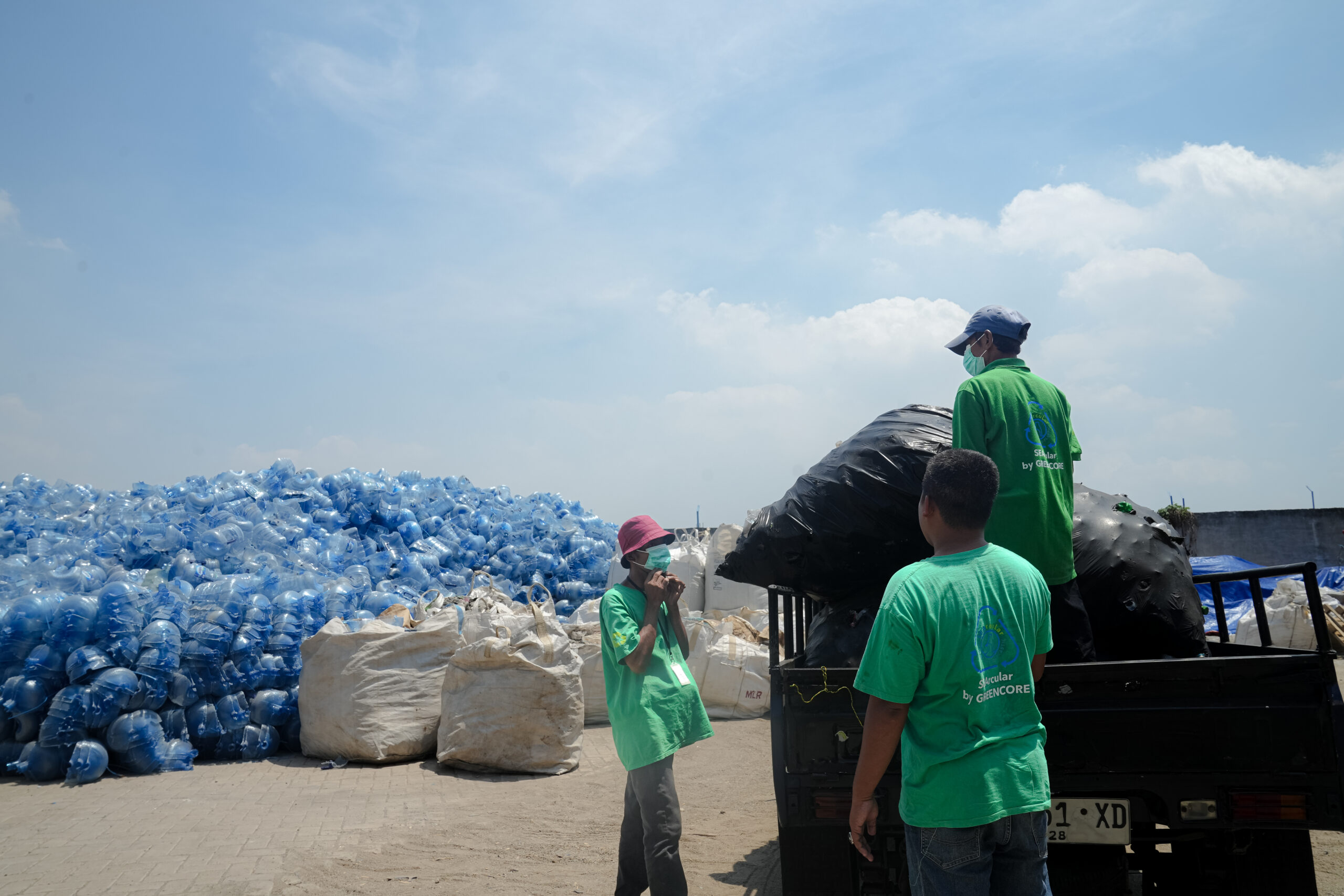
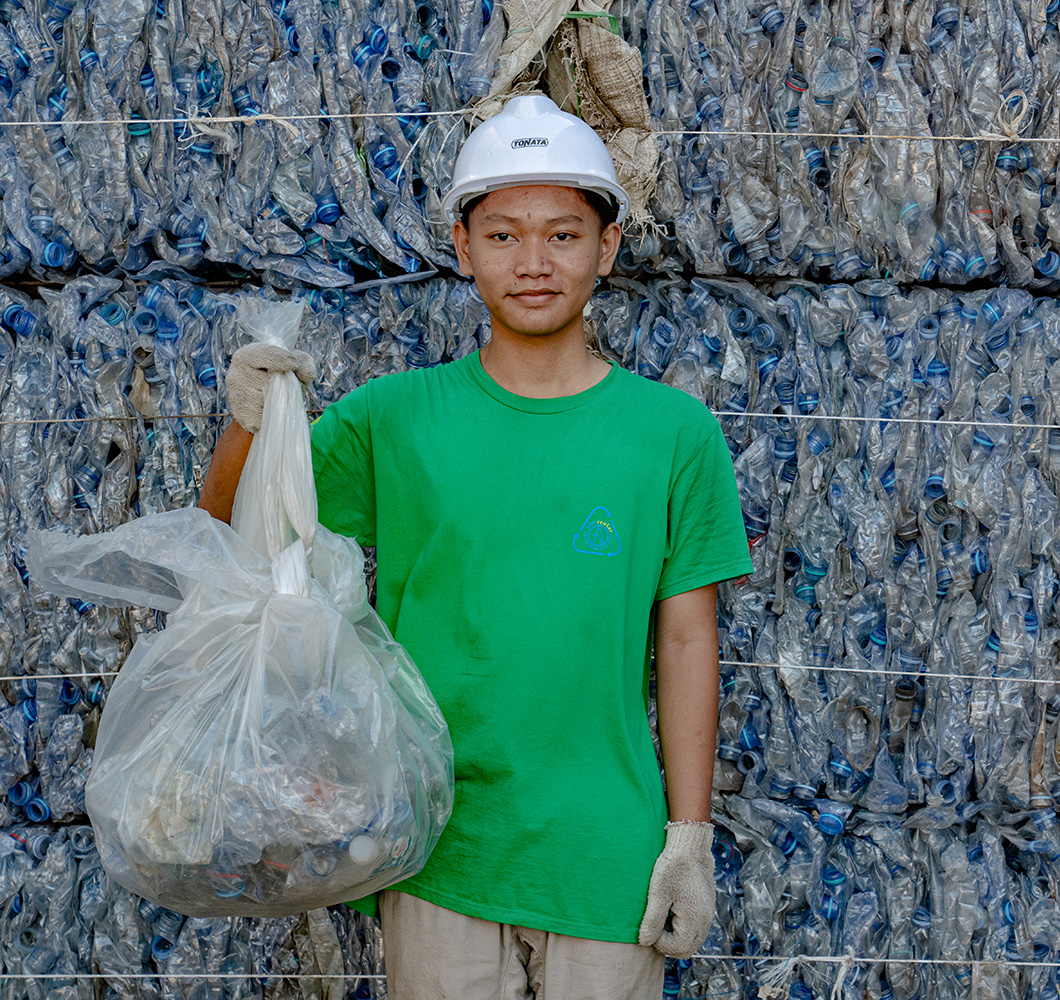
One example is the Buy One Remove One model. This approach enables companies to fund the recovery of an equivalent amount of plastic to what they place into the market.
It is not a replacement for long-term system change, and it does not remove the need for better materials or infrastructure. What it offers is a way to take immediate, measurable action.
For businesses navigating uncertainty, this creates a path forward. It allows them to demonstrate responsibility, support recovery systems on the ground, and make progress while broader changes continue to develop.
Importantly, it shifts sustainability from something that is planned to something that is practiced.
From waiting to participation
Sustainability progress depends less on perfect solutions and more on participation.
When businesses wait for systems to improve, progress slows. When they engage with existing solutions, even imperfect ones, they contribute to change.
This shift, from waiting to participating, is what builds momentum across industries.
The real risk
Plastic remains a visible and urgent issue. The less visible challenge is the tendency to delay action while waiting for better solutions.
Because while we wait, the system we already have continues uninterrupted.
The companies that make meaningful progress will not necessarily be those with perfect answers. They will be the ones willing to act, adapt, and improve over time.
In sustainability, momentum matters more than perfection.
Start acting, not waiting
If your organisation is still exploring how to move from commitment to action, the first step does not need to be perfect. It needs to be practical.
Approaches like Buy One Remove One exist to help businesses take immediate responsibility for their plastic footprint, while longer-term solutions continue to evolve.
Start with what you can do today, and build from there.
FAQs
Why is delaying sustainability action a problem?
Delaying sustainability action allows existing systems to continue generating environmental impact. Production and waste do not pause while businesses evaluate options, which leads to greater accumulation and higher long-term costs.
How can businesses act on sustainability without perfect solutions?
Businesses can take incremental steps such as improving packaging design, increasing recyclability, and supporting recovery efforts that address existing plastic in the system. Approaches like Buy One Remove One can help companies take immediate, measurable action while longer-term changes are still in progress.
What is plastic responsibility for businesses?
Plastic responsibility refers to a company taking accountability for the plastic it puts into the market. This can include reducing material use, improving design, and contributing to systems that recover or manage plastic waste.
Is it better to wait for regulation before acting?
Waiting for regulation often leaves companies reacting under pressure. Acting earlier allows businesses to build internal capability, demonstrate progress, and adapt more easily as requirements evolve.
Feature image: Photo by Aldward Castillo on Unsplash