

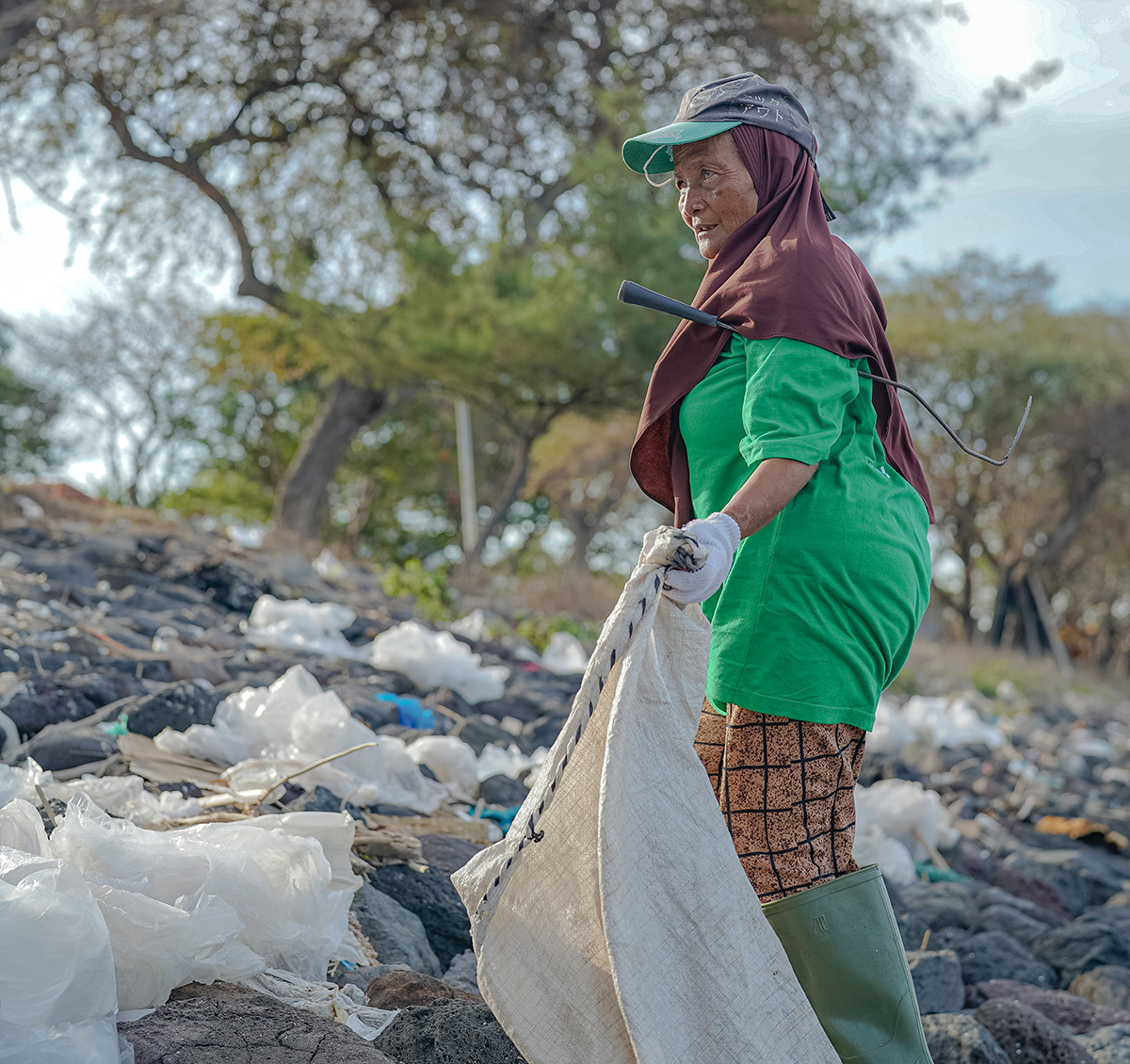
At 6am, before most offices switch on their lights, she is already working.
If she has gloves, she wears them. If she can afford a mask, she uses one.
In front of her is a pile of plastic that doesn’t belong to her – bottles, sachets, food packaging, film. The leftovers of someone else’s convenience.
This is where the circular economy actually begins.
Not in a strategy deck. Not in a sustainability report. It begins in sorting yards, collection points and landfill edges, in the hands of informal waste pickers who recover materials most of the world would rather not think about.
If your business relies on plastic packaging, it’s worth understanding who makes your circular economy possible. Speak to our team about building verified, inclusive recycling systems that recognise this workforce.
The people behind the numbers
Globally, an estimated 15–20 million people work as informal waste pickers. [1] They collect, sort and sell recyclable materials from streets, landfills and informal dumping sites.
In many low- and middle-income countries, they fill gaps municipal systems do not cover. A report in 2020 stated that around 58% of plastic are collected by informal waste workers, playing a significant role in recovering recyclable plastic and reducing pressure on public waste systems. [2]
Women are highly represented in the informal waste sector. UNEP notes that women are concentrated in the lowest-paid segments of the waste value chain, including street collection and manual sorting. [4]
In Pune, India, women make up approximately 78% of waste pickers in the SWaCH cooperative. In other cities, women represent up to 90% of street recyclers. [5]
The people behind the numbers
Globally, an estimated 15–20 million people work as informal waste pickers. [1] They collect, sort and sell recyclable materials from streets, landfills and informal dumping sites.
In many low- and middle-income countries, they fill gaps municipal systems do not cover. A report in 2020 stated that around 58% of plastic are collected by informal waste workers, playing a significant role in recovering recyclable plastic and reducing pressure on public waste systems. [2]
Women are highly represented in the informal waste sector and are often concentrated in the lowest-paid segments of the value chain, including street collection and manual sorting.[3]
In many African contexts, women account for more than half of informal waste workers.[4] In Pune, India, they comprise approximately 78% of members in the SWaCH waste picker cooperative, and in some cities women represent the vast majority of street recyclers. [5]
The lowest paid work is often women’s work
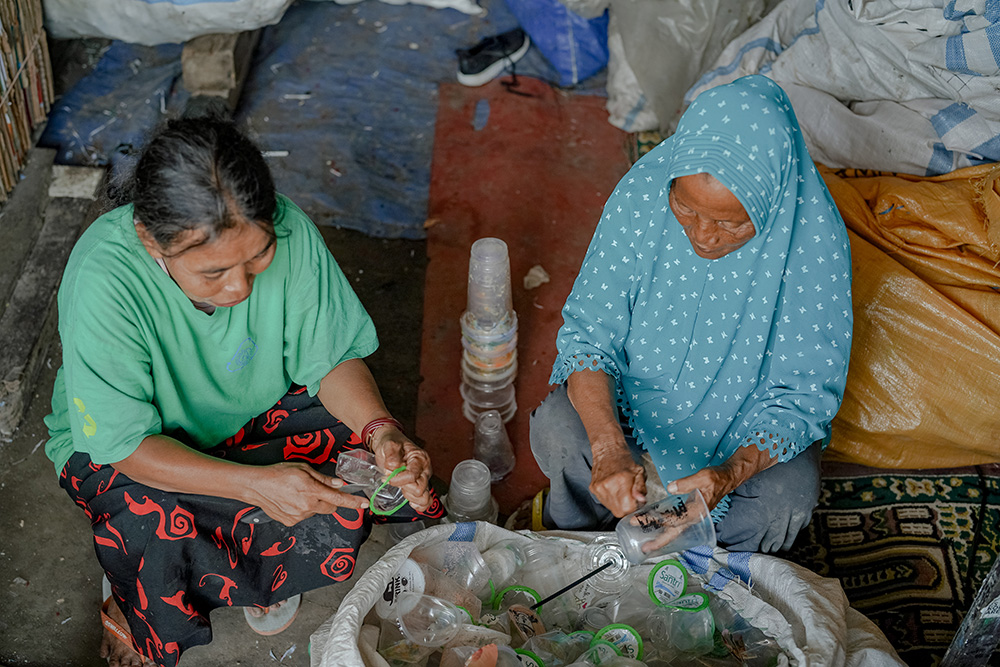
The work is manual, repetitive and exposed. Informal waste pickers often operate without contracts, without social protection and without stable income. The International Labour Organization (ILO) identifies informal waste workers as among the most vulnerable workers globally.[6]
Earnings fluctuate with material prices and access to buyers. In some contexts, daily income can fall between USD 1–3 per day.[7] Women are frequently concentrated in the lowest-paid segments of the value chain, such as street collection and manual sorting, while higher-margin aggregation and transport roles are more likely to be dominated by men.
When plastic prices fall, her income falls. When global demand shifts, she absorbs the volatility directly.
As plastic recovery systems modernise, there is growing pressure to formalise operations. That progress is necessary. But gender inclusion in waste management is not automatic.
Mechanisation does not automatically produce equity.
Without deliberate inclusion, system upgrades risk pushing women out of higher-value roles instead of integrating them into safer, better-paid positions.
The invisible link between brands and waste pickers
Public conversations about the circular economy often focus on innovation, compliance frameworks and packaging design.
But the circular economy is already full of women.
If your company produces plastic-packaged goods, those materials will eventually enter a recovery chain. In many countries, that chain includes informal waste pickers.
There is a direct connection between global brands and the women recovering materials at the base of the value chain, whether acknowledged or not.
The packaging may carry a logo. The recovery rarely does.
Explore how certified plastic recovery projects can strengthen compliance while supporting informal waste workers.
What real support actually looks like
Support is not a campaign. It is not a one-day spotlight. It is not a symbolic partnership. It is a structure.
In Ghana, ASASE Foundation operates a women-led plastic recovery system. Today, 78% of its recovery workforce are women. The project has collected over 15,744 tonnes of plastic and recycled 4,483 tonnes, targeting water sachets – one of the hardest-to-recycle materials.
The model includes:
- A 10% social premium in plastic recovery
- Healthcare support for collectors
- Community-rooted leadership
- Certified verification standards
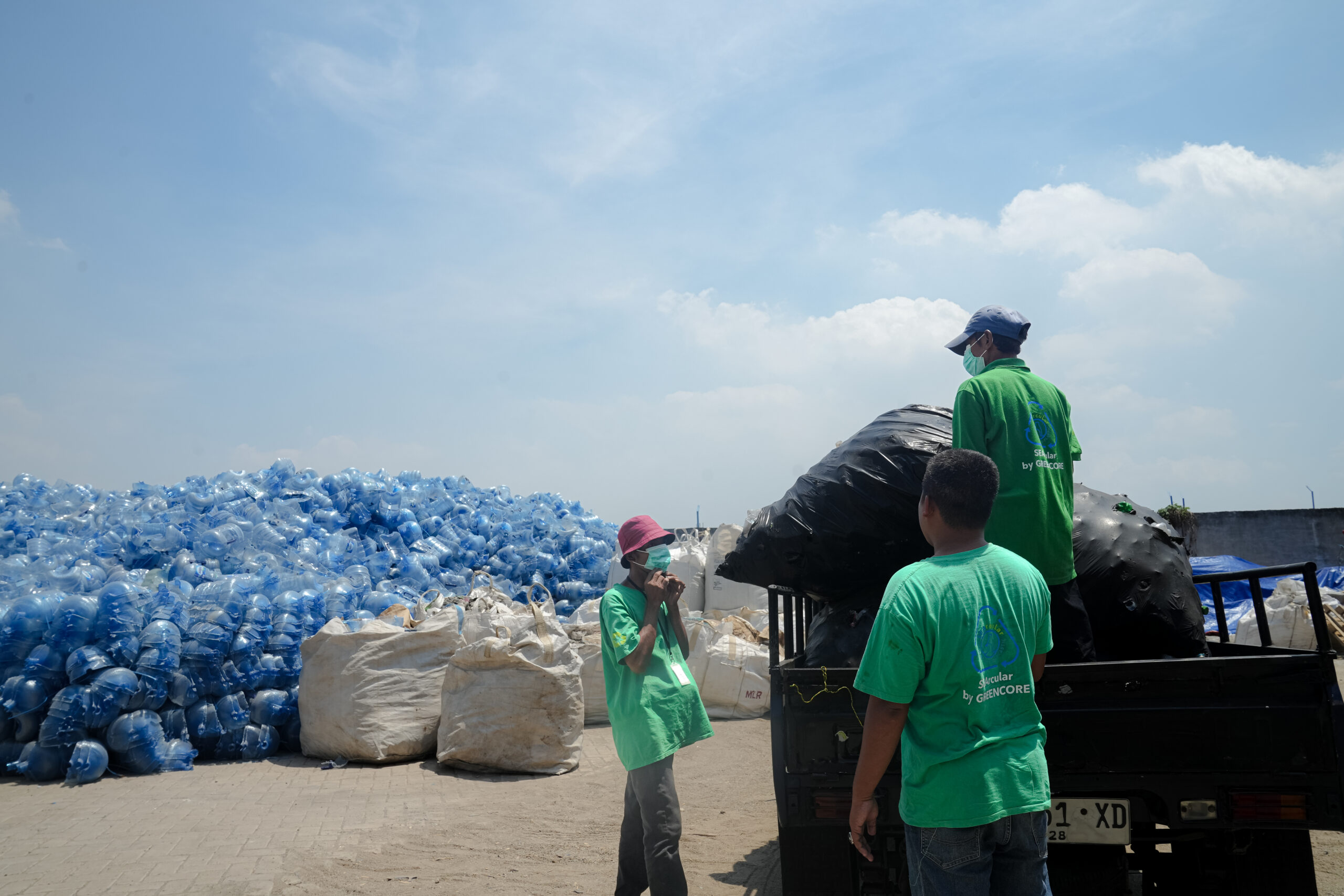
In Indonesia, SEArcular operates in a high-leakage zone and has recovered over 24,000 tonnes of plastic. Women represent 50% of its collectors. It was the country’s first certified ocean-bound plastic recovery project.
These are not abstract empowerment statements. They are operational decisions:
- Paying a social premium on recovered plastic.
- Building healthcare access into plastic recovery systems.
- Designing projects that formally include women, rather than displace them.
- Certifying recovery under recognised global standards.
It is slower than a marketing campaign. Less visible than a press release. But it changes the economics of recovery at ground level. And that is where circularity actually lives.
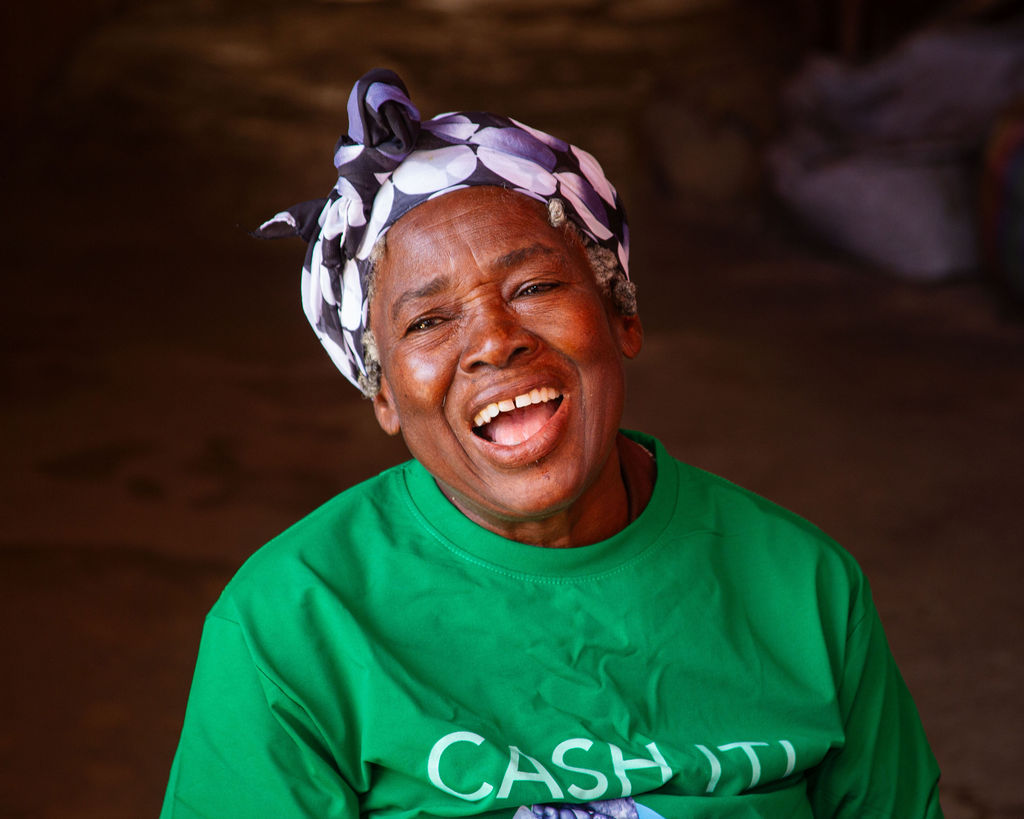
A harder question for International Women’s Day
This International Women’s Day, the more difficult question is not whether we celebrate women, but whether the women in our material value chains are safer, more financially stable and better protected because our businesses exist.
The circular economy is often described as a technical transition. In reality, it is also a labour system. And in many places, that labour is female.
There is no circular economy without her.
The real measure of progress is whether the systems we build recognise and properly support the work that has sustained recycling long before it became a corporate strategy.
FAQs
What is the role of women in the circular economy?
Women play a critical role in global recycling systems, particularly as informal waste pickers in low- and middle-income countries. They collect, sort and recover recyclable materials that feed into broader plastic recovery systems.
How do informal waste pickers support recycling systems?
Informal waste pickers fill collection gaps where municipal systems are limited. They recover plastics and other recyclables from streets and landfill sites, significantly contributing to recycling rates in many countries.
What is gender inclusion in waste management?
Gender inclusion in waste management ensures that women are formally integrated into upgraded recycling systems, have access to safer working conditions, stable income, and leadership opportunities.
What is a social premium in plastic recovery?
A social premium in plastic recovery is an additional payment built into recovery projects to support worker welfare.
Sources
- “Occupational Groups in the Informal Economy,” Waste PickersWomen in Informal Employment: Globalizing and Organizing (WIEGO), https://www.wiego.org/informal-economy/occupational-groups/waste-pickers/
- Cook, E and Velis, CA, “Global Review on Safer End of Engineered Life,” White Rose Research Online, https://eprints.whiterose.ac.uk/id/eprint/169766/
- United Nations Environment Programme (UNEP), Gender and Waste Management.
https://www.unep.org/ietc/what-we-do/gender-and-waste-management - International Solid Waste Association (ISWA) & GRID-Arendal, Women of Waste Platform Resources, 2025.
https://www.iswa.org - Richa Singh and Aman Mehta, “Integral role of women in waste management,” Down to Earth, January 24, 2025, https://www.downtoearth.org.in/waste/integral-role-of-women-in-waste-management-93886
- International Labour Organization (ILO), resources on informal waste workers and vulnerability.
https://www.ilo.org - Sonia Diaz, “Waste Pickers and Cities,” WIEGO, July 11, 2016, https://www.wiego.org/research-library-publications/waste-pickers-and-cities/