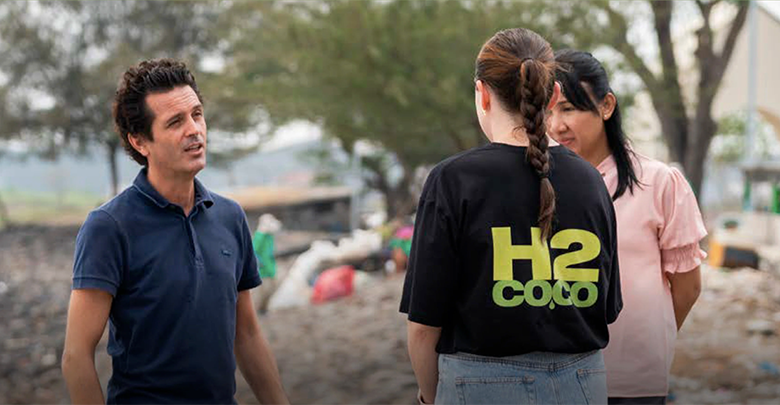


Garri Bernel did not set out to become a community leader.
He was a scuba diver. A lawyer. A Filipino living in North Bali, drawn to the quiet rhythm of coastal life in Les Village. A place where mornings begin with the sea, and where livelihoods are tied, intimately and irrevocably, to what lies beneath its surface.
But what he saw underwater changed everything.
Coral reefs, once alive with color, were suffocating. Not just from destructive fishing practices, but from something more insidious. Plastic waste, carried from inland communities, washed down rivers during monsoon rains and settled over the reefs like a second skin.
It was not just an environmental issue. It was a human one.
Because when the reefs suffer, so do the people.
When the problem surfaces
In Les Village, waste had nowhere to go.
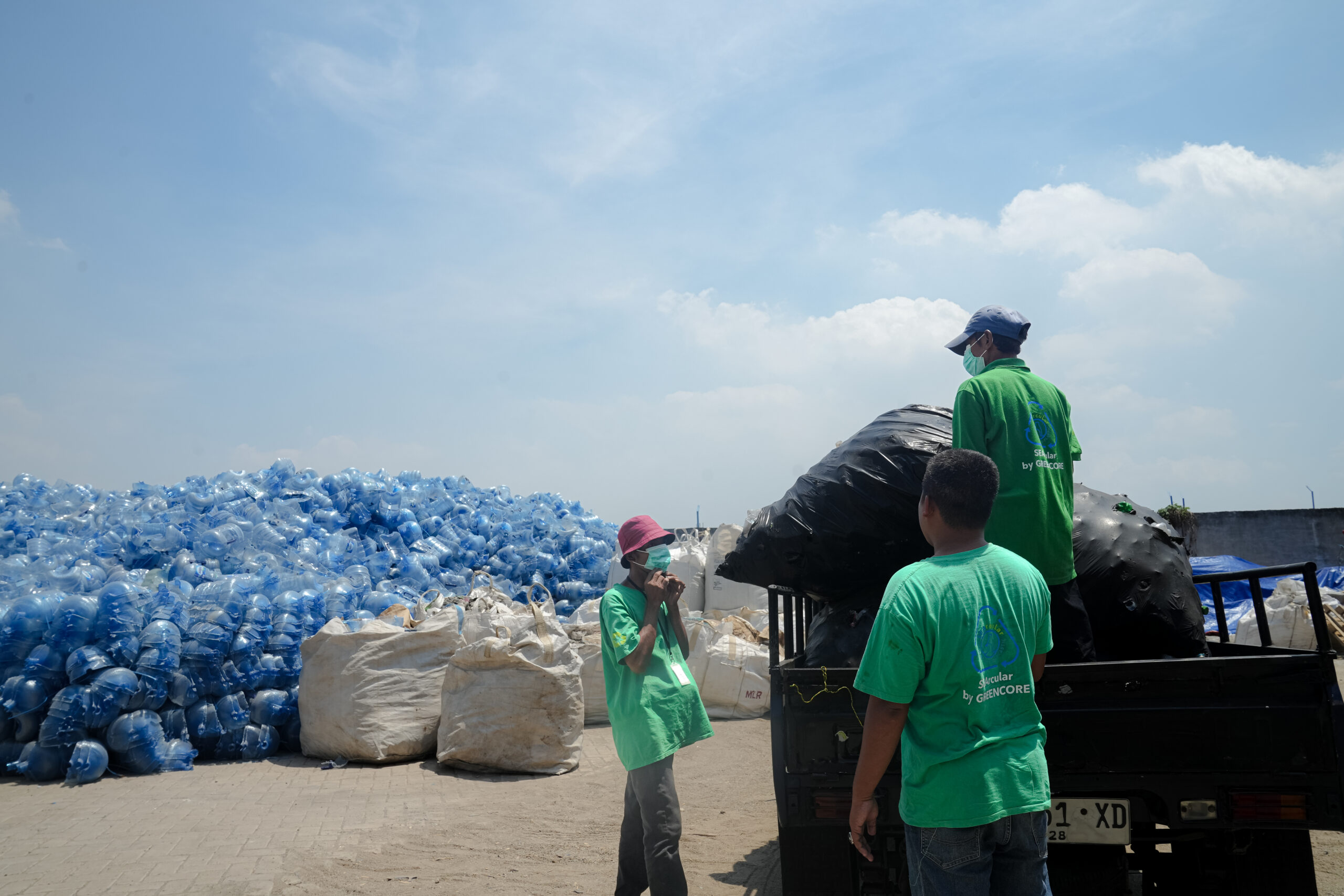
Plastic was dumped into unmanaged landfills or pushed into ravines along mountain roads. When the rains came, everything moved. Downstream. Into rivers. Into the sea.
And eventually, onto the reefs that local fishermen depend on.
For generations, fishing sustained the community. But as coral ecosystems declined, so did fish populations. Income dropped. Uncertainty grew. And with few employment alternatives in this remote part of Northern Bali, the pressure intensified.
Plastic pollution was no longer just debris. It was a direct threat to livelihoods, to food security, and to the social fabric of the village.
Starting with what they had
Garri didn’t arrive with a grand solution. He started with conversations.
Together with three friends, he co-founded Sea Communities. It is a grassroots initiative built not on funding, but on trust. They worked alongside local fishermen, not as outsiders imposing change, but as partners learning and building together.
They began with the fundamentals:
- Promoting healthier fishing practices and eliminating destructive methods like cyanide fishing
- Organizing plastic collection and discouraging open burning
- Creating a simple, community-led system to manage waste
There were no guarantees. No salaries. Just years of showing up.
And slowly, things began to shift.
Building what didn’t exist before
What started as small efforts grew into something more structured.
Sea Communities evolved into a volunteerism and learning hub, welcoming students, divers, and organizations to experience the work firsthand. Visitors learned how to restore coral reefs, support waste systems, and engage with local families through cultural exchange.
At the same time, the community began building its own systems:
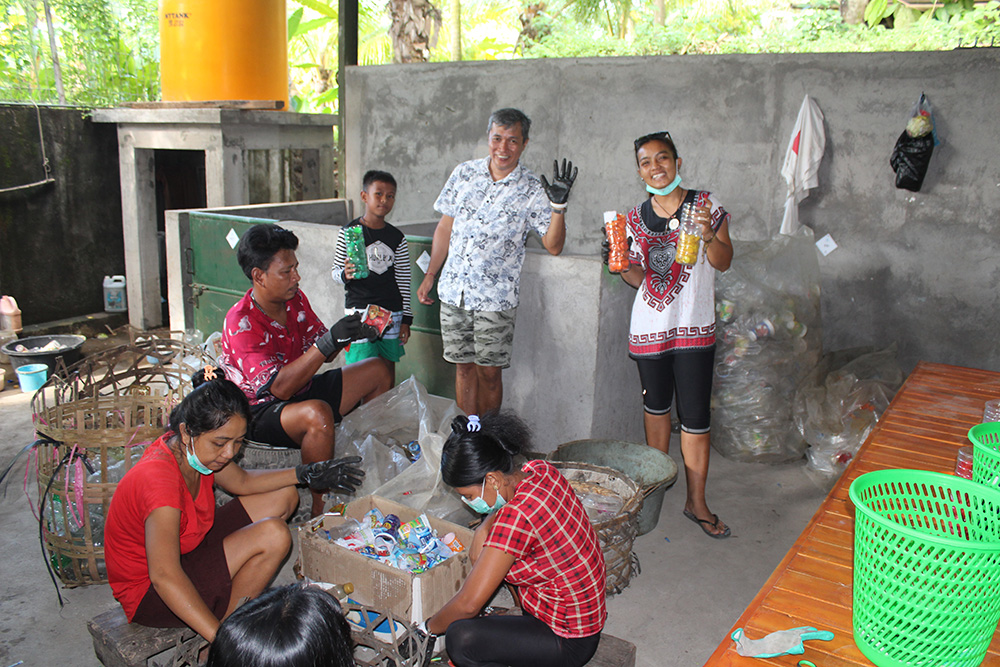
- A dedicated space for plastic collection and sorting
- Recycling initiatives that transform waste into usable materials
- Education programs that connect environmental health with economic opportunity
All of it built without formal funding and driven by the belief that solutions must come from within.
Strengthened by the right support
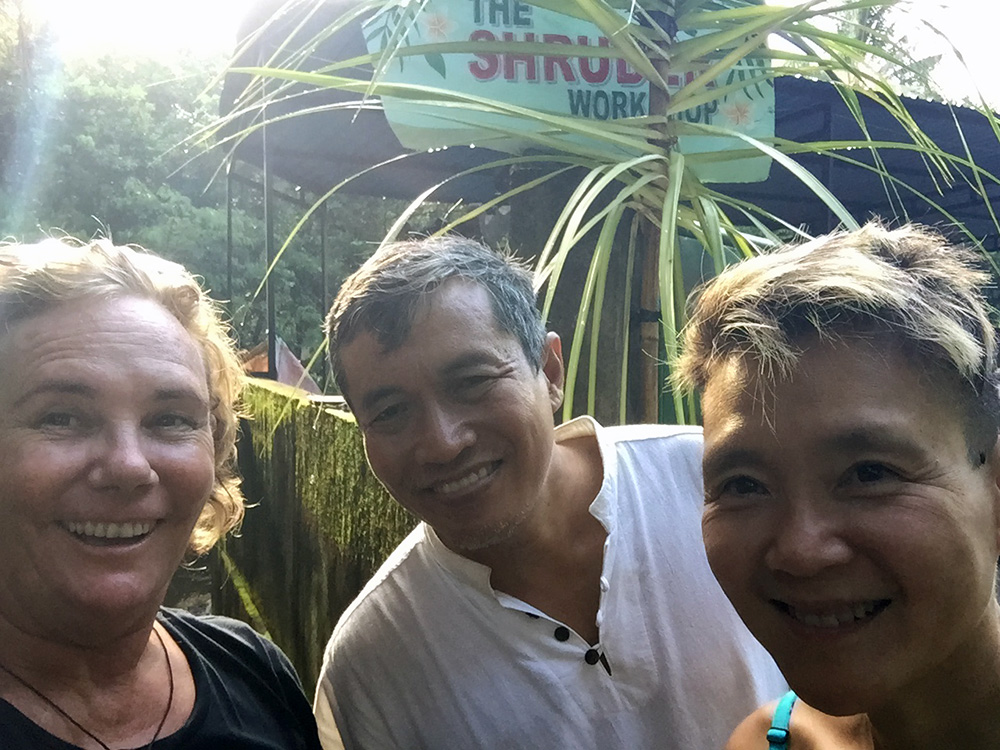
When Plastic Collective first connected with Garri and Sea Communities, it wasn’t to replace what existed but to strengthen it.
Together, we introduced:
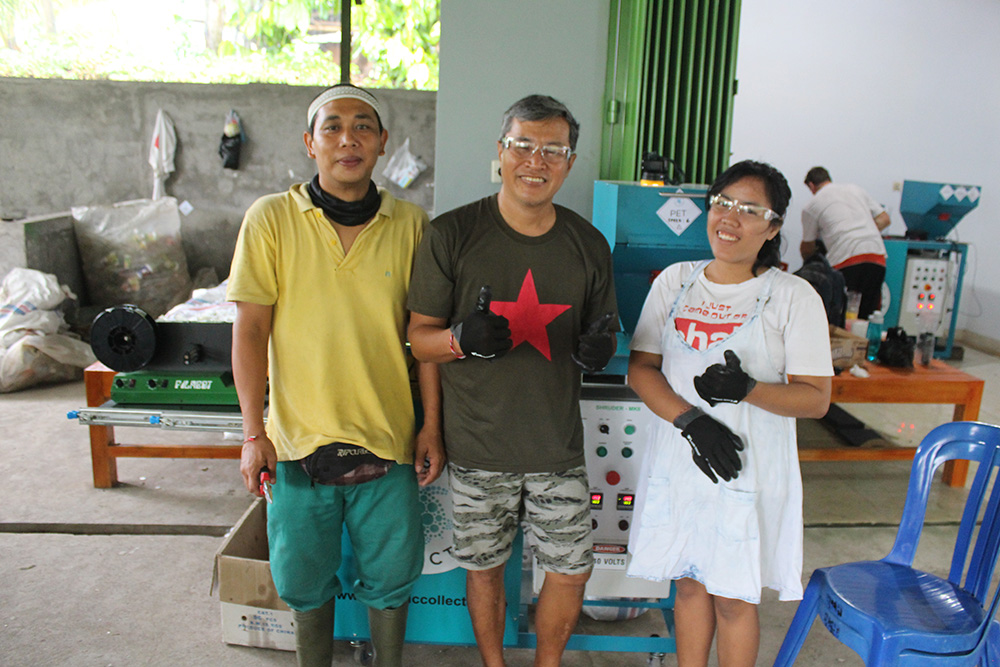
- Training on plastic recovery and recycling systems
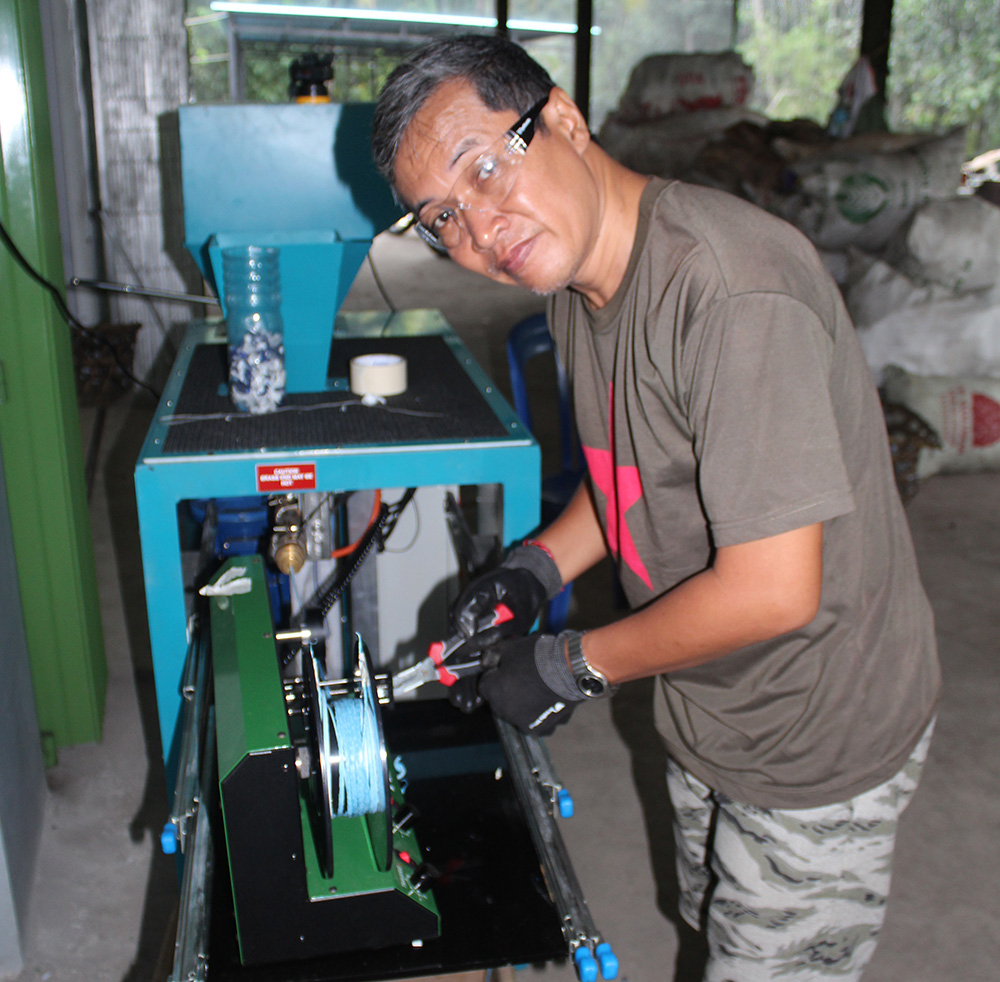
- Two mobile recycling machines, enabling local processing of collected plastic
- Ongoing mentorship to support long-term growth and resilience
The impact wasn’t immediate transformation. It was something more important: capability.
The ability for a community to manage its own waste, create value from what was once discarded, and build systems that last beyond any single project.
Why local heroes matter
Garri is often described as gentle, compassionate, and kind.
But what defines him most is consistency.
Years without wages. Countless dives. Ongoing effort to bring people together, fishermen, volunteers, partners, around a shared goal: protecting the ocean that sustains them all.
He is not doing this work alone, and that is precisely the point. Because real change does not come from a single hero. It comes from communities empowered to act.
What happens next
With the right support, the model built in Les Village can extend far beyond its shores.
More coastal communities could:
- Prevent plastic from reaching the ocean
- Restore damaged ecosystems
- Create new income streams through recycling and ecotourism
More than about reducing waste, it is about restoring livelihoods, strengthening communities, and rethinking how the world uses plastic.
A different kind of solution
At Plastic Collective, we believe plastic is not the problem. The system is. And in places like Les Village, we see what happens when that system begins to change from the ground up.
Through people like Garri.
Through communities that refuse to wait.
Through solutions that are built, owned, and sustained locally.
Because the most powerful way to stop plastic pollution is not from the outside looking in. It is from within.
FAQs
Why was plastic pollution such a big issue in Les Village?
In Les Village, there was no formal waste management system. Plastic waste was often dumped or burned, and during heavy rains, it would flow through rivers into the ocean, eventually damaging coral reefs and affecting local livelihoods.
How did Sea Communities start addressing the problem?
Sea Communities began with small, community-driven actions. By working closely with local fishermen, they introduced better fishing practices, organized plastic collection, and built simple systems to manage waste locally.
What role did the local community play in the solution?
The local community was central to everything. Rather than relying on external solutions, residents helped design and run the systems themselves, from collecting plastic waste to participating in recycling and education programs.
How did Plastic Collective support the initiative?
Plastic Collective supported the existing efforts by providing training, mobile recycling machines, and ongoing mentorship. The goal was not to replace the community’s work, but to strengthen and scale what was already in place.
Can this model work in other communities?
Yes. The approach used in Les Village shows that with the right support, other coastal communities can build their own systems to reduce plastic pollution, restore ecosystems, and create new livelihood opportunities.