

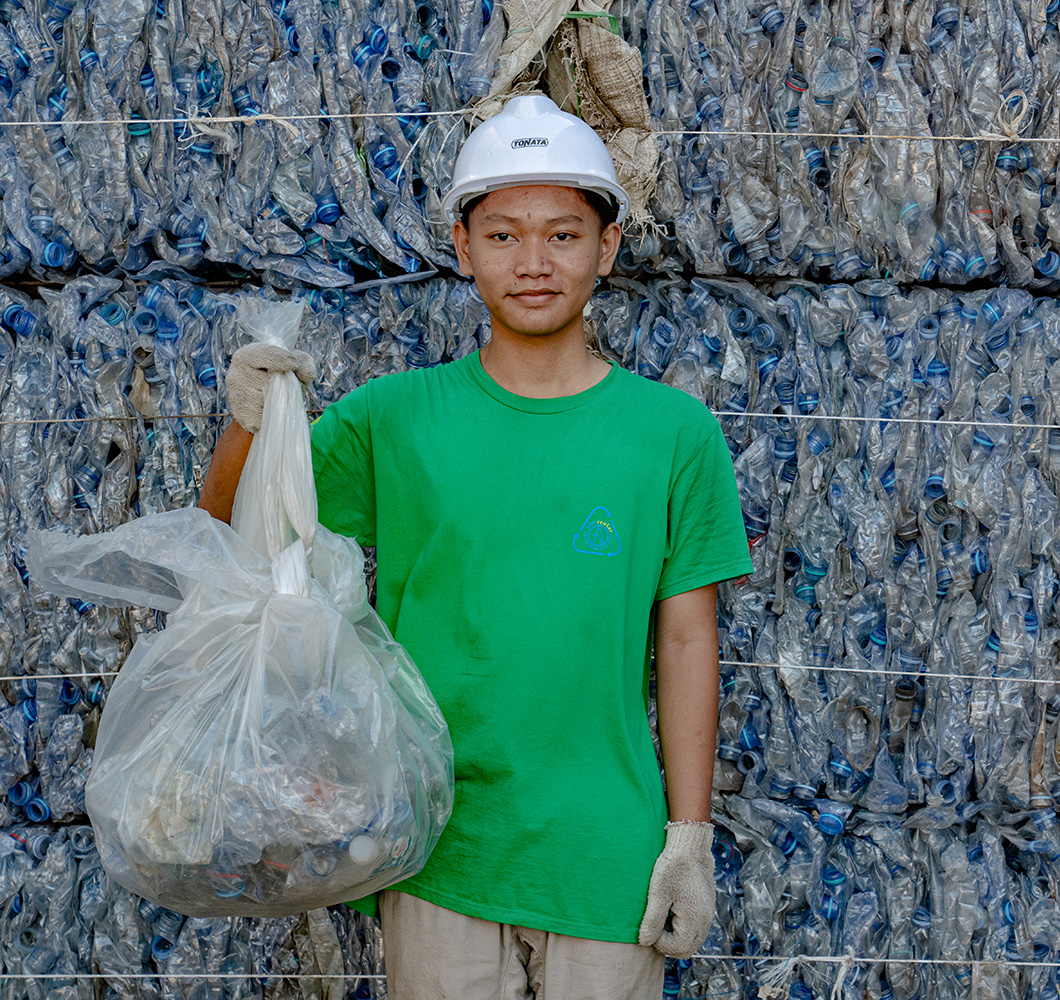
As a Compliance Manager, it’s helpful to know what third-party auditors check during an actual on-site audit. When you’re deciding to purchase plastic credits, understanding how projects are audited can give you confidence that plastic credit projects meet regulatory compliance standards.
I’m a project manager for plastic credit projects under the Verra Plastic Waste Reduction Program. It’s my job to help our projects establish their measurement, documentation, and reporting procedures so they are ready for an audit.
When a project has collected and recycled about 1-2 years’ worth of plastic waste, they schedule an audit. This always includes a site visit that typically lasts about 5 days.
Here’s an overview of what auditors check. Keep in mind, every audit is customized to the project, and there are many more details I haven’t covered here.
For a more detailed look, you can review our SEArcular Greencore Indonesia project audit documentation.
Audit Day 1: Desk review
Plastic credit project audits begin with a desk review of the project’s Monitoring Report and supporting documentation.
The Monitoring Report details how the project has maintained compliance with its monitoring plan and the Verra standard, including stakeholder engagement and the volume of plastic collected and recycled during the reporting period.
Supporting documentations
- Training records
- Employee injury records
- Plastic weights and end destination/offtaker receipts
- Applicable laws and compliance documentation
- Project proponent company registration documents
- Project procedures (Operations Monitoring Plan, Stakeholder Engagement, and Collector Training Guide)
- Contracts with end destinations/offtakers
The auditors use this phase to assess whether the project’s documentation aligns with its reported outcomes and compliance requirements.
Audit planning
Following the desk review, auditors develop an audit plan.
The auditors will select which project sites, stakeholders, and collector groups they want to visit, based on:
- highest volume of collected waste
- most vulnerable groups
- highest risk of project impact on the groups
The Project Proponent must notify stakeholders and arrange on-site interviews. These interviews may be conducted individually or in groups and can last up to one hour per session.
Importantly, the Project Proponent must stand at a distance to allow auditors to speak with stakeholders privately, without influence.
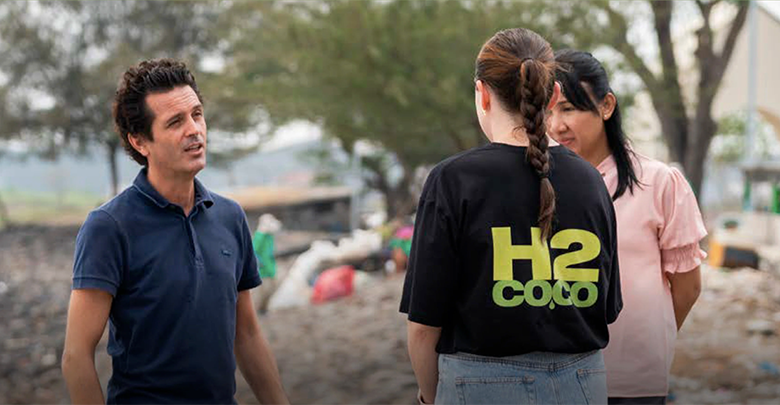
Meetings can take place in the field, including at collection sites and dumpsites. An interpreter is also required if local language support is needed.
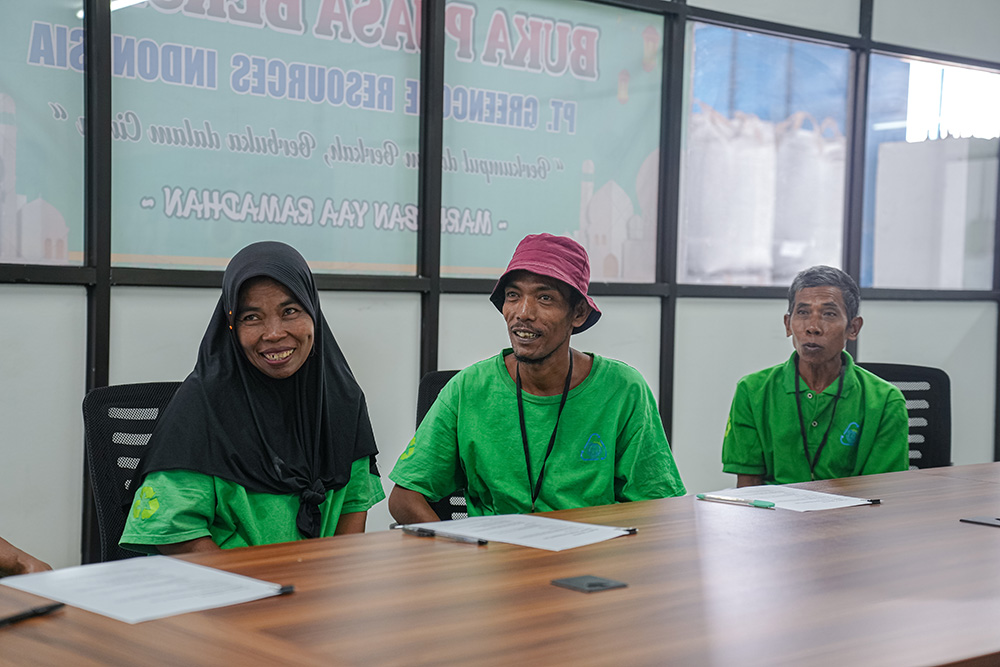
Audit Days 2-3: On-site interviews with collectors and stakeholders
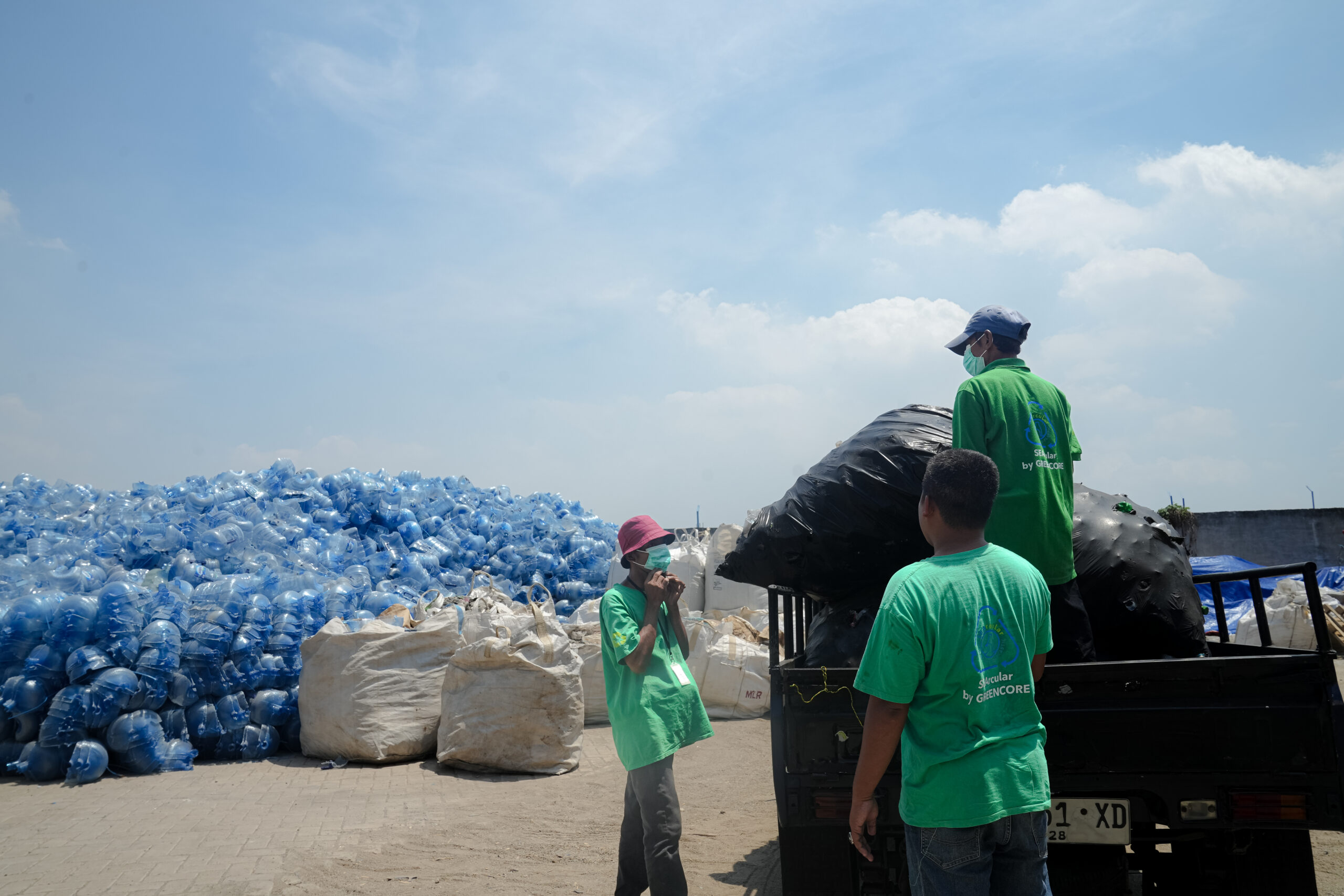
During this phase, auditors visit collection worksites and speak directly with collectors and workers.
They assess whether the project is operating in line with social safeguards, labour standards, and compliance requirements.
Key checks
- Have the collectors/workers been registered and trained?
- Does the project check the age of the collectors/workers to make sure they are 18+?
- Does the project communicate the worker’s rights laws to the collectors?
- The auditor will check the collector’s receipts of payments for collected plastics, to cross-check with Project Proponent’s records and the amount we say they have been paid.
- Have collectors/workers been trained on health and safety risks?
- Do the collectors have PPE? Do they wear PPE while collecting?
- Do the collectors know how to submit Feedback & Grievances to the Project Proponent?
Auditors will also cross-check payment receipts from collectors against project records to ensure transparency and accuracy.
Stakeholder interviews
Auditors meet with stakeholders, including local and traditional leaders.
They assess:
- Do the stakeholders know about the project and the plastic credit activities?
- Did the stakeholder give free, prior, and informed consent to allow the project to operate on their land, before the project started?
- What are the Stakeholders’ experiences with the Project Proponent? How do they feel about the Project Proponent so far, and what are they expecting to see with the project?
These interviews help validate that the project is operating ethically and maintaining community trust.
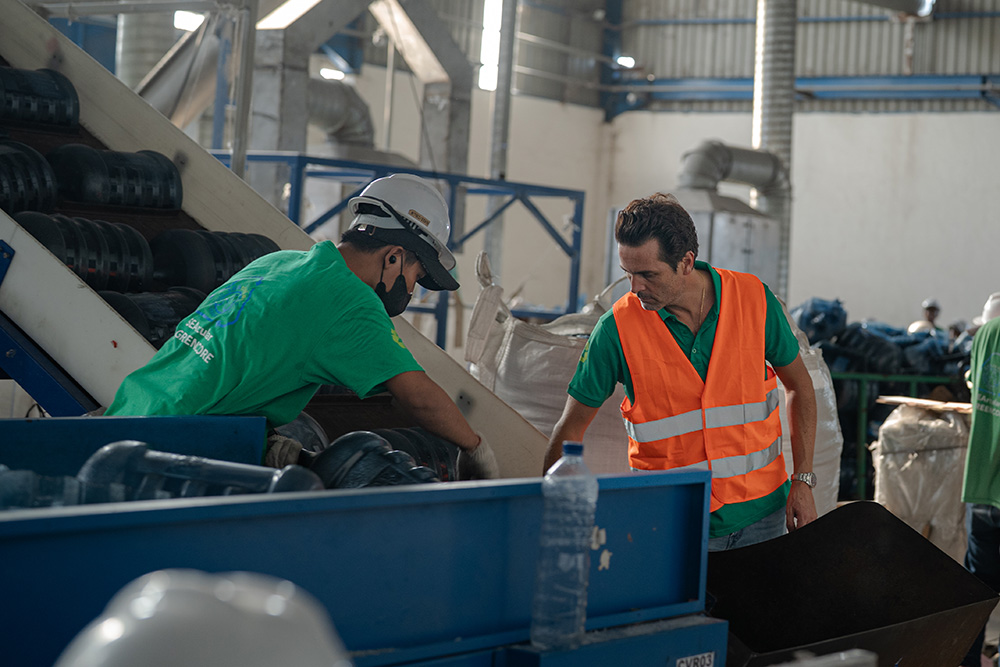
Audit Days 4-5: Visit to sorting and recycling facilities
The final phase involves visiting the project’s sorting and recycling facilities.
Here, auditors assess operational processes, environmental compliance, and data integrity.
Facility checks
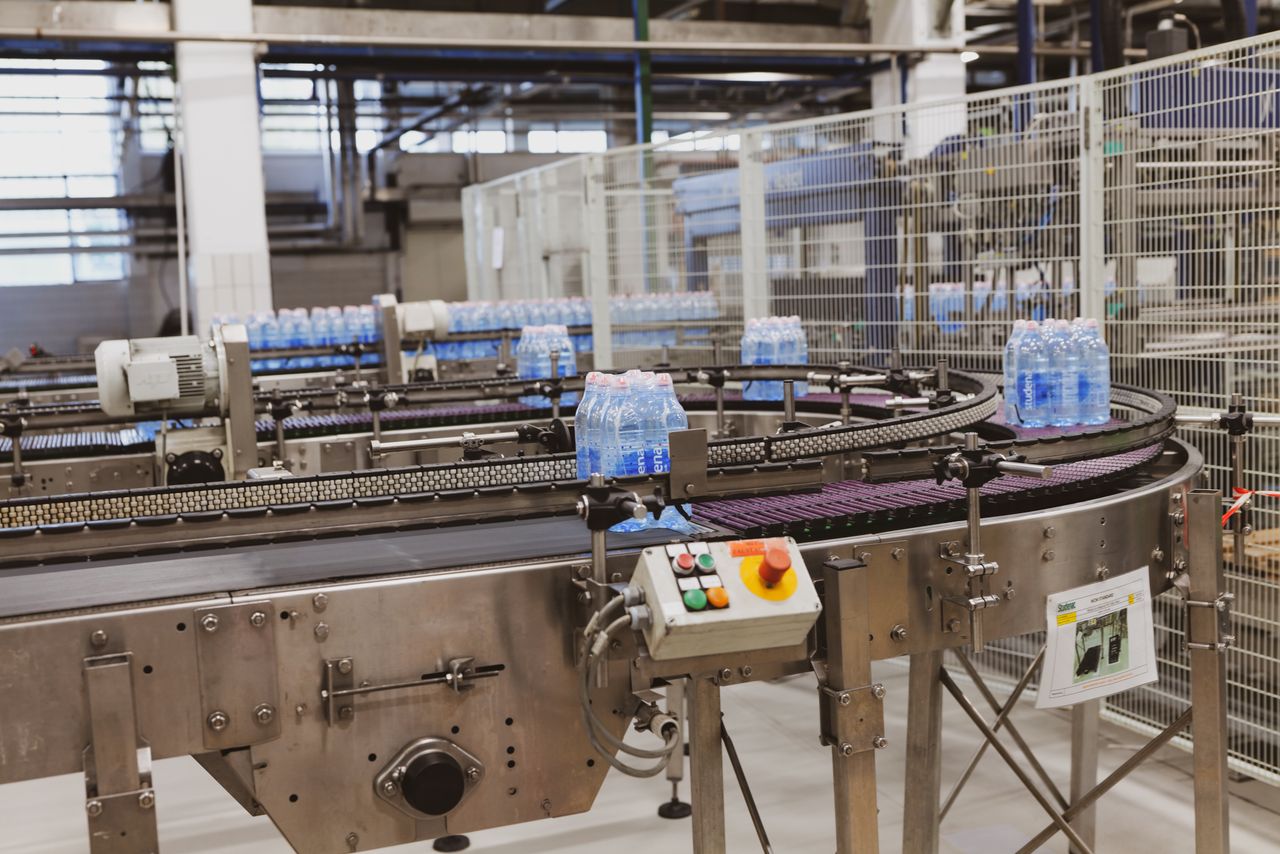
- Observing weighing procedures and verifying scale calibration
- Reviewing the plastic handling process (sorting, weighing, baling, etc.)
- Checking recordkeeping, inventory tracking, and monitoring systems
- Evaluating quality control procedures for data collection and reporting
- Interviewing staff responsible for data recording and verification
Environmental and safety compliance
Auditors also assess whether the facility meets environmental and workplace safety standards:
- Are environmental permits in place?
- Are there any negative impacts on air, water, soil, or ecosystems?
- Is proper safety signage installed (emergency exits, fire alarms, extinguishers)?
- Are workers trained in safety procedures?
- Are workers aware of their rights under labour laws?
They will also review:
- Worker payslips to verify wages
- Time records to ensure compliance with working hours and leave entitlements
Why this matters for compliance leads
For companies purchasing plastic credits, this audit process is what ensures that plastic recovery claims are credible, verified, and compliant.
It is not just about volumes of plastic collected, it is about:
- Traceability
- Worker protection
- Environmental safeguards
- Transparent reporting
Understanding what auditors look for helps you evaluate the quality of plastic credit projects and reduce compliance risk.
FAQs
What do plastic credit auditors check?
Plastic credit auditors review documentation, monitoring reports, and on-site operations to verify that projects meet standards like Verra. This includes checking plastic collection volumes, worker conditions, environmental compliance, and data accuracy.
How do plastic credit audits work?
Plastic credit audits typically involve a desk review of project documentation followed by a multi-day site visit. Auditors interview workers and stakeholders, inspect facilities, and verify operational and environmental practices.
How long does a plastic credit audit take?
A plastic credit audit usually takes around 5 days for the on-site visit, after an initial documentation review. The full audit process can span several weeks depending on project complexity.
Why are plastic credit audits important?
Plastic credit audits ensure that plastic recovery claims are verified, traceable, and compliant with international standards. This helps companies reduce risk and ensure credibility in their sustainability reporting.
Need support evaluating plastic credit projects?
If you’re assessing plastic credit projects or navigating compliance requirements under evolving regulations, the audit process is a critical part of due diligence.
Our team works closely with verified projects and can help you understand:
- How audit-ready a project is
- What standards it meets (e.g. Verra)
- How to align your plastic credit strategy with compliance requirements
Contact us to discuss your plastic credit and compliance strategy.