

We celebrate recycling like it’s a given. We talk about it as a system that simply exists. Something reliable and always there.
But here’s the uncomfortable question no one asks:
What exactly are we recycling… if nothing is being recovered in the first place?
Because recycling doesn’t begin in the bin.
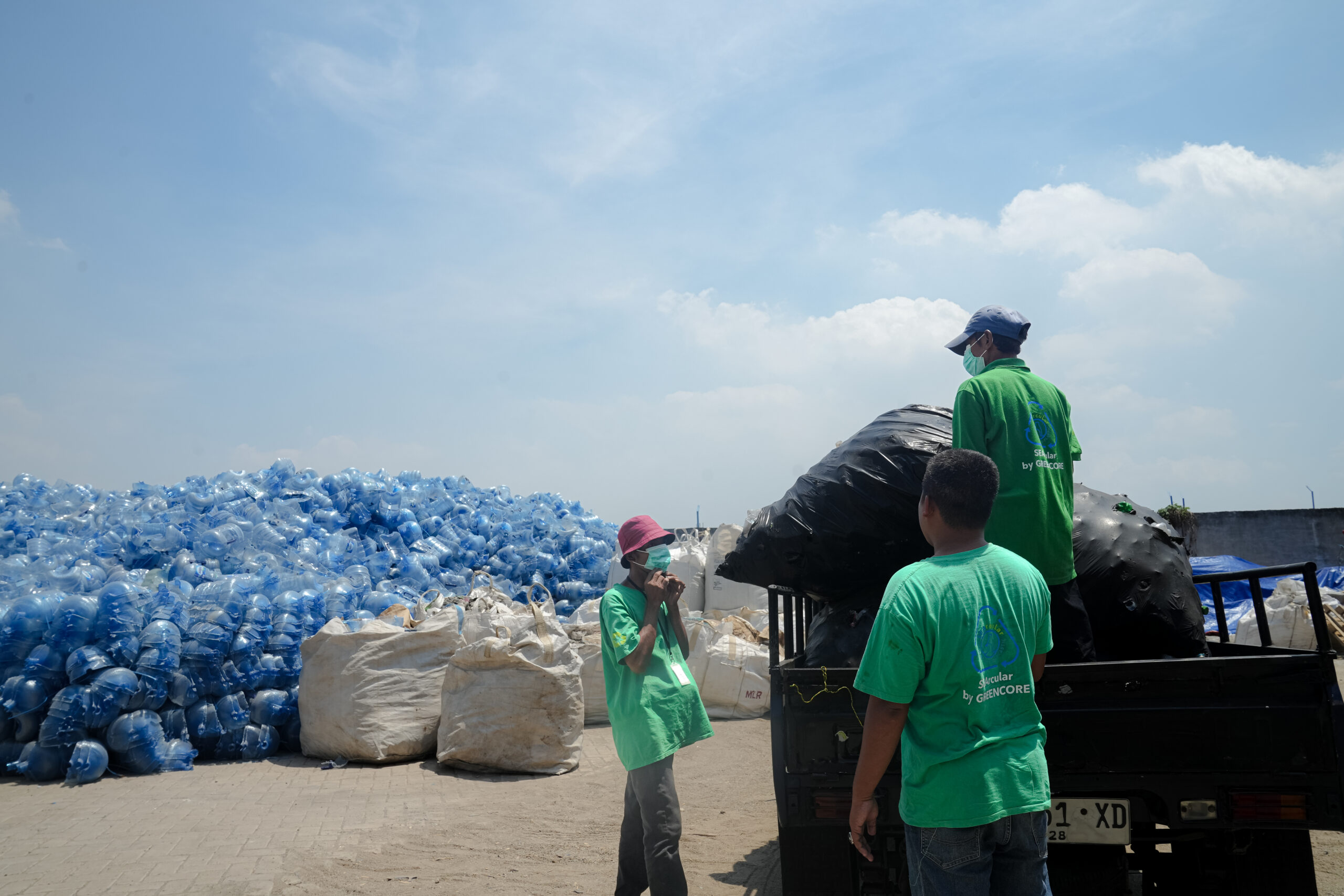
It begins in the hands of someone who picks, sorts, and saves that material from being lost.
Today, that system is more fragile than we admit.
The invisible gap we don’t talk about
Every year, millions of tonnes of plastic are produced. A fraction is recycled.
But between “used” and “recycled” lies a critical, often invisible step: recovery.
Without certified plastic recovery:
- Plastic doesn’t reach recycling facilities
- Valuable material is lost to landfills, waterways, and open environments
- Recycling systems sit idle, underfed, and underutilized
We’ve built narratives around recycling rates.
But we’ve overlooked the supply chain that makes recycling possible at all.
No recovery means no recycling.
It’s that simple.
The people who make recycling possible
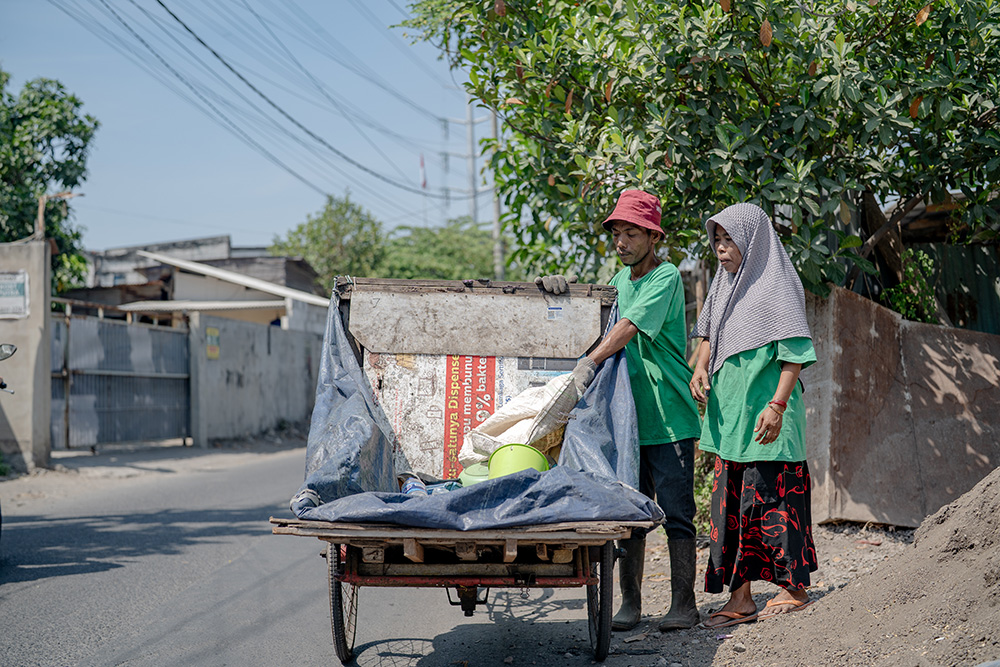
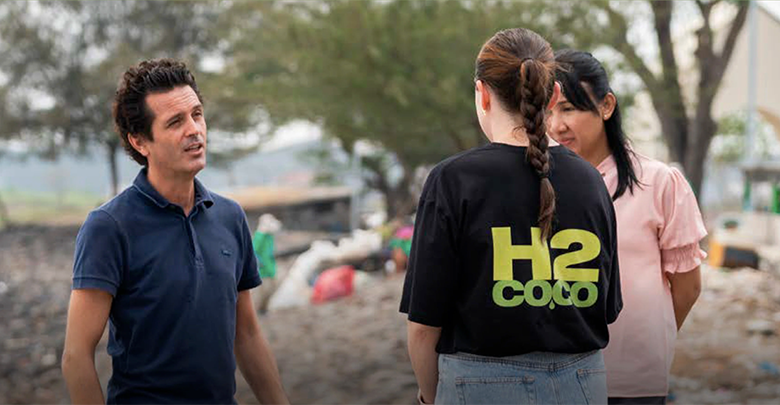
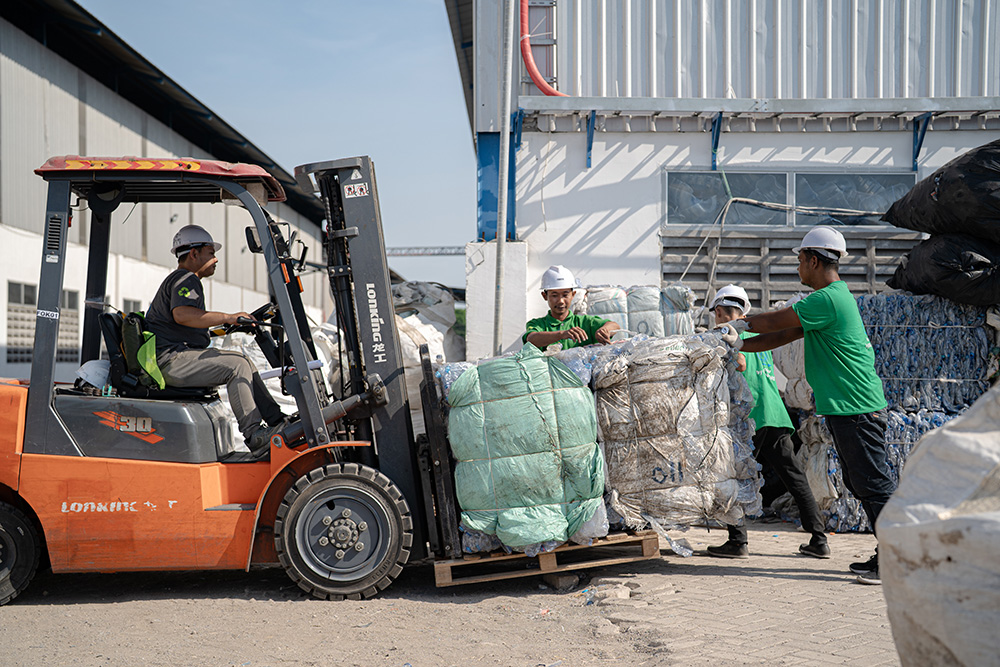
Across the world, waste collectors (often informal and underserved) are the ones who bridge this gap.
They:
- Retrieve plastic from streets, coastlines, and dumpsites
- Sort and prepare materials for recycling
- Ensure that what we discard becomes something reusable
And yet, their work is rarely seen as part of the “recycling system.”
They are treated as invisible.
Underpaid. Undersupported. Unprotected.
But remove them from the equation, and the entire system collapses.
Recycling is a chain
And like any chain, it is only as strong as its weakest link.
We’ve invested heavily in downstream solutions:
Better packaging.
Advanced recycling technologies.
Corporate recycling commitments.
But upstream, where plastic recovery happens, remains underfunded and overlooked.
This is where the real work begins and where impact is created or lost.
A harder, more honest conversation
Global Recycling Day asks us to rethink waste.
But perhaps the better question is: Are we building a recycling system… or just talking about one?
Because if we are serious about circularity, we cannot skip the most human part of the process.
Recovery is an operational and social step.
It determines:
- Who benefits
- Who is protected
- Who is left behind
What brands need to understand
Recycling targets and sustainability claims mean little if the materials never enter the system.
Supporting recycling without supporting recovery is like funding a factory with no raw materials.
If brands want real, traceable impact, the focus must shift from:
- Outputs to inputs
- Recycling to recovery
- Claims to systems that actually work
If nothing is recovered, there is nothing to recycle. No bottles turned into new packaging. No materials kept in circulation. No circular economy.
Just waste.
The way forward

This Global Recycling Day, the conversation needs to evolve. We don’t just need better recycling.
We need better recovery systems. Ones that are funded, verified, human-centered and built to last.
Because when recovery works, everything else follows. Recycling becomes possible. Circularity becomes real. Impact becomes measurable.
A different kind of commitment
If your brand is serious about sustainability, start where it matters most.
Support the systems that recover plastic before it is lost.
Invest in the people who make recycling possible.
Choose solutions that are certified, traceable, and built on real-world impact.
Because the future of recycling doesn’t depend on what we design.
It depends on what we recover.
Ready to support real recovery? Let’s talk.
FAQs
What is Global Recycling Day and why does it matter?
Global Recycling Day, observed every March 18, highlights the role recycling plays in protecting natural resources and reducing waste. It also pushes for stronger, more effective waste systems worldwide.
Does recycling start when we throw something in the bin?
No. Recycling does not begin at disposal. Materials must first be collected, sorted, and recovered before they can be processed. Without recovery, recycling cannot happen.
What is plastic recovery?
Plastic recovery is the process of collecting and retrieving plastic waste before it is lost to landfills or the environment, ensuring it can be reused or recycled.
Why is recovery important in recycling?
Recovery is the foundation of recycling. Without it, there are no materials to process. Supporting recovery systems ensures waste is captured and kept in circulation.
How can brands support plastic recovery?
Brands can support recovery by funding certified programs, partnering with impact organizations such as Plastic Collective, and integrating recovery into their sustainability strategies.