

Every July, millions of people around the world take part in Plastic Free July, a global movement that encourages people to reduce unnecessary plastic in their everyday lives. Whether it’s carrying a reusable coffee cup, refusing plastic cutlery, or bringing a reusable shopping bag, the campaign reminds us that small changes, repeated by enough people, can create meaningful impact.
Reducing unnecessary plastic remains one of the most effective ways to prevent waste before it’s created, and that’s something worth celebrating. Over the past decade, the movement has helped shift public awareness, influenced purchasing decisions, and encouraged businesses to rethink the way products and packaging are designed.
For companies, however, the conversation is becoming more nuanced.
Plastic Free July asks an important question: How can we use less plastic? It is a question every business should continue asking. But as organisations make progress on reducing unnecessary plastic, another question is becoming just as important.
What responsibility do we have for the plastic we still need?
Looking for practical ways to strengthen your plastic strategy?
Discover how Plastic Collective helps businesses combine packaging improvements with verified plastic recovery to create measurable environmental impact.
What is Plastic Free July?
Plastic Free July is a global initiative that encourages individuals, communities, schools, and businesses to reduce unnecessary plastic waste by making simple changes in their daily lives. Since its launch in 2011, the campaign has grown into one of the world’s largest environmental movements, inspiring participation in more than 190 countries.
While many people associate Plastic Free July with refusing disposable items such as straws or shopping bags, its broader purpose is to encourage long-term behavioural change. The campaign invites everyone to think more carefully about the role plastic plays in their lives and where unnecessary waste can be avoided.
For businesses, that conversation extends beyond individual products. It includes packaging design, procurement decisions, supply chains, customer expectations, and the systems that manage materials after they’ve been used.
Why Plastic Free July still matters
One of Plastic Free July’s greatest achievements is that it has changed the conversation around plastic itself.
A decade ago, packaging was rarely something consumers thought about beyond convenience. Today, people increasingly want to know what materials are being used, whether packaging can be recycled, and what businesses are doing to reduce their environmental impact. Investors, retailers, and regulators are asking similar questions, placing greater expectations on organisations to demonstrate genuine progress rather than broad sustainability commitments.
That shift in mindset matters because solving plastic pollution has never been solely about developing new materials or introducing new policies. It also depends on changing behaviours, encouraging innovation, and creating stronger systems that prevent plastic from becoming waste in the first place.
For businesses, Plastic Free July is more than a seasonal campaign. It is an opportunity to reflect on how packaging decisions fit into a broader sustainability strategy.
Not every product can become plastic-free overnight
Reducing unnecessary plastic should always remain a priority, but it’s equally important to recognise that not all plastic serves the same purpose.
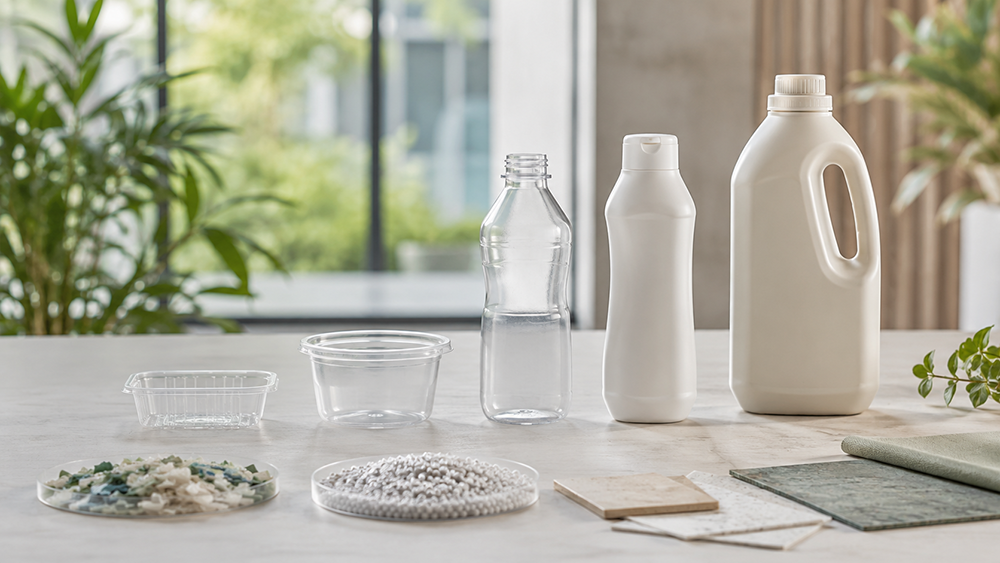
In many industries, plastic continues to perform functions that are difficult to replace. Medical packaging protects sterile equipment and medicines. Food packaging helps reduce contamination and spoilage, extending shelf life and reducing food waste. Lightweight plastic packaging can also lower transport emissions by reducing the weight of products moving through global supply chains.
None of this suggests innovation should slow down. On the contrary, businesses should continue investing in better packaging design, recycled content, refill models, and alternative materials wherever those solutions are practical and effective.
Recognising that some plastics remain necessary is not about lowering expectations. It’s about acknowledging today’s reality so that sustainability conversations can focus on practical progress instead of unrealistic absolutes.
The question businesses should also be asking
For many organisations, sustainability strategies have traditionally focused on reducing, redesigning, or replacing plastic packaging. Those efforts remain essential and should continue.
However, they don’t fully answer a much broader question.
Every day, businesses continue to place products and packaging into the market. Even companies making significant progress towards reducing virgin plastic will continue using some plastic while technologies, infrastructure, and supply chains continue to evolve.
That raises an important challenge.
If plastic remains part of a product today, what responsibility does a business have once that product enters the world?
This is where the conversation is beginning to shift. Rather than thinking only about how to eliminate plastic, more organisations are recognising the importance of taking responsibility for the plastic that still forms part of their products and operations.
Reducing plastic and managing the impact of the plastic that remains are not competing strategies. They are complementary parts of the same journey.
Beyond reduction: building a more complete plastic strategy
The organisations making the greatest progress are rarely relying on a single solution. Instead, they’re combining multiple approaches that work together over time.
They’re removing unnecessary packaging where possible. They’re redesigning products to use fewer materials. They’re increasing recycled content, improving recyclability, and investing in circular packaging systems.
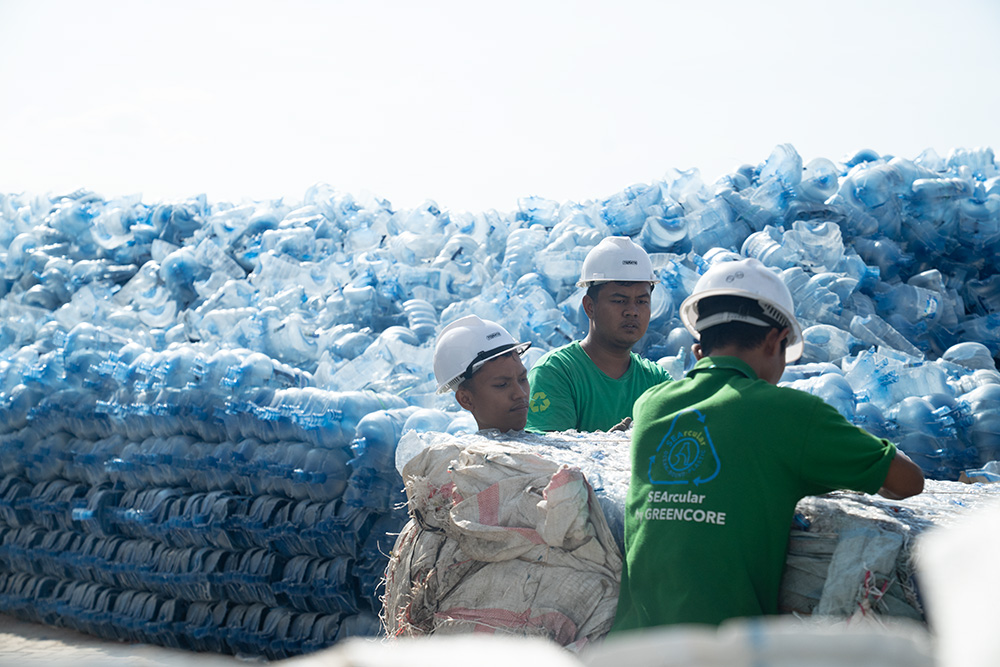
Increasingly, they’re also supporting verified plastic recovery initiatives that address plastic already entering the environment while longer-term packaging transitions continue.
Recovery should never be viewed as a substitute for reduction. Using less plastic will always remain the priority. But recovery recognises an important reality: meaningful change takes time, and businesses still have an opportunity to take responsibility for the plastic they continue to use today.
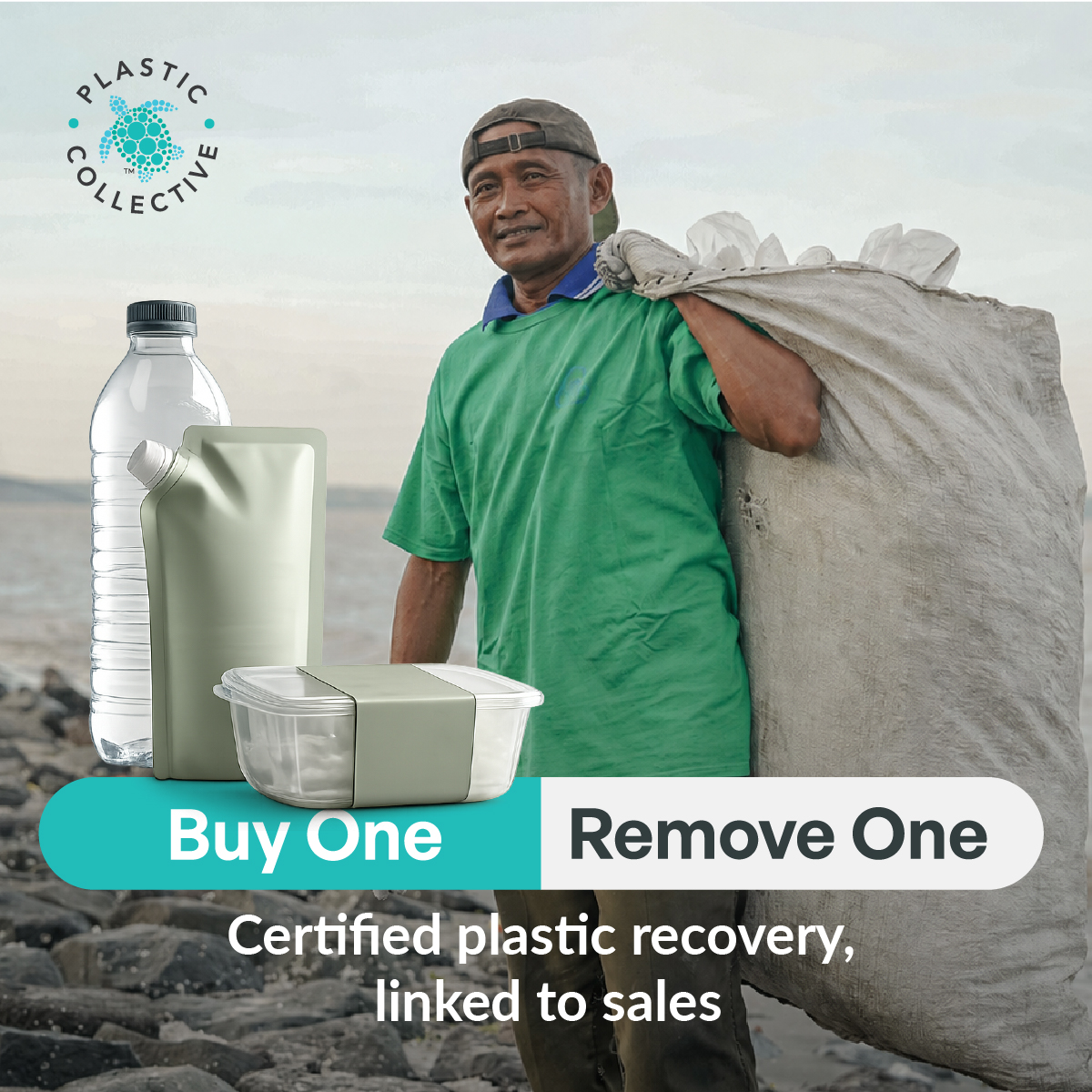
Programs such as Buy One Remove One provide one practical example. By funding the recovery of an equivalent amount of plastic from nature through independently verified collection and recycling programs, businesses can complement their packaging reduction efforts with measurable environmental action.
Want to complement your packaging strategy with measurable impact?
Explore Plastic Collective’s Buy One Remove One solution to build a more credible and accountable plastic strategy.
Progress, not perfection
Plastic Free July has never been about expecting people to eliminate plastic from their lives overnight. Its success comes from encouraging practical action, celebrating incremental progress, and reminding us that meaningful change is built through thousands of better decisions over time.
The same principle applies to businesses.
Continue reducing unnecessary plastic. Continue investing in better packaging. Continue challenging suppliers, improving product design, and exploring new materials.
But don’t stop there.
Ask what responsibility your business has for the plastic that remains today, not just the plastic you hope to eliminate tomorrow.
Because the future of sustainable packaging won’t be defined solely by how much plastic we remove from products. It will also be shaped by how responsibly we manage the plastic that continues to be part of our economy while that transition takes place.
Continue your journey beyond Plastic Free July
Plastic Collective partners with businesses to turn sustainability commitments into measurable action through verified plastic recovery, certification and claims support, and evidence-based environmental solutions.
Explore our Buy One Remove One program and discover how your business can strengthen its sustainability strategy while taking responsibility for the plastic that still matters.
Continue your journey beyond Plastic Free July
Plastic Collective partners with businesses to turn sustainability commitments into measurable action through verified plastic recovery, certification and claims support, and evidence-based environmental solutions.
Explore our Buy One Remove One program and discover how your business can strengthen its sustainability strategy while taking responsibility for the plastic that still matters.
FAQs
What is Plastic Free July?
Plastic Free July is a global movement that encourages individuals, communities, and businesses to reduce unnecessary plastic waste through practical everyday actions that can become long-term habits.
Can businesses participate in Plastic Free July?
Yes. Businesses can review packaging, reduce unnecessary plastic, introduce reusable alternatives where practical, engage employees, and support initiatives that improve plastic recovery and circularity.
Is plastic recovery the same as reducing plastic use?
No. Reducing unnecessary plastic should always come first. Verified plastic recovery complements those efforts by helping address the plastic that continues to be used while businesses transition to more sustainable packaging solutions.
Sources
- Plastic Free Foundation. Plastic Free July. https://www.plasticfreejuly.org
- United Nations Environment Programme. Turning Off the Tap: How the World Can End Plastic Pollution and Create a Circular Economy. https://www.unep.org
- OECD. Global Plastics Outlook. https://www.oecd.org/environment/plastics
- World Bank. What a Waste 2.0. https://openknowledge.worldbank.org
- Ellen MacArthur Foundation. The New Plastics Economy. https://www.ellenmacarthurfoundation.org