

For years, conversations about plastic have centered on a single question: How do we recover more plastic waste?
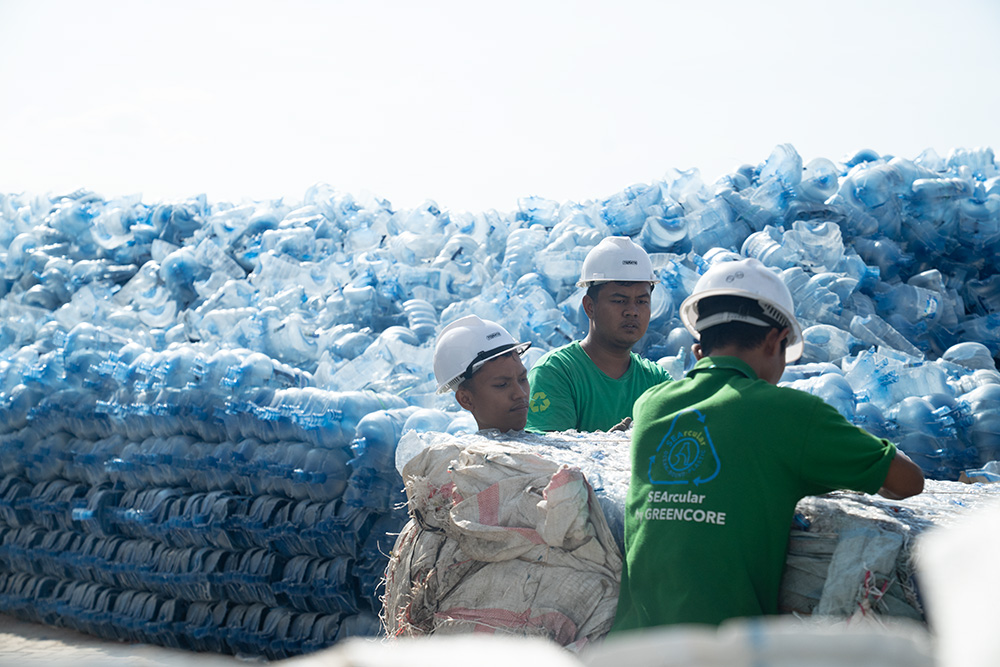
It’s an important question, and one that continues to matter. Plastic recovery helps divert waste from the environment, strengthens collection and recycling systems, and gives businesses a practical way to take responsibility for the plastic they continue to place on the market.
But recovery was never intended to solve the entire problem.
Around the world, governments, regulators, and businesses are beginning to recognize that meaningful progress requires a broader approach. The conversation is expanding beyond what happens to plastic after it’s used to include the decisions that determine how much plastic enters the system in the first place.
As we explored in our Plastic Strategy Framework, the most effective organizations don’t rely on a single sustainability initiative. They build connected strategies that reduce unnecessary plastic, improve packaging design, measure impact, communicate transparently, and recover the plastic that remains.
Recovery remains an essential part of that journey. It just isn’t the whole journey.
Looking to build a more complete plastic strategy?
Explore Plastic Collective’s Certified Plastic Recovery solution to strengthen your sustainability strategy with measurable outcomes.
The conversation is shifting
Recent developments in the Philippines illustrate how quickly expectations are evolving.
As the country continues implementing its Extended Producer Responsibility (EPR) framework, policymakers are placing greater emphasis not only on recovery targets, but also on waste prevention, reuse and refill systems, improved packaging design, recycled content, and reducing unnecessary plastic.
The Philippines isn’t unique.
Similar priorities are emerging across the European Union, North America, and other regions as governments recognize that long-term solutions require action throughout the entire lifecycle of plastic, not just at its end.
This represents an important shift for businesses. Plastic recovery is increasingly viewed as one component of a broader sustainability strategy rather than the strategy itself.
Recovery addresses one part of the lifecycle
Plastic recovery plays an essential role because it addresses waste that already exists or continues to enter the market. It supports collection infrastructure, creates demand for recovered materials, and helps prevent plastic leakage into the environment.
However, recovery cannot influence decisions that happen much earlier.
It doesn’t determine whether unnecessary packaging was avoided. It doesn’t influence whether recycled content was used, whether packaging was designed for recyclability, or whether refill systems were considered during product development.
Those decisions are made long before a product reaches a recycling facility.
That’s why businesses are increasingly looking beyond individual initiatives and focusing on the entire lifecycle of packaging.
What a complete plastic strategy looks like
The organizations making the greatest progress recognize that no single initiative can solve plastic pollution.
Instead, they’re combining multiple approaches that reinforce one another.
A mature plastic strategy typically includes:
- Reducing unnecessary plastic wherever possible
- Designing packaging for recyclability or reuse
- Increasing recycled content
- Supporting verified plastic recovery for the plastic that remains
- Measuring progress and communicating it transparently
Each initiative addresses a different part of the lifecycle.
Together, they create a strategy that is more resilient, more credible, and better prepared for changing expectations.
Why this matters for businesses
Consumers, retailers, investors, and regulators are asking increasingly sophisticated questions about sustainability.
It’s no longer enough to point to one environmental initiative and consider the job done.
Organizations are expected to demonstrate that they’re reducing unnecessary plastic, improving packaging, supporting recovery, measuring outcomes, and backing sustainability claims with credible evidence.
Businesses that adopt this broader approach are better positioned to strengthen customer trust, respond to evolving regulations, and adapt as expectations continue to change.
More importantly, they create sustainability strategies that are capable of growing with the business rather than reacting to individual regulations or market pressures.
Recovery still has an essential role
Recognizing the importance of prevention doesn’t diminish the value of recovery.
Many products, particularly in food, healthcare, personal care, and household sectors, continue to rely on plastic because it provides safety, hygiene, durability, and performance that alternative materials cannot always deliver.
Until those materials can be replaced at scale, recovery remains an important way for businesses to take responsibility for the plastic they continue to use.
The question isn’t whether organizations should choose recovery or prevention.
The strongest organizations understand they need both.
Building strategies for what’s next
The direction of travel is becoming increasingly clear.
Governments are broadening their focus from waste management to prevention, circular design, material efficiency, and producer accountability. Businesses that continue relying on a single sustainability initiative are likely to find themselves responding to new expectations rather than preparing for them.
The organizations leading the next decade will be those that build strategies spanning the entire lifecycle of plastic, from material selection and packaging design through to verified recovery, transparent reporting, and measurable impact.
Because the strongest plastic strategies don’t begin with recovery.
They include it.
Build a plastic strategy for the entire lifecycle
Plastic Collective helps businesses create practical, evidence-based strategies that connect packaging design, recovery, measurement, and credible environmental claims.
Connect with us and discover how to build a plastic strategy that goes beyond recovery.
FAQs
Is plastic recovery enough to address plastic pollution?
Plastic recovery is an important part of addressing plastic pollution, but it cannot solve the problem on its own. Recovery deals with plastic after it has been used, while a complete plastic strategy also considers how much plastic is introduced, how packaging is designed, whether recycled content can be used, and how environmental outcomes are measured. The strongest strategies combine prevention, better design, recycled content, and verified recovery.
What is a complete plastic strategy?
A complete plastic strategy addresses the entire lifecycle of plastic, from material selection and packaging design to use, recovery, and reporting. It may include eliminating unnecessary plastic, improving recyclability or reuse, increasing recycled content, measuring a company’s plastic footprint, and supporting verified recovery for the plastic that cannot yet be removed.
Why should businesses combine plastic prevention and recovery?
Prevention and recovery address different parts of the plastic lifecycle. Prevention reduces the amount of unnecessary plastic entering the market, while recovery helps manage the plastic that is still needed and used. Combining both allows businesses to reduce their impact, respond to changing regulations, and take more credible responsibility for their packaging.