

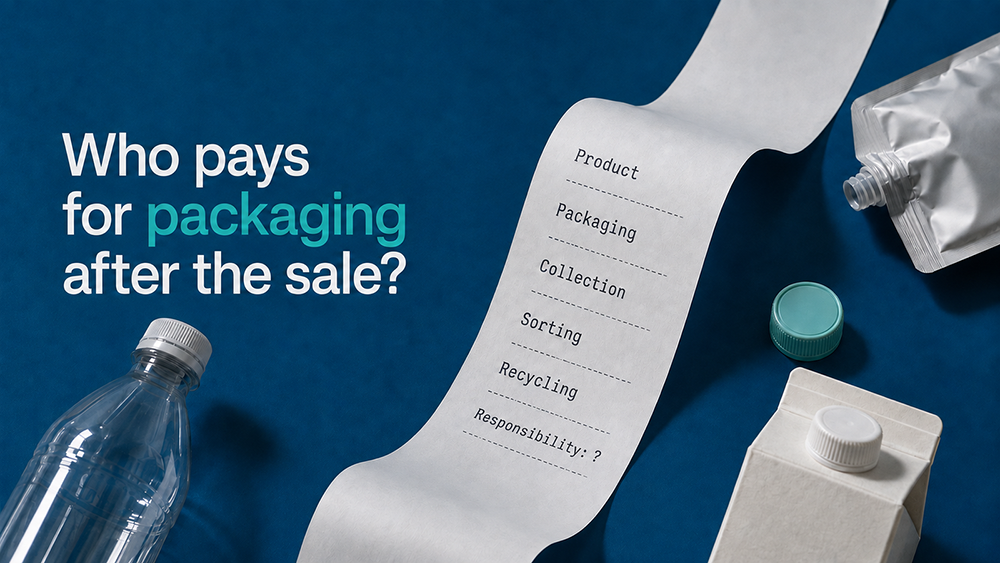
Every day, businesses decide what packaging enters the market. They choose the materials. They approve the design. They sell the product.
But once that packaging has been opened, used, and thrown away, who is responsible for what happens next?
For more than two decades, Australia has answered that question through a co-regulatory system that shares responsibility between government and industry. While the framework has driven important progress, it has also revealed its limitations. National packaging targets have been missed, reporting has been inconsistent, and questions remain about whether the current system creates enough accountability for the businesses placing packaging on the market.
Now, that conversation is changing.
The Australian Government is developing reforms to strengthen the country’s packaging framework, while a separate private senator’s bill proposes a national Extended Producer Responsibility (EPR) scheme for packaging. Although these are separate processes, they point in the same direction: producer responsibility is becoming a much bigger part of Australia’s packaging future.
The question is no longer simply how to recycle more packaging.
It’s whether responsibility should end once the product is sold.
Preparing for stronger producer responsibility?
Discover how Plastic Collective helps businesses build practical plastic strategies here.
How Australia’s packaging framework works today
Australia’s current packaging system combines government regulation with industry-led stewardship. Businesses above certain thresholds are generally required to participate through the Australian Packaging Covenant Organisation (APCO), comply with state and territory requirements, or join another approved co-regulatory arrangement established under the Used Packaging Materials National Environment Protection Measure (NEPM). The framework was designed to encourage collaboration between government and industry while giving businesses flexibility in how they met their obligations.
For many years, this co-regulatory model was intended to improve packaging sustainability through shared responsibility rather than prescriptive regulation. However, as expectations around packaging sustainability have evolved, questions have emerged about whether the current framework is delivering consistent outcomes across Australia. A 2021 independent review identified challenges including inconsistent implementation, unclear obligations, limited performance data, and the ongoing issue of free riders.
Why the current model is under pressure
Australia’s packaging framework has achieved important progress, but it has also faced growing criticism.
An independent review commissioned by the Australian Government in 2021 identified several challenges, including inconsistent implementation across jurisdictions, unclear obligations for some businesses, limited performance data, and the ongoing issue of free riders, which are companies that benefit from the system without contributing to it.
Performance against Australia’s National Packaging Targets has also highlighted the scale of the challenge.
The latest APCO reporting shows that while progress has been made in areas such as recycled content and packaging design, Australia did not achieve several of its 2025 targets. Most notably, only around 20% of plastic packaging was recycled or composted, well below the national target of 70%.
These outcomes have prompted a broader discussion about whether Australia’s existing framework provides enough accountability for the businesses introducing packaging into the market.
What is changing?
Australia is currently considering two separate developments that could reshape packaging responsibility.
The first is the Australian Government’s ongoing packaging reform program. Through consultation with industry, government, and other stakeholders, proposed reforms include stronger national requirements for packaging design, recycled content, packaging labeling, and producer responsibility.
The second is a private senator’s bill that proposes introducing a nationally consistent Extended Producer Responsibility scheme for packaging.
Importantly, these are separate processes.
At the time of writing, the proposed legislation has not been passed, and the Australian Government’s broader reform process remains under development. Businesses should avoid assuming that any particular model has already been adopted.
What both processes do demonstrate, however, is the direction of travel. Australia is moving toward greater producer accountability.

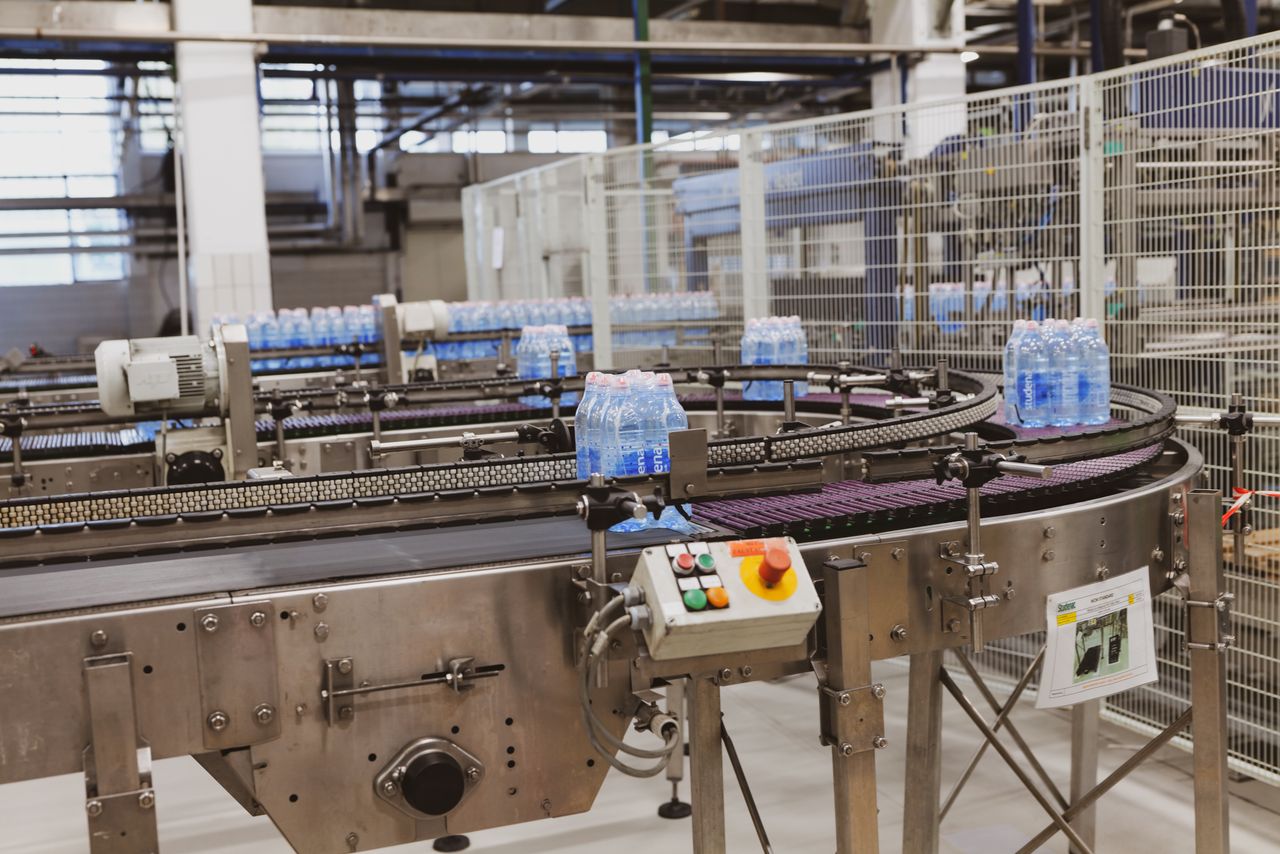
Photo by MART PRODUCTION from Pexels
The bigger shift: responsibility doesn’t end at the checkout
The debate isn’t really about legislation. It’s about responsibility.
For decades, businesses have primarily been responsible for designing products, manufacturing them, and bringing them to market. What happened after consumers disposed of the packaging was often viewed as a waste management issue.
That distinction is becoming increasingly blurred.
Around the world, governments are placing greater emphasis on producer responsibility because they recognize that many of the decisions influencing waste are made long before a product reaches the consumer. Material selection, packaging design, recycled content, and product formats all influence what happens after disposal.
Australia is not alone in asking these questions. Similar conversations are taking place across the European Union, the United States, Canada, and parts of Asia as governments seek to reduce waste while encouraging more circular packaging systems.
The direction is increasingly clear.
Businesses are being asked to think about the entire lifecycle of packaging, not just the point of sale.
What businesses can do now
Whether Australia’s regulatory framework changes this year or several years from now, the organizations best prepared will be those that begin building stronger packaging strategies today.
That starts with understanding what packaging enters the market and where the biggest opportunities for improvement exist.
Leading businesses are already:
- Measuring their packaging footprint
- Reducing unnecessary plastic wherever possible
- Redesigning packaging for recyclability and circularity
- Increasing recycled content
- Strengthening packaging data and reporting
- Preparing for greater transparency
- Supporting verified collection and recycling for the plastic that cannot yet be eliminated
Verified recovery should not be viewed as a substitute for better packaging design or plastic reduction.
Instead, it complements these efforts by helping businesses take responsibility for the plastic that continues to be used while longer-term packaging transitions take place.
This broader approach reflects what we describe in the Plastic Strategy Framework: reducing unnecessary plastic where possible, designing better packaging, increasing recycled content, measuring progress, and supporting credible recovery for the plastic that remains.
Producer responsibility is becoming business responsibility
Australia’s packaging rules may continue to evolve over the coming years. The broader principle behind them is already becoming clear. Responsibility is moving upstream.
Increasingly, governments, customers, retailers, and investors expect businesses to think beyond the point of sale and consider the entire lifecycle of the packaging they introduce into the market.
The organizations that prepare now won’t simply be ready for future regulation. They’ll be better positioned to build trust, strengthen sustainability performance, and create more resilient businesses.
Because the question is no longer whether packaging can be recycled. It’s a much broader one.
What responsibility does your business accept for the packaging it puts into the world?
Build a plastic strategy that prepares you for what’s next
Whether you’re preparing for future producer responsibility requirements, improving packaging design, or strengthening sustainability claims, Plastic Collective helps businesses build practical, evidence-based strategies that create measurable impact.
Explore our Buy One Remove One program to build a plastic strategy that goes beyond compliance.
FAQs
What is producer responsibility?
Producer responsibility is the principle that businesses should take responsibility for the environmental impacts of the products and packaging they place on the market, including what happens after consumers have finished using them.
How does Australia's current packaging framework work?
Australia currently uses a co-regulatory model that combines government legislation with industry participation through the Australian Packaging Covenant Organisation (APCO) and other approved arrangements under the Used Packaging Materials NEPM.
Has Australia introduced a national packaging EPR scheme?
Not yet. The Australian Government is developing packaging reforms, while a separate private senator’s bill proposing a national packaging EPR scheme is being considered by Parliament. These are separate processes, and businesses should continue monitoring future developments.