

Sustainability marketing often fails for one simple reason: the message becomes bigger than the action behind it.
The strongest brands take a different approach. They start with something real, decide what customers actually need to understand, and communicate it in a way that fits the brand.
H2coco, August and Cozycove show three different ways this can work. Not through abstract promises, but through clear, measurable plastic action.
1. H2coco: make the commitment easy to understand
H2coco is an Australian beverage brand that publicly acknowledges its environmental impact and its responsibility to act.
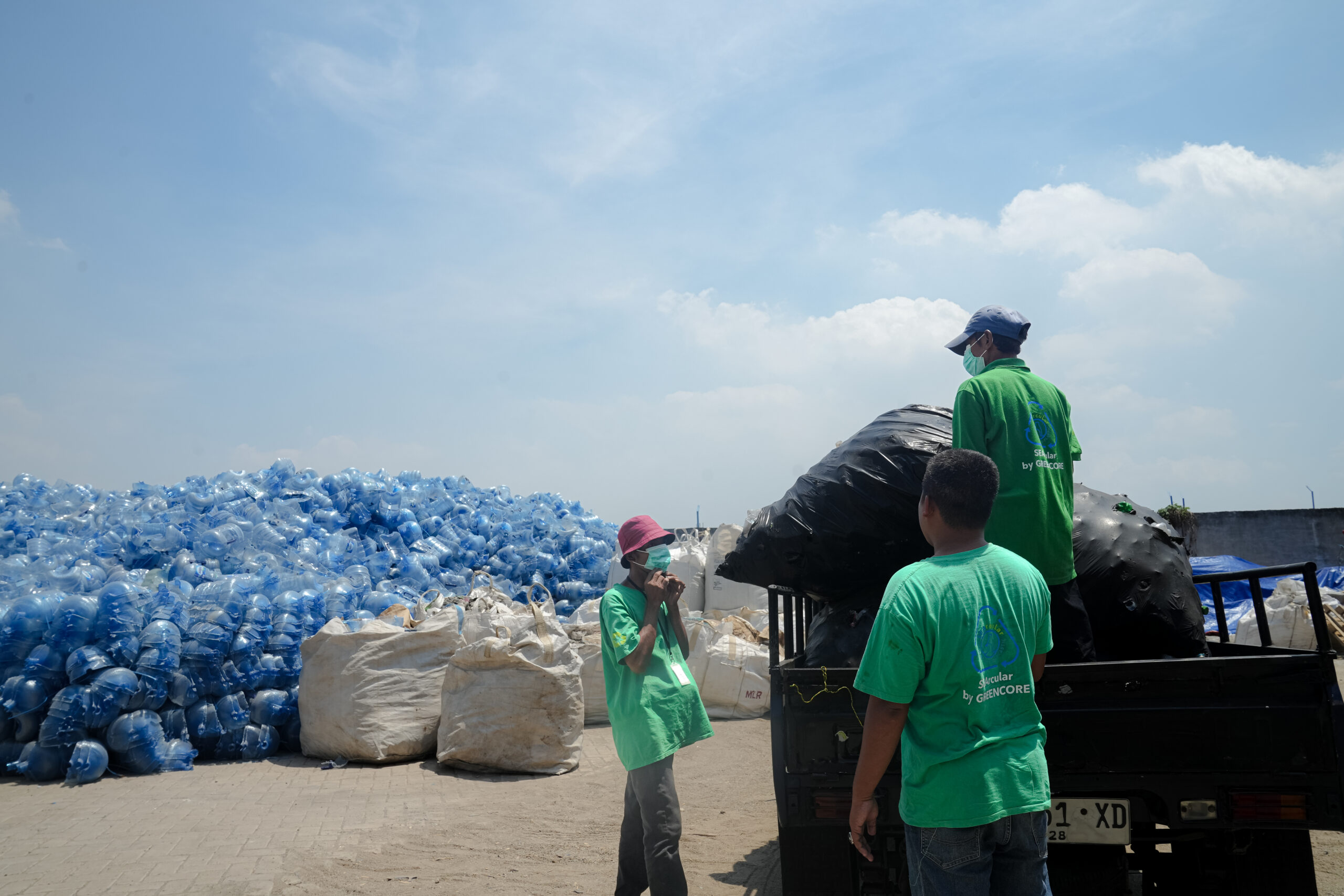
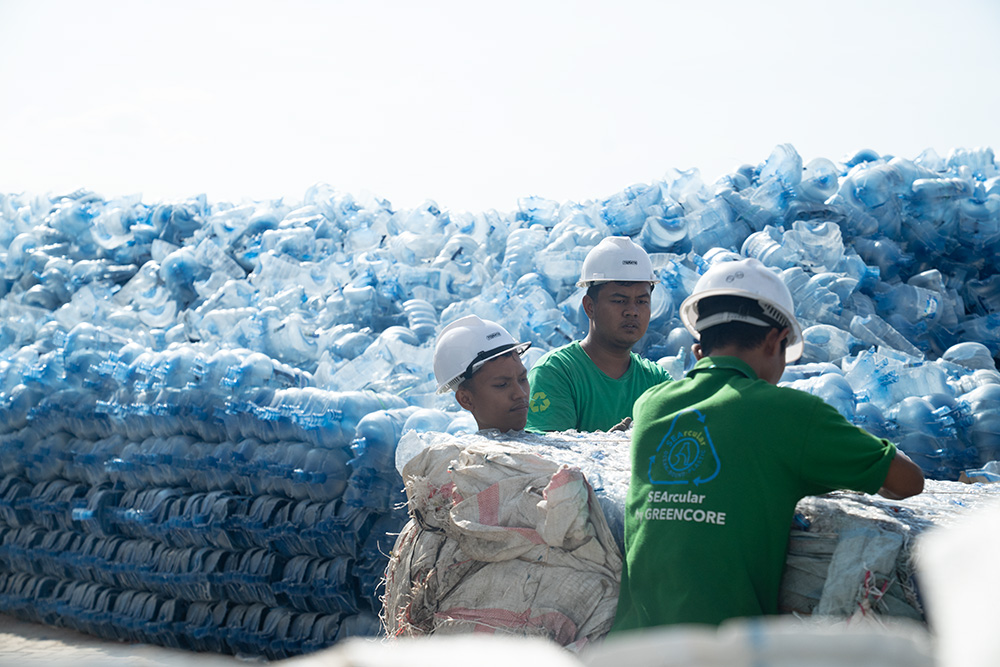
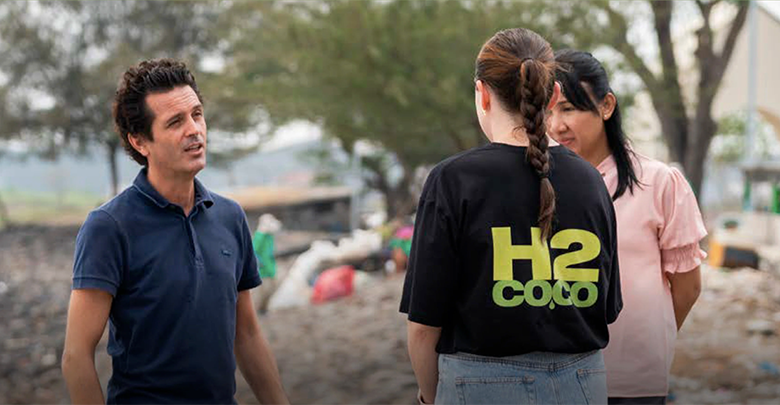
Through its partnership with Plastic Collective, H2coco achieved 100% Net Plastic Collected certification by supporting the SEArcular by Greencore project in Indonesia. The programme collects an amount of plastic equivalent to H2coco’s assessed plastic footprint.
The communication works because the central idea is straightforward.
The brand has measured the plastic connected to its business and is supporting certified collection in response.
Customers do not need to understand the entire plastic-credit system before they can grasp the commitment.
The lesson for other brands
Clarity is often more persuasive than complexity. A sustainability message should make the action immediately understandable, while giving customers access to more detailed information when they want it.
The challenge is not to make the claim sound bigger. It is to make the action easier to understand.

2. August: show progress without pretending the problem is solved
August began working with Plastic Collective in 2023 to address plastic associated with its period-care products and packaging.
From 2023 to 2025, the brand supported the collection and recycling of 22 tonnes of plastic each year through the Greencore project in Indonesia, totalling 66 tonnes over three years. In 2026, August renewed the partnership for a further three years and began supporting the ASASE Foundation project in Ghana.
August communicates the programme through its 100% Net Plastic Recycled at End of Life claim. But the stronger part of the story is the context around it.
The brand explains that the claim refers to an equivalent amount of plastic being collected and recycled through certified projects. It does not suggest that its products contain no plastic or that every aspect of its plastic impact has been solved.
August also communicates the changes it is making directly to products and packaging, including removing certain plastic wrappers and film and exploring more circular alternatives.
This creates a more credible story. Recovery is presented as action being taken now, while reduction and redesign continue.
The lesson for other brands
Sustainability marketing becomes more believable when brands are willing to explain the limits of what they have achieved.
Customers do not necessarily expect perfection. They do expect honesty. A well-defined claim can be more powerful than an ambitious statement that leaves important questions unanswered.
3. Cozycove: give customers a role in the impact
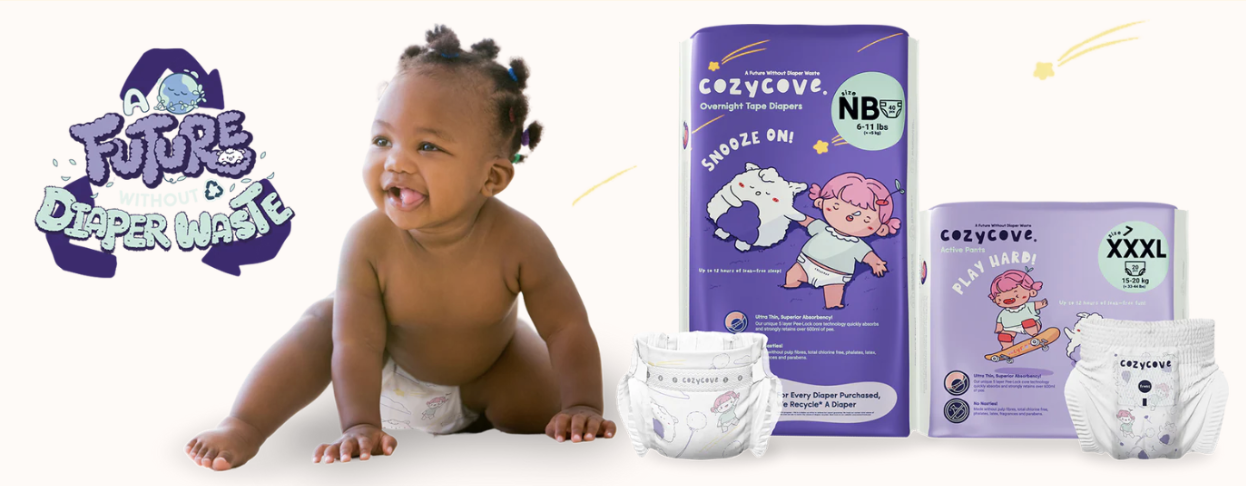
Cozycove approaches the message differently. The reusable diaper brand connects every purchase with support for the SEArcular by Greencore project in Indonesia. In the first period of the partnership, Cozycove purchased 25 Plastic Recycling Credits representing 25 tonnes of recycled plastic.
This creates a direct connection between the customer, the product and the wider recovery programme. The sustainability story is not presented as something happening somewhere in the business, separate from the customer experience. It becomes part of the purchase itself.
That approach also fits the brand. Cozycove already positions reusable diapers as an alternative to disposable systems and publicly discusses reducing plastic in its packaging. The recovery partnership extends that existing story rather than introducing an unrelated campaign.
The lesson for other brands
Customers are more likely to engage with sustainability when they can see how their purchase connects to the outcome. But the connection must be specific.
“Every purchase makes a difference” is easy to say. It becomes more meaningful when the brand can explain what is being supported, how much impact is involved and how the result is verified.
Three brands, three different approaches
Brand
Communication approach
Why it works
H2Coco
A simple commitment linked to its assessed plastic footprint
Customers can understand the action quickly
August
A long-term partnership communicated with context and clear limitations
Transparency makes the claim more credible
Cozycove
A purchase-linked message connected to a verified recycling programme
Customers can see their role in the wider outcome
H2coco
Communication approach:
A simple commitment linked to its assessed plastic footprint
Why it works:
Customers can understand the action quickly
August
Communication approach:
A long-term partnership communicated with context and clear limitations
Why it works:
Transparency makes the claim more credible
Cozycove
Communication approach:
A purchase-linked message connected to a verified recycling programme
Why it works:
Customers can see their role in the wider outcome
The important point is that none of these brands communicate in exactly the same way. And they should not.
The right sustainability message depends on what the business has actually done, how that action connects to its products and what its customers need to understand.
What brands should take from these examples
Start with the action, not the campaign
The message should come after the programme has been defined.
Before deciding what to say, a brand needs to know what it is addressing, what the programme covers and how the outcome will be measured.
Choose the message that fits the brand
H2coco leads with a clear footprint-level commitment. August focuses on long-term progress and transparency. Cozycove makes the customer part of the story. Each approach works because it is relevant to the brand behind it.
Make the proof available
The customer-facing message can be concise, but the evidence behind it should not be difficult to find.
Public disclosures, impact dashboards, registry records and project information allow brands to communicate simply without asking customers to take the claim on trust. Plastic Collective supports this through certified plastic recovery projects, digital tracking and audit-ready reporting.
Sustainability marketing should make action visible
The strongest sustainability marketing does not rely on broad promises. It shows what the brand is doing, why the action matters and how the outcome can be trusted.
H2coco makes its commitment easy to grasp. August shows that transparency can strengthen a sustainability message. Cozycove demonstrates how customer purchases can be connected to a measurable recovery programme.
Different approaches, but the same underlying principle:
The marketing becomes stronger when the action comes first.
Plastic Collective helps brands measure their plastic impact, support certified recovery and turn verified outcomes into communications customers can understand.
Turn plastic action into a credible brand story
Build a plastic recovery programme supported by measurable outcomes, independent certification and communications aligned with what your business has actually achieved.
Speak with Plastic Collective about developing a verified plastic recovery programme for your brand.
FAQs
What makes sustainability marketing credible?
Credible sustainability marketing starts with measurable action rather than broad environmental claims. Brands build trust by communicating specific initiatives, explaining what has been achieved, and supporting their claims with transparent reporting or third-party verification.
How can brands avoid greenwashing in sustainability marketing?
Brands can reduce the risk of greenwashing by making accurate, evidence-based claims that reflect what they have actually achieved. Clear language, measurable outcomes, and accessible proof help customers understand the impact without overstating it.
Why are sustainability marketing examples important?
Real-world examples show how different brands communicate environmental action in ways that fit their products, audiences, and values. Rather than copying a single approach, businesses can learn how to build messages that are authentic, transparent, and supported by credible evidence.