PLASTIC RECOVERY SOLUTIONS FOR BRANDS
Recyclable does not mean recovered
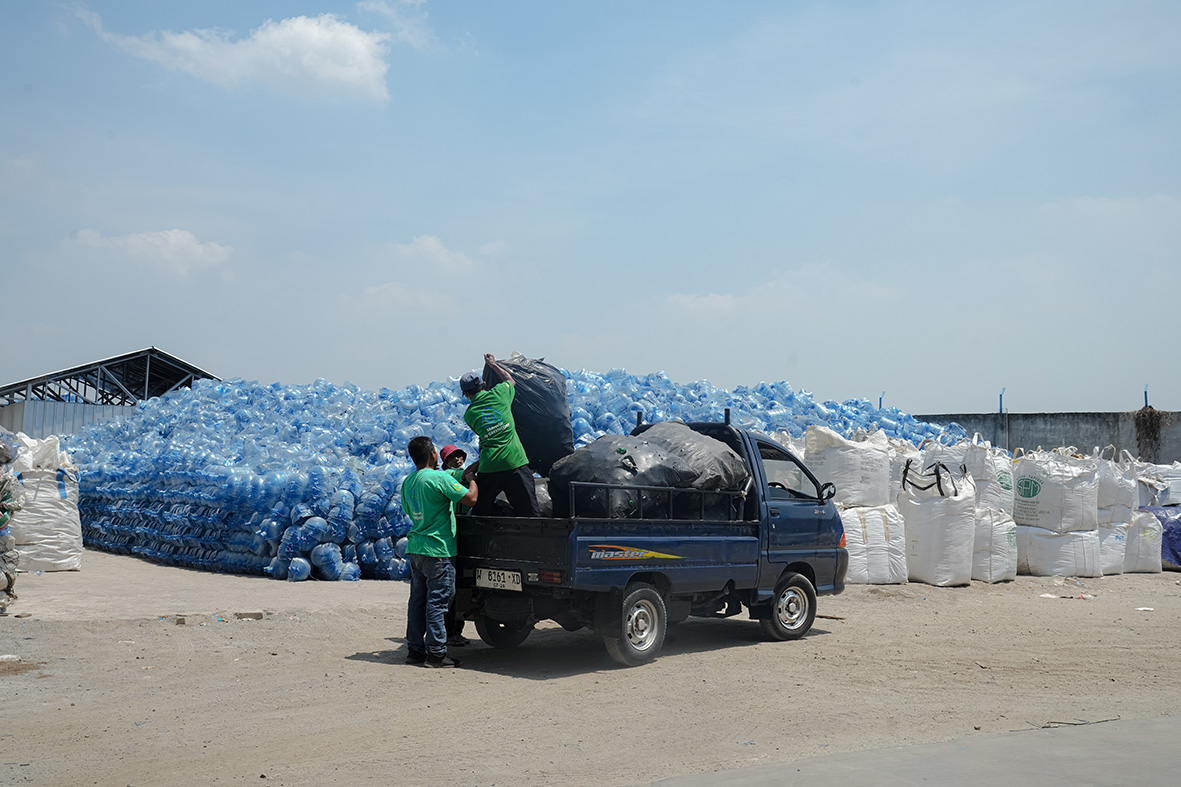
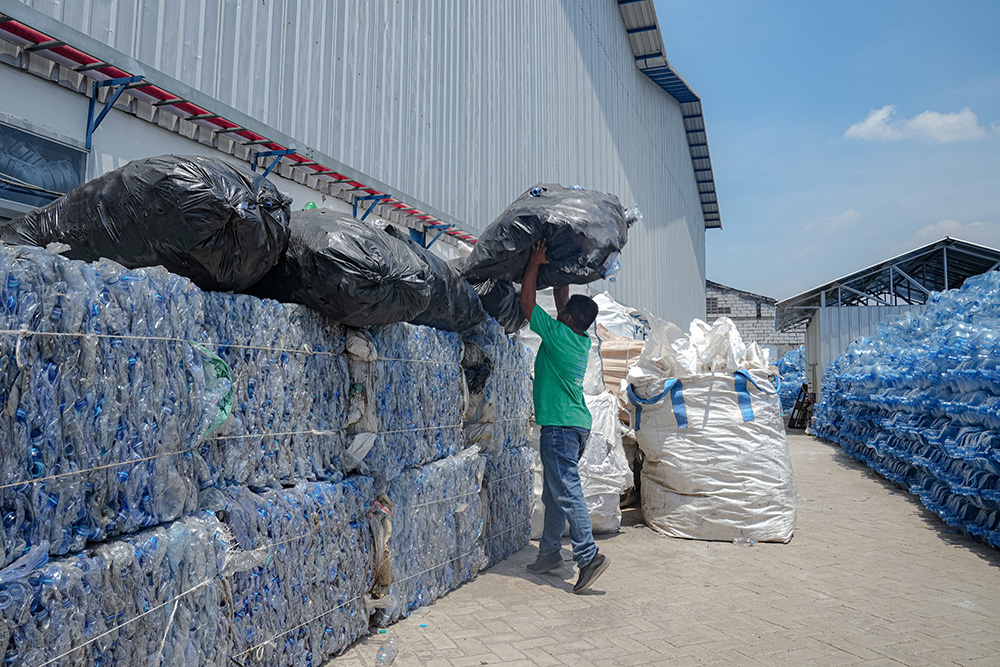
Most plastic packaging never makes it back into a real recovery system. Plastic Collective helps brands support certified plastic recovery through real-world recovery programs, collection systems, and measurable recovery outcomes.
Recycling systems are not keeping up with packaging
Packaging volumes continue to grow, but recovery infrastructure remains inconsistent across many regions.
Many brands are now facing:
Limited recovery access
Fragmented waste systems
Low collection rates
Infrastructure gaps
Pressure to take measurable action
That disconnect between packaging and recovery is where plastic leakage continues to grow.
Certified plastic recovery solutions
Plastic Collective helps brands support:
Plastic recovery
programs
Community-based
collection systems
Plastic
credits
Recovery
partnerships
Traceable collection
and diversion
Verified recovery
outcomes
Designed for brands looking to take practical action while broader packaging transitions continue.
How our plastic recovery solutions work
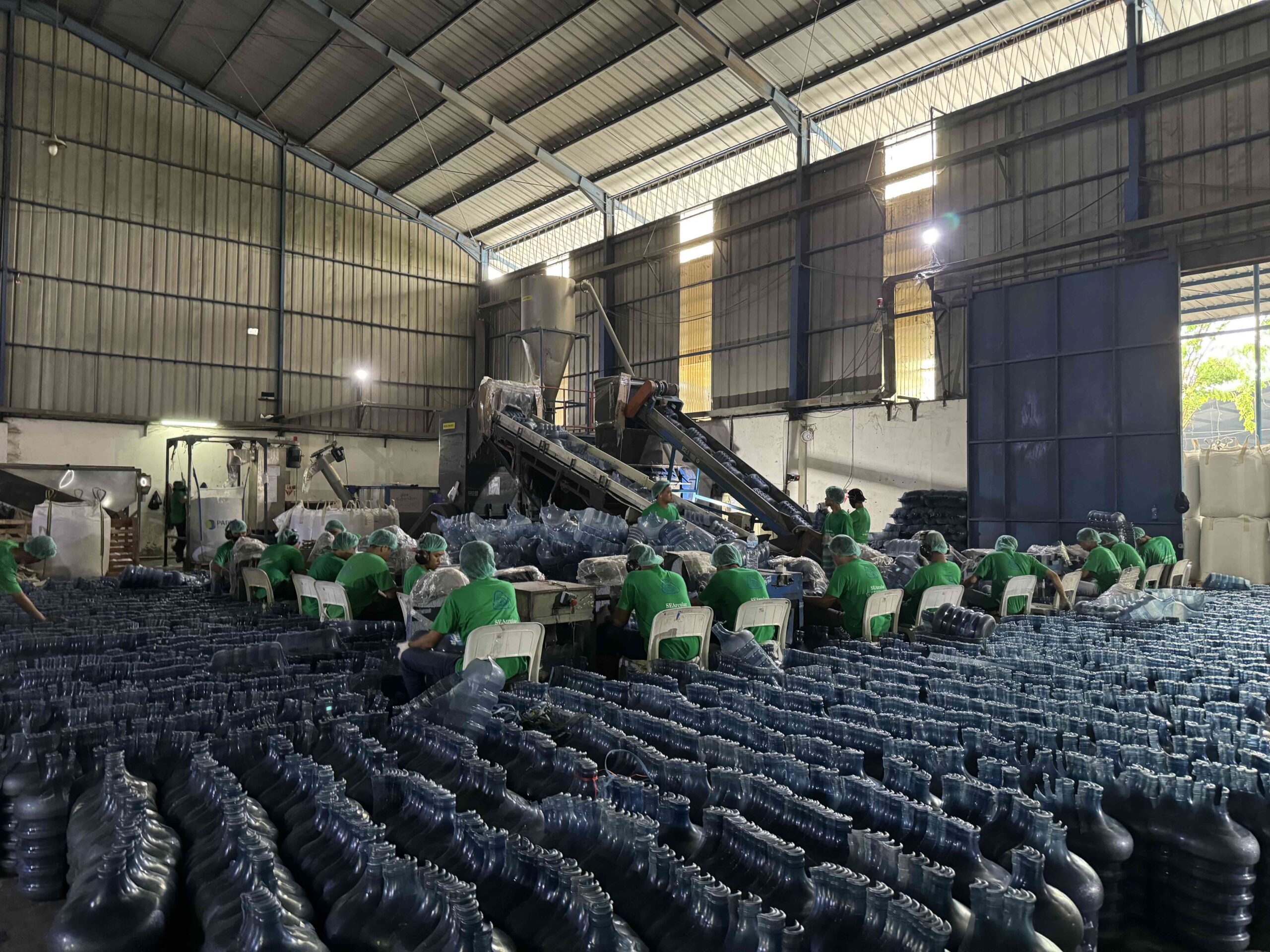
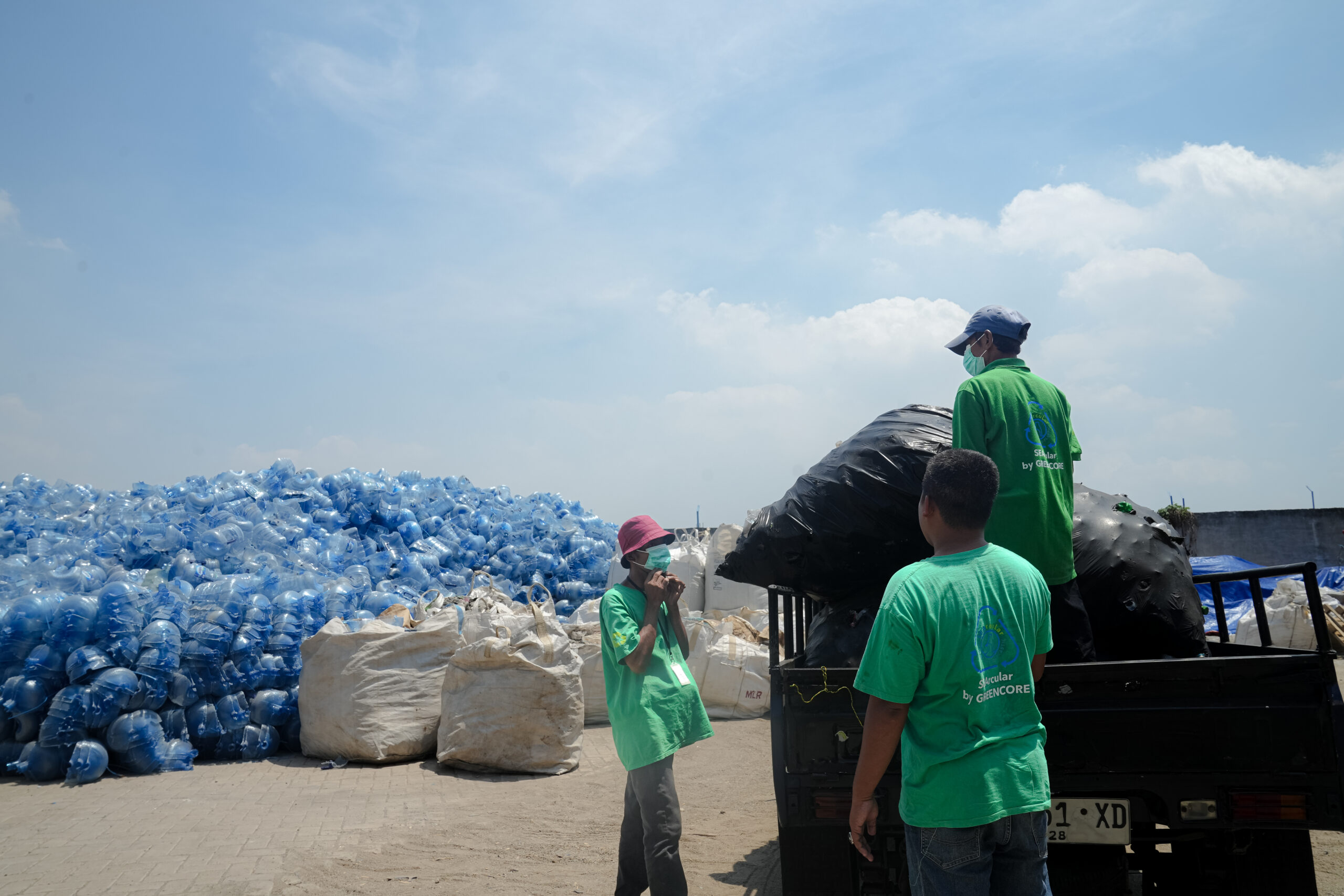
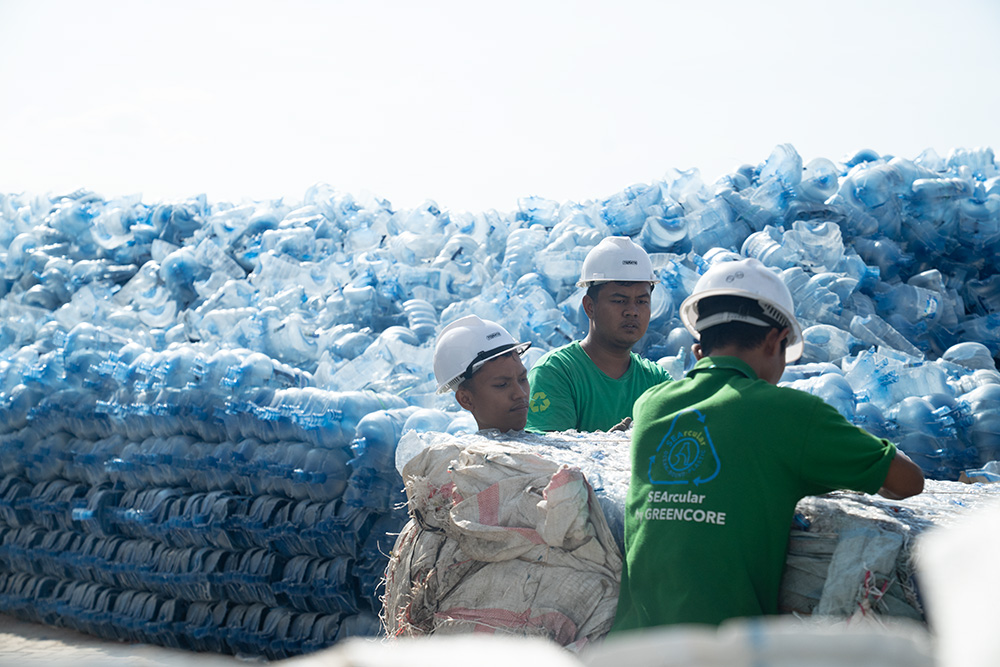
We work with recovery initiatives in regions where waste leakage is highest and recovery infrastructure is often limited.
Our approach focuses on:
Local recovery systems
Community-centred collection
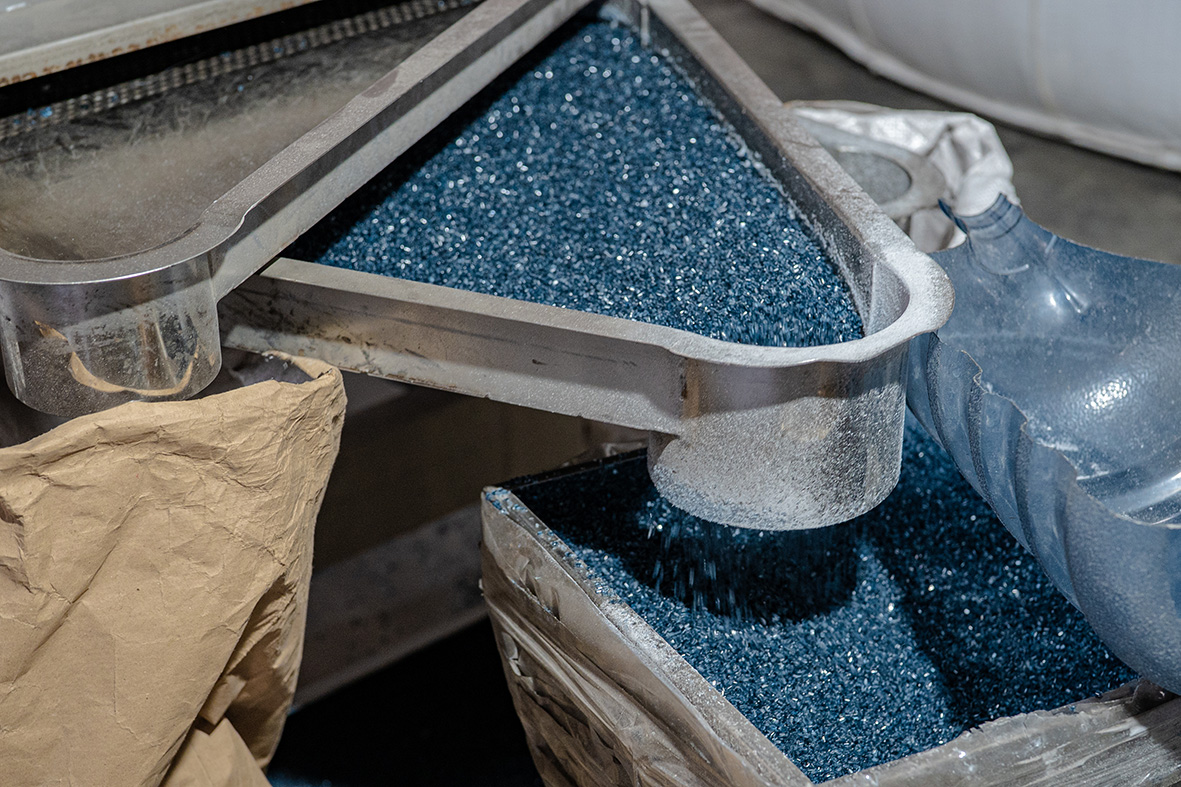
Traceable material flows
Long-term recovery support
Measurable recovery outcomes
Helping brands move beyond theoretical recyclability and support recovery where it is needed most.
Build a recovery strategy grounded in real-world systems
Whether you are exploring plastic credits, evaluating recovery partners, or building a broader sustainability roadmap, we can help you understand what practical recovery looks like in real-world conditions.
No obligation. Just practical guidance on recovery pathways, infrastructure realities, and impact opportunities.
Why brands work with Plastic Collective
Real-world recovery
focus
Built around practical recovery systems, not theoretical outcomes.
Community-centred programs
Supporting local collection ecosystems and livelihood creation.
Traceable recovery pathways
Focused on clearer visibility across collection and recovery activities.
Commercially practical solutions
Designed to work alongside existing packaging and sustainability strategies.
Designed for brands
taking action on plastic recovery
Relevant for:
FMCG brands
Retailers
Hospitality groups
Consumer product companies
Packaging teams
ESG and sustainability teams
Especially those working on:
Plastic reduction commitments
Recovery partnerships
Packaging sustainability strategies
ESG programs
Retailer expectations
Plastic recovery requires more than recyclable packaging
It requires systems that can actually recover material in the real world. Let’s build a recovery strategy grounded in practical action.
Speak to our team about plastic stewardship compliance.
Learn how you can reach your EPR goals, activate certified recovery, or get your Plastic Impact Plan.
Latest Posts
Plastic Free July: What about the plastic we still need?
Every July, millions of people around the world take part in Plastic Free July, a global movement that encourages people
Design for recyclability: why it fails in practice (and what companies miss)
Design for recyclability (DfR) has become one of the most widely discussed concepts in sustainable packaging. Brands are redesigning packaging
Responsible End Markets (REM): How US EPR laws are reshaping demand for recycled plastic
Across the United States, packaging Extended Producer Responsibility (EPR) laws are evolving rapidly and, with them, a major shift in
What packaging teams should know about EU PPWR packaging requirements
The EU PPWR introduces “Design for Recyclability” performance grades that become stricter over time. (See Annex II, Tables 1 &
“Recyclable” doesn’t mean recycled: The claims gap putting US brands at risk
Most recyclable packaging claims in the US don’t reflect reality. Packaging can be technically recyclable and still never be recycled.
Packaging sustainability claims: why they fail internal approval (and how to fix it)
Packaging sustainability claims should be straightforward. If your product is doing good, you should be able to say it. But