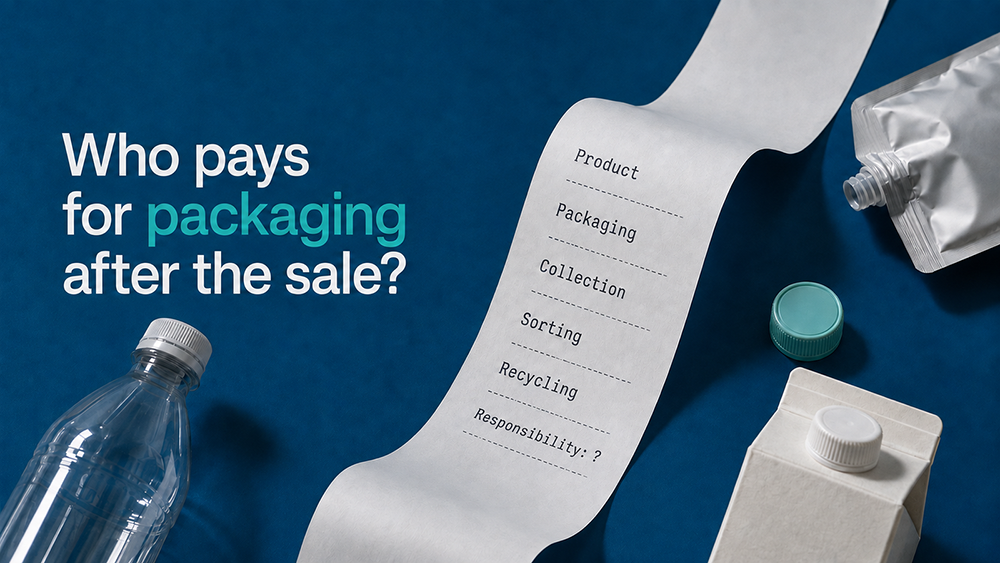


A customer picks up a product from the shelf and sees the bottle, pouch, tube, or container in front of them. They may notice that it contains recycled plastic, uses less material, or has moved away from plastic altogether.
What they do not see is everything that brought it there.
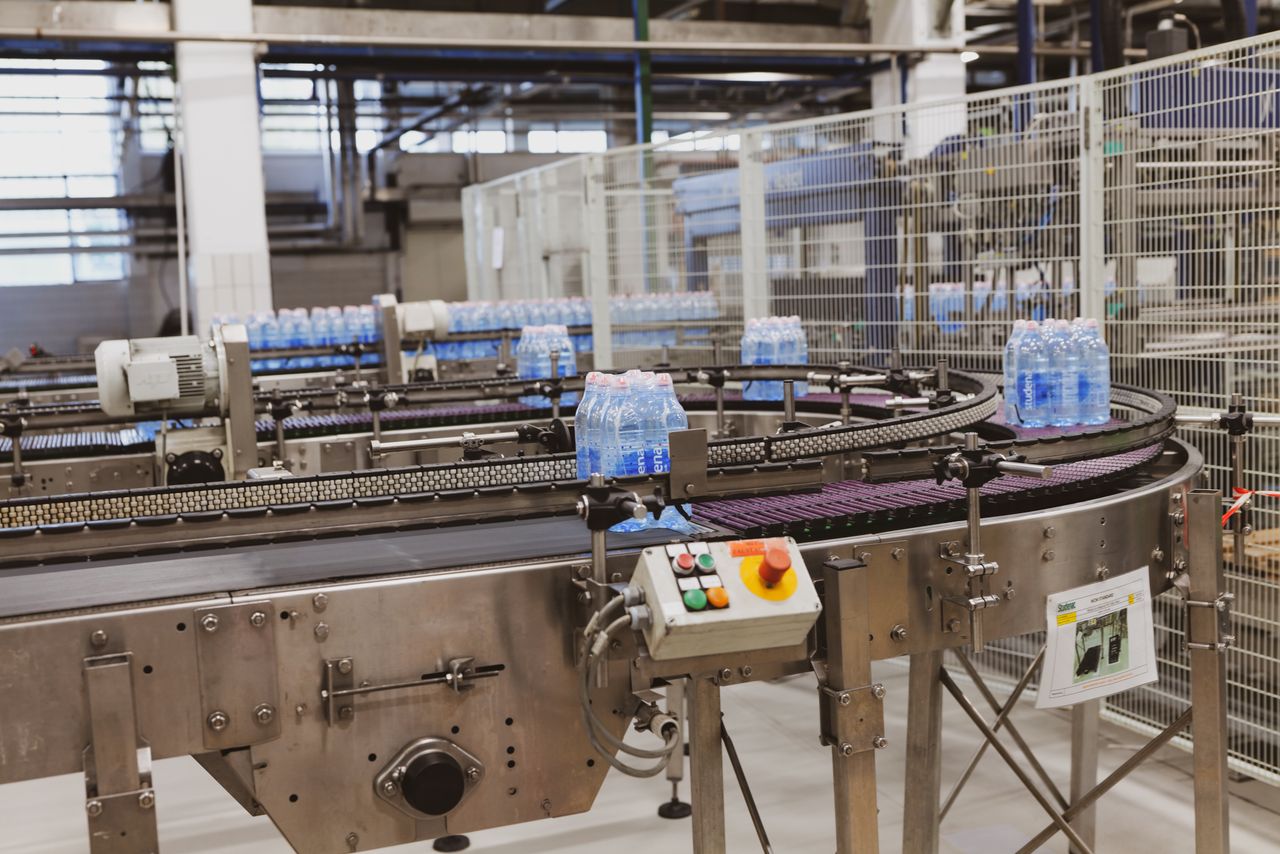
The shrink film holds several units together. The stretch wraps securing cases to a pallet. The plastic straps used during transport. The protective sleeves, liners, and bags are removed at a warehouse or distribution center. By the time the product reaches the customer, much of this supply chain packaging has already been discarded.
It may never appear in a product photograph or be held by the customer, but it is still part of the material required to manufacture, protect, and distribute that product.
For companies trying to understand their plastic footprint, what happens behind the shelf matters just as much as what happens on it.
Does your plastic footprint stop at the packaging your customers see?
Plastic Collective helps brands understand their wider plastic impact and build practical strategies around reduction, better design, measurement, and responsible recovery. Explore our Brand Partnerships.
What is included in a company’s plastic footprint?
Most packaging conversations begin with primary packaging. This is the packaging that directly contains or protects a product, such as a beverage bottle, cosmetic tube, or food pouch.
But products rarely move through a supply chain one at a time. They are grouped, packed, stacked, wrapped, secured, transported, and sometimes repacked before they reach a store, warehouse, or customer’s front door.
That introduces additional layers of secondary packaging and tertiary packaging.
Secondary packaging groups individual products together and can include shrink film, trays, sleeves, and cases. Tertiary or transport packaging helps larger quantities move safely through the supply chain and can include pallet wrap, strapping, protective film, bulk liners, and other transport materials.
Individually, these materials may seem insignificant. A few grams of stretch film or one plastic strap does not look like much. Multiply that across thousands or millions of products, frequent shipments, multiple suppliers, and several markets, and it can become a meaningful part of a company’s overall packaging footprint.
Yet this is often where visibility begins to disappear.
Why supply chain packaging creates a plastic footprint blind spot
Consumer-facing packaging usually has a clear owner. It has a design specification, an item number, and a known material composition. Marketing may be involved in how it looks, procurement knows who supplies it, and sustainability teams may assess its recycled content or recyclability.
Supply chain packaging is often much more fragmented.
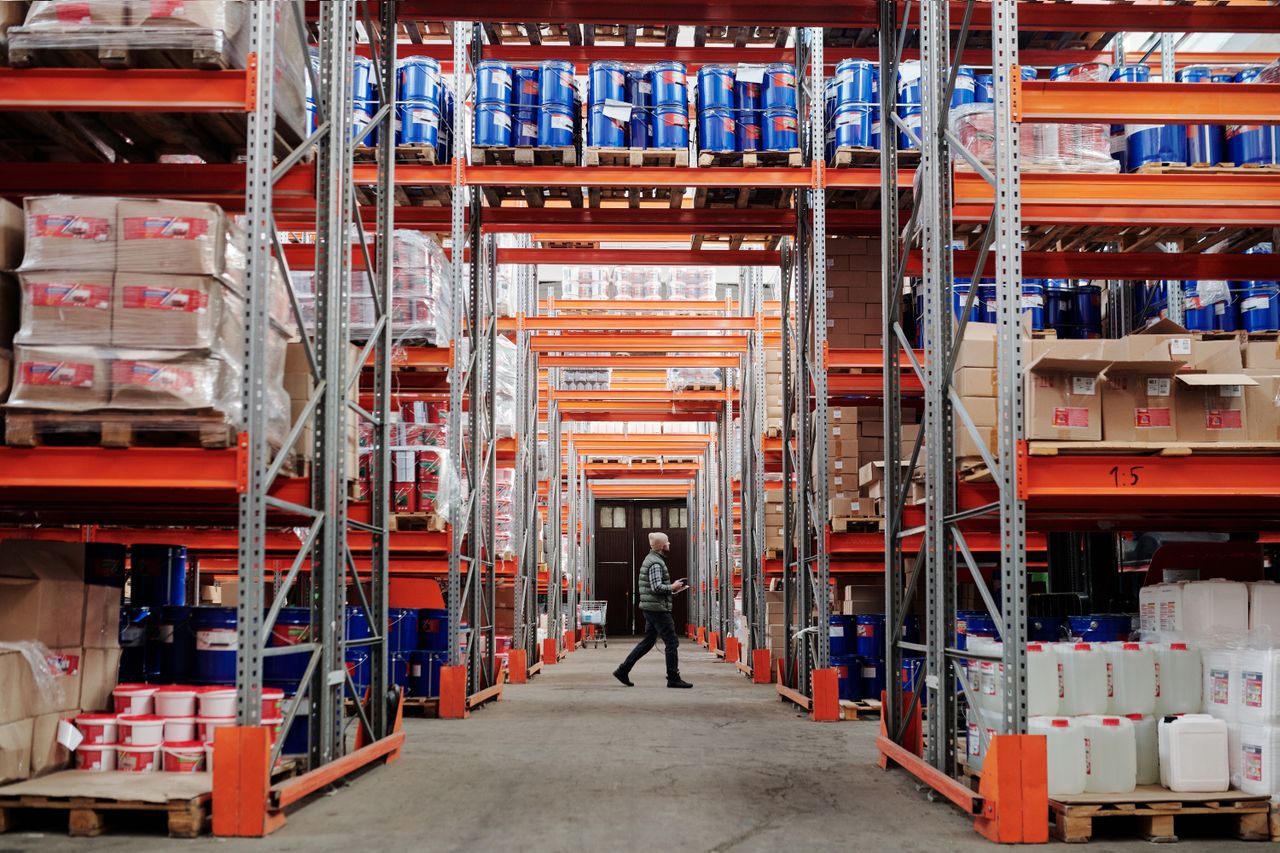
A contract manufacturer may purchase the plastic liner around a component. A logistics provider may decide how much stretch wrap is applied to a pallet. A supplier may package parts in plastic bags before shipment, while a distribution center may remove and discard those materials before the finished product goes any further.
The data can be equally fragmented. Packaging may be recorded by cost, by number of rolls purchased, or simply as part of a logistics contract rather than by material and weight. Responsibility may sit across procurement, operations, suppliers, and third-party logistics providers, with no single team holding the complete picture.
This creates an understandable blind spot: a company can know the exact weight and recycled content of every bottle it sells while having no consolidated view of the plastic used to move those bottles through its supply chain.
For businesses trying to measure a complete plastic footprint, that gap matters.
A plastic-light product can still have a plastic-heavy journey
Progress on consumer-facing packaging still matters. Removing an unnecessary wrapper, lightweighting a bottle, introducing refill formats, or replacing virgin material with recycled content can all reduce environmental impact.
But those improvements do not automatically address the full packaging footprint.
Imagine a company removes most plastic from its retail packaging. The change is visible to customers and genuinely reduces material use at the point of sale. Behind the scenes, however, the same product may still arrive from the manufacturer in protective plastic bags, be grouped in shrink film, stacked onto a pallet, and wrapped several times before transport.
Both things can be true: the visible packaging has improved, and significant plastic may still be used elsewhere in the product’s journey.
A more complete assessment therefore asks two questions: What packaging does the customer receive, and what packaging was required to get the product to them?
That second question is becoming increasingly difficult for businesses to ignore.
Regulation is looking beyond primary packaging
Packaging regulation is increasingly reflecting this wider view of responsibility.
The EU Packaging and Packaging Waste Regulation (PPWR), which began applying on August 12, 2026, covers packaging used to contain, protect, handle, deliver, and present products. The regulation distinguishes between sales, grouped, and transport packaging, reinforcing the principle that packaging responsibility extends beyond what a consumer ultimately takes home.
The UK’s Extended Producer Responsibility (EPR) system provides another example. Current guidance requires relevant producers to identify whether packaging is primary, secondary, tertiary, or shipment packaging and report material and weight information accordingly.
Specific obligations vary by jurisdiction and depend on factors such as company size, supply-chain role, and where packaging is placed on the market. The broader direction, however, is clear: packaging accountability is moving beyond the shelf.
Even where a business is not currently subject to a particular reporting requirement, understanding hidden plastic in supply chains has practical value. Better data supports procurement decisions, plastic footprint measurement, packaging reduction, supplier engagement, and more credible sustainability communications.
How to measure a company’s plastic footprint more completely
Understanding hidden packaging does not require a perfect global dataset on day one. A practical starting point is to select one high-volume product and follow it through the supply chain from manufacture to sale.
At the factory, look at the materials arriving with components and those added during production. Are parts delivered in plastic bags or liners? Is protective film applied? Are finished products wrapped before leaving the facility?
Then follow the product through grouping, transport, warehousing, and distribution. Look at the shrink film around cases, stretch wrap around pallets, straps used during transport, materials removed at distribution centers, and additional packaging added for particular retailers or markets.
For e-commerce or direct-to-consumer products, the journey may include another layer. Mailers, protective sleeves, air pillows, or other materials may be added shortly before the customer receives the order.
For each item, record what you can:
- Material type
- Weight
- Quantity
- Supplier
- Purpose
- Disposal route
- Recycled content, where available
One product journey will not give you a complete corporate plastic footprint, but it will quickly reveal where your information is strong and where the gaps begin.
Not all secondary and tertiary packaging is unnecessary
Once companies identify these materials, there can be a temptation to treat every additional layer as waste that should simply be removed.
In practice, transport packaging performs an important function. It protects products, prevents damage, improves handling, and helps goods travel safely through complex supply chains. Removing material without understanding its purpose can create a different environmental and commercial problem if more products become damaged or unusable.
A better question is: Are we using only what the product genuinely needs?
That leads to a more practical hierarchy of action:
- Eliminate packaging that serves no necessary function.
- Reduce material weight where performance can be maintained.
- Explore reusable transport systems where the supply chain allows them.
- Improve recyclability and recycled content where reuse is not practical.
- Address the plastic that cannot yet be eliminated through credible, verified recovery.
The order matters. Recovery should complement serious efforts to understand, reduce, and improve the footprint rather than replace them.
This is also where the wider Plastic Strategy Framework becomes useful. The goal is not to solve plastic through one intervention, but to connect better packaging, measurement, accountability, and recovery into a strategy that can improve over time.
Your suppliers are part of your packaging footprint
Brands may not directly purchase or apply every piece of secondary and tertiary packaging, but that does not mean they have no influence over it.
Supplier conversations can begin with relatively simple questions. What plastic packaging is used to fulfill our orders? Which materials are involved? How much is used per shipment, case, or pallet? Is recycled content available? Could any components be reduced or reused? What supporting data can you provide, and what happens to the material after it is removed?
These questions are not about catching suppliers out. They are about understanding where packaging decisions are being made and identifying where change is realistically possible.
In many cases, the first improvement will not be a new material or a redesigned pack. It will simply be better visibility.
Responsibility does not stop where visibility ends
Customers may never see the film removed at a warehouse or the wrap cut from a pallet, but plastic does not become less significant simply because it was used behind the scenes.
Businesses cannot manage what they have never counted. A credible plastic strategy therefore needs to look at the whole journey: the packaging around the product, between products, and behind the product. From there, companies can identify what can be eliminated, what can be reduced or redesigned, and what still needs to be addressed.
Your product may look plastic-light on the shelf.
The more important question is whether the rest of its journey tells the same story.
Understand your complete plastic footprint
Plastic Collective helps businesses identify plastic across products, packaging, and supply chains, then build practical strategies to reduce unnecessary material and take responsibility for what remains.
Explore our Brand Partnerships and Certified Recovery solutions to build a plastic strategy based on a more complete picture of your impact.
FAQs
What is included in a plastic footprint?
A plastic footprint can include more than the packaging sold directly to customers. Depending on the scope being measured, it may also include secondary packaging, tertiary packaging, transport materials, and e-commerce packaging used to manufacture, group, protect, and distribute products.
What are examples of secondary and tertiary packaging?
Secondary packaging can include shrink film, trays, sleeves, and cases used to group products together. Tertiary packaging is used for transport and can include pallet wrap, plastic strapping, protective film, bulk liners, and other materials used to move goods through the supply chain.
Why should businesses measure supply chain packaging?
Measuring supply chain packaging gives businesses a more complete view of their plastic footprint. It can reveal opportunities to reduce plastic, improve procurement, strengthen packaging data, prepare for reporting requirements, and support more accurate sustainability claims.