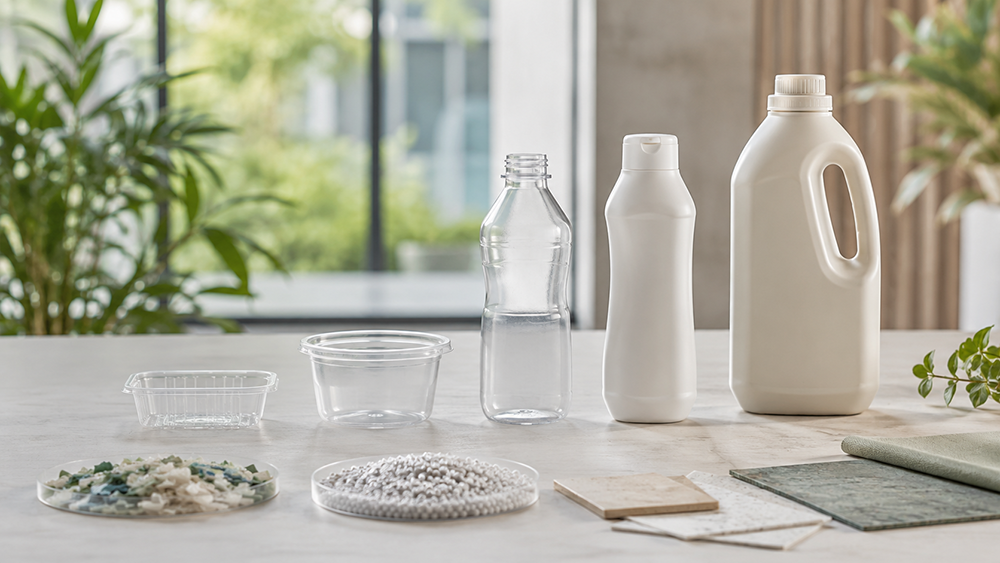




The EU PPWR introduces “Design for Recyclability” performance grades that become stricter over time. (See Annex II, Tables 1 & 3, for detailed charts).
By 2030, all packaging placed on the EU market must be graded for recyclability.
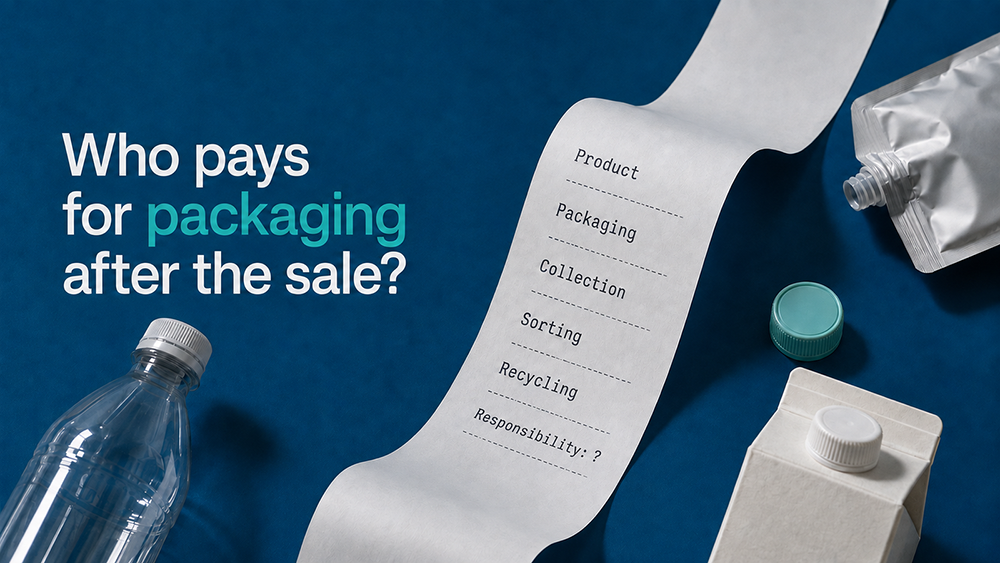
Importantly, a brand’s Extended Producer Responsibility (EPR) fees will be linked directly to recyclability performance.
Better grades = lower EPR fees (Keller Heckman, 2025)
For more detail on recyclability grading, read our blog on Design for Recyclability.
In the short term: what packaging teams should start doing now
Prepare your inventory software for more detailed packaging data
Start by reviewing your existing inventory or ERP software.
Are there fields available where you can add details for each packaging component or part number?
Packaging teams will increasingly need to track:
- Material certificates and supplier specifications
- Separate weights of each sub-component
- Plastic types and recycled content percentages
- Inks, colorants, additives, and coatings
- Images or technical drawings of packaging components
You should also make sure your packaging item numbers are connected to your products, so you can generate reports showing packaging volumes sold alongside product sales.
If needed, speak with your software provider about updating your inventory system to support EU PPWR reporting requirements.
Fill in missing packaging data
Once your system is ready, begin collecting the missing details for your existing packaging components.
Refer to material certificates and supplier documentation to identify:
- Plastic types
- Recycled content percentages
- Colorants and additives
- Chemicals used in inks, coatings, and adhesives
- Packaging classifications (primary, secondary, tertiary)
Packaging classifications under PPWR
- Primary Packaging is used to hold the individual unit of product, ie cosmetic has a plastic container, lid and pump. Example of primary packaging for plastic bottles: PET Plastic Bottle and PP lid.
- Secondary Packaging is used to group the individual units into one case. Example of secondary packaging for bottles: Shrink Bundling Film
- Tertiary Packaging is used for transport, to group the cases into a pallet. Example: Pallet shrink wrap and strapping.
Review the packaging items to see what information is missing that you’ll need to get from your suppliers.

Meet with suppliers about PPWR requirements
Many suppliers may not yet understand the level of packaging detail brands will soon require under EU PPWR.
This is a good time to meet with suppliers and explain:
- What packaging information you will need going forward
- Reporting expectations
- Requirements around recycled content and material composition
You should also request updated:
- Material certificates
- Recycled content declarations
- Information on additives, coatings, inks, and adhesives
Measure sub-component weights and material composition
In many cases, suppliers will not provide sub-component weights.
Packaging teams may need to measure these internally using a precision jewelry scale capable of measuring to 0.1g or 0.01g.
The more precise the measurement, the better, since future EPR fees may be calculated using packaging weight data.
To calculate composition:
- Disassemble the packaging item
- Separate components by material type
- Weigh each material separately
- Calculate the percentage of the total package weight
This process helps establish the detailed packaging data needed for recyclability assessments.
In the medium term: standardize and simplify reporting processes
As packaging data requirements increase, companies will need more standardized reporting systems.
Update your SOPs so the correct packaging data is consistently collected for all new packaging designs and product launches.
Your inventory or ERP system should also allow you to:
- Generate packaging reports easily
- Calculate packaging volumes sold
- Track material composition and recycled content over time
Strong internal systems will make future compliance reporting significantly easier.
In the long term: redesign packaging for recyclability
Eventually, packaging teams will need to take a broader look at packaging redesign.
Start with your highest-volume, hardest-to-recycle packaging formats first.
Some ways to improve recyclability performance under EU PPWR include:
- Creating refill and reuse systems
- Developing concentrates or waterless products that require less packaging
- Designing durable reusable packaging
- Redesigning packaging to be fully recyclable (Grade A recyclability)
- Simplifying packaging into one highly recyclable material
- Reducing shrink sleeve label coverage
- Optimizing labels and packaging components
- Eliminating additives, adhesives, inks, and colorants that interfere with recycling
Even small packaging design changes can improve recyclability grades and reduce future EPR costs.
For examples of creative packaging redesign, see the Eunomia webinar on Design for Recyclability (2025).

Need support preparing for EU PPWR requirements?
EU packaging regulations are evolving quickly, and many packaging teams are still building the systems needed to manage recyclability and reporting requirements.
If you need support understanding packaging compliance requirements, packaging data collection, or Design for Recyclability considerations, our team can help.
Contact us to discuss your packaging compliance strategy.
FAQs
What is the EU PPWR?
The EU Packaging and Packaging Waste Regulation (PPWR) is a European regulation designed to reduce packaging waste and improve recyclability, reuse, and recycled content across packaging placed on the EU market.
How will EU PPWR affect packaging teams?
Packaging teams will need more detailed packaging data, including material composition, recycled content, sub-component weights, and recyclability performance. Packaging design decisions may also directly impact EPR fees.
What are Design for Recyclability grades?
Under EU PPWR, packaging will receive recyclability grades based on how easily it can be collected, sorted, and recycled within existing recycling systems. Higher recyclability grades may reduce EPR costs.
What packaging data should companies start collecting now?
Companies should begin collecting:
- Material specifications
- Plastic types
- Recycled content percentages
- Component weights
- Information on inks, additives, coatings, and adhesives
- Packaging classifications (primary, secondary, tertiary)
Why do packaging teams need supplier collaboration for PPWR?
Suppliers often hold critical packaging material data needed for compliance reporting. Early collaboration helps ensure brands can gather the documentation and specifications required under EU PPWR.
Feature image: Photo by cottonbro studio from Pexels