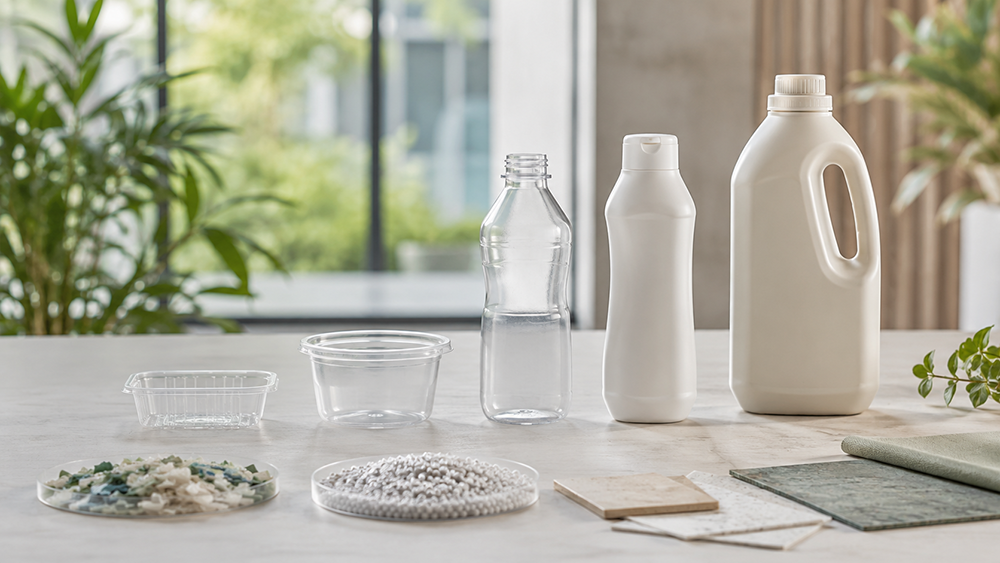



Most recyclable packaging claims in the US don’t reflect reality.
Packaging can be technically recyclable and still never be recycled. That gap is where brands are now being challenged, regulated, and, increasingly, exposed.
Not sure if your packaging claims would hold up under FTC scrutiny?
Explore how Plastic Collective helps validate recyclable packaging claims
What is “recyclable packaging” in the US?
Under the FTC Green Guides, packaging can only be labelled recyclable if it is accepted by recycling programs available to at least 60% of consumers.
That’s the benchmark for recyclability standards in the US.
But here’s the disconnect:
Recyclable does not mean recycled.
A package may:
- Be designed with recyclable materials
- Pass technical recyclability tests
- Meet design-for-recycling guidelines
…and still fail because:
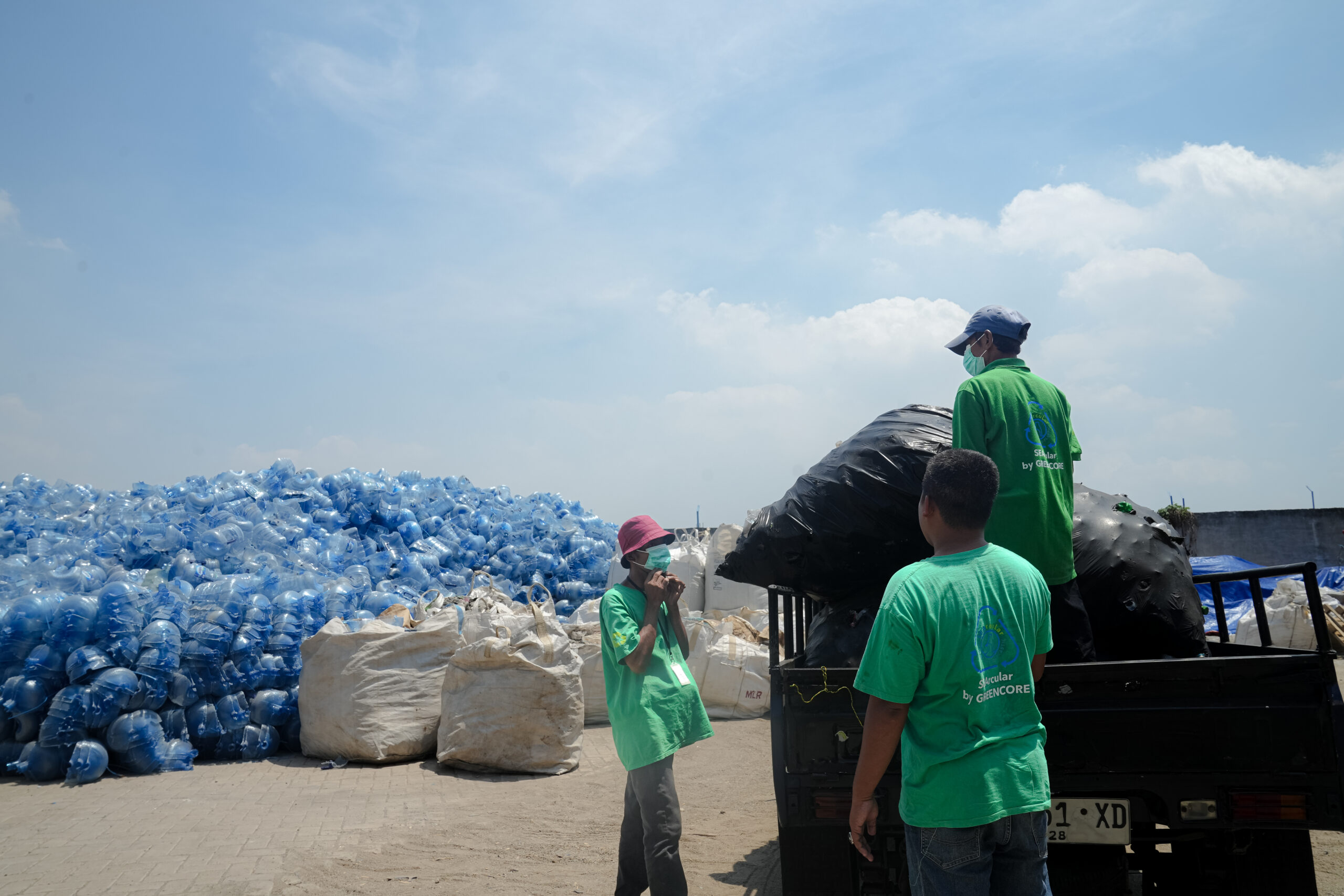
- It isn’t widely collected
- It cannot be effectively sorted
- There is no viable end market
According to the OECD Global Plastics Outlook, only 9% of plastic waste is actually recycled, reinforcing the gap between design intent and real-world outcomes.
This is the core issue behind rising packaging claims compliance risks in the US.
Why this matters
The rules are tightening fast
The FTC is updating the Green Guides, with increased focus on recyclable vs actually recycled packaging claims. Claims that once passed are now being reassessed.
Lawsuits are no longer theoretical
Brands are facing legal action for misleading recyclability claims — particularly where packaging is labelled recyclable but rarely processed in reality.
Consumers are catching on
Trust in sustainability claims is declining. Consumers increasingly question whether “recyclable” means anything at all.
Global policy is closing the gap
From the EU’s PPWR to OECD guidance, regulators are aligning around one principle:
Claims must reflect real system performance not theoretical capability.
Want to align your packaging strategy with emerging global compliance frameworks?
See how Plastic Collective supports EPR and packaging compliance
What brands must do now
If you’re making recyclable packaging claims in the US, they must be defensible with evidence.
1. Prove it works in the real world
Not in controlled conditions in actual systems.
Ask:
- Is it collected across regions?
- Can MRFs sort it accurately?
- Is it reprocessed into new materials?
If you can’t answer clearly, the claim is exposed.
2. Back every claim with evidence
The FTC requires competent and reliable evidence, including:
- Recycling access data
- Recovery and processing rates
- Third-party validation
Without this, claims are increasingly difficult to defend.
3. Stop using blanket claims
Unqualified “recyclable” labels are high risk.
If access is limited or inconsistent, claims must be:
- Clear
- Accurate
- Not misleading
4. Design for the system that exists
Packaging must align with:
- Real collection systems
- Existing sorting infrastructure
- Regional recycling capabilities
Otherwise, even well-designed packaging fails downstream.
5. Shift from claims to outcomes
Leading brands are moving toward:
Otherwise, even well-designed packaging fails downstream.
5. Shift from claims to outcomes
Leading brands are moving toward:
Because measurable outcomes are what regulators and markets are now demanding.
Move beyond claims and into verified impact.
Explore Certified Recovery solutions

The uncomfortable truth: most “recyclable” packaging fails
A package can meet every technical requirement…
…and still never be recycled.
Why?
- It’s not consistently collected
- It confuses sorting systems
- It lacks viable end markets
So the claim remains technically correct — but practically misleading.
And under evolving FTC Green Guides packaging rules, that’s exactly what’s being targeted.
FAQs
What qualifies as recyclable packaging in the US?
Packaging must be accepted by recycling systems covering at least 60% of consumers and be realistically processed into new materials.
Can brands still use “recyclable” if recycling rates are low?
Only with clear qualification — and even then, claims may be challenged if real-world outcomes don’t support them.
What are the risks of misleading recyclability claims?
Regulatory enforcement, lawsuits, financial penalties, and reputational damage.
How can brands prove packaging is recyclable?
Through verified data, third-party validation, and alignment with real-world recycling infrastructure.
Conclusion
“Recyclable” is no longer a safe claim, it’s a claim that must be proven.
In the US, the gap between technical recyclability and real-world outcomes is now a direct source of:
- Legal exposure
- Regulatory scrutiny
- Brand risk
Brands that rely on assumptions will be challenged.
Brands that invest in evidence, transparency, and verified impact will lead.
👉 Build packaging claims you can prove.
- Explore Buy One, Remove One
- Learn about Certified Recovery
Or get in touch with our team to validate your recyclable packaging claims today.
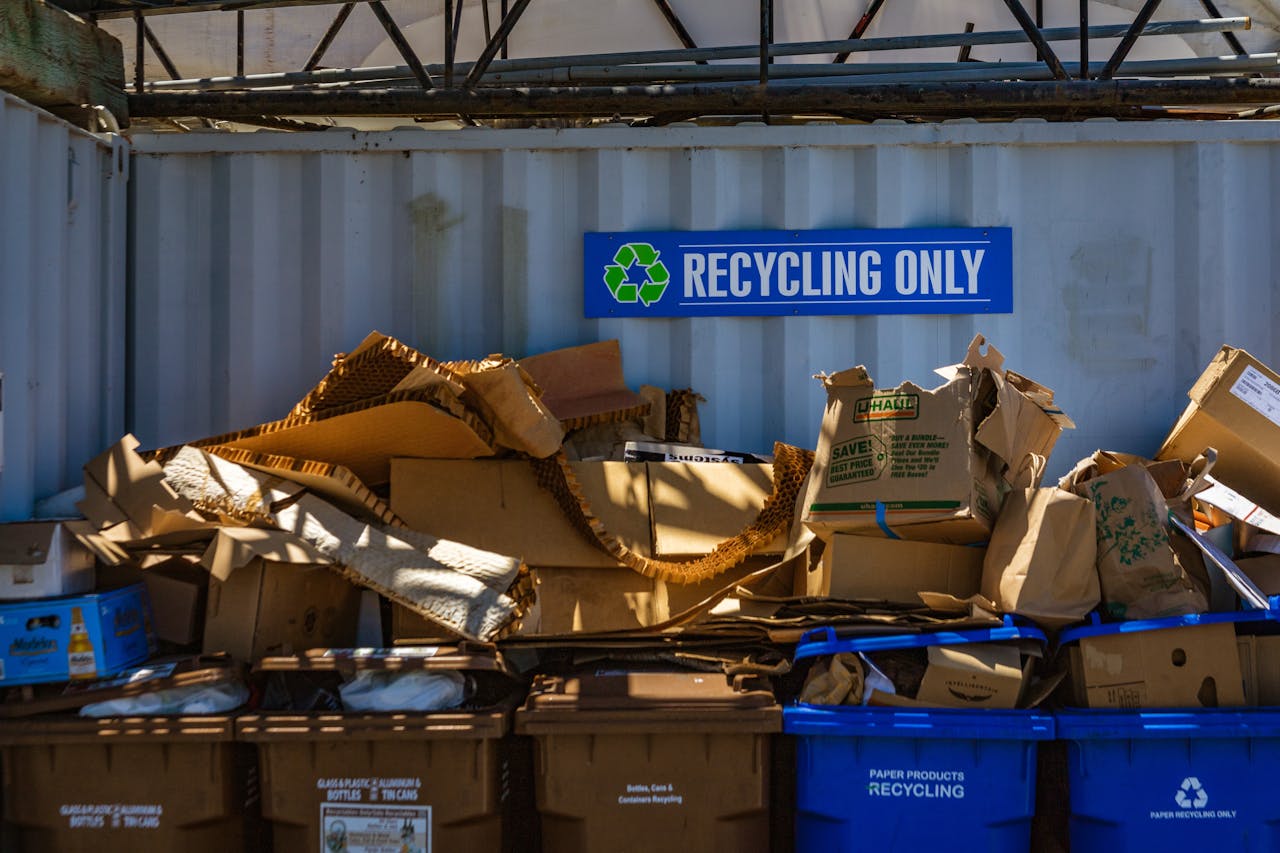
Feature image: Photo by Robert So from Pexels