Can your brand actually defend its plastic claims?
Most brands can’t.
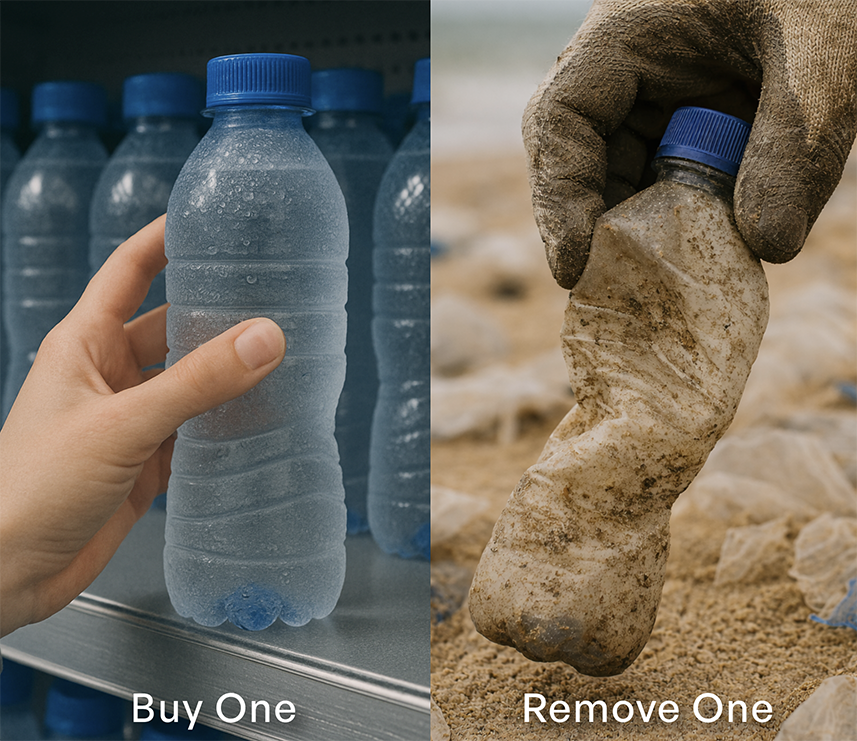
Buy One Remove One helps brands link product sales to certified plastic recovery so sustainability messaging becomes clearer, more measurable, and easier to stand behind.
Get in touch to find out more!
See what Buy One Remove One
would look like for your brand.
Plastic claims are getting harder to defend
Most brands already talk about sustainability.
The issue is not intent. It’s proof.
Why claims break under scrutiny
- “Recyclable” does not mean recovered
- Packaging intent does not guarantee real-world outcomes
- Most brands cannot show what happens after use
Bottom line:
If you cannot show what happens after use, you cannot defend the claim.
The moment your sustainability story breaks
Every product delivers two experiences:
- The product itself
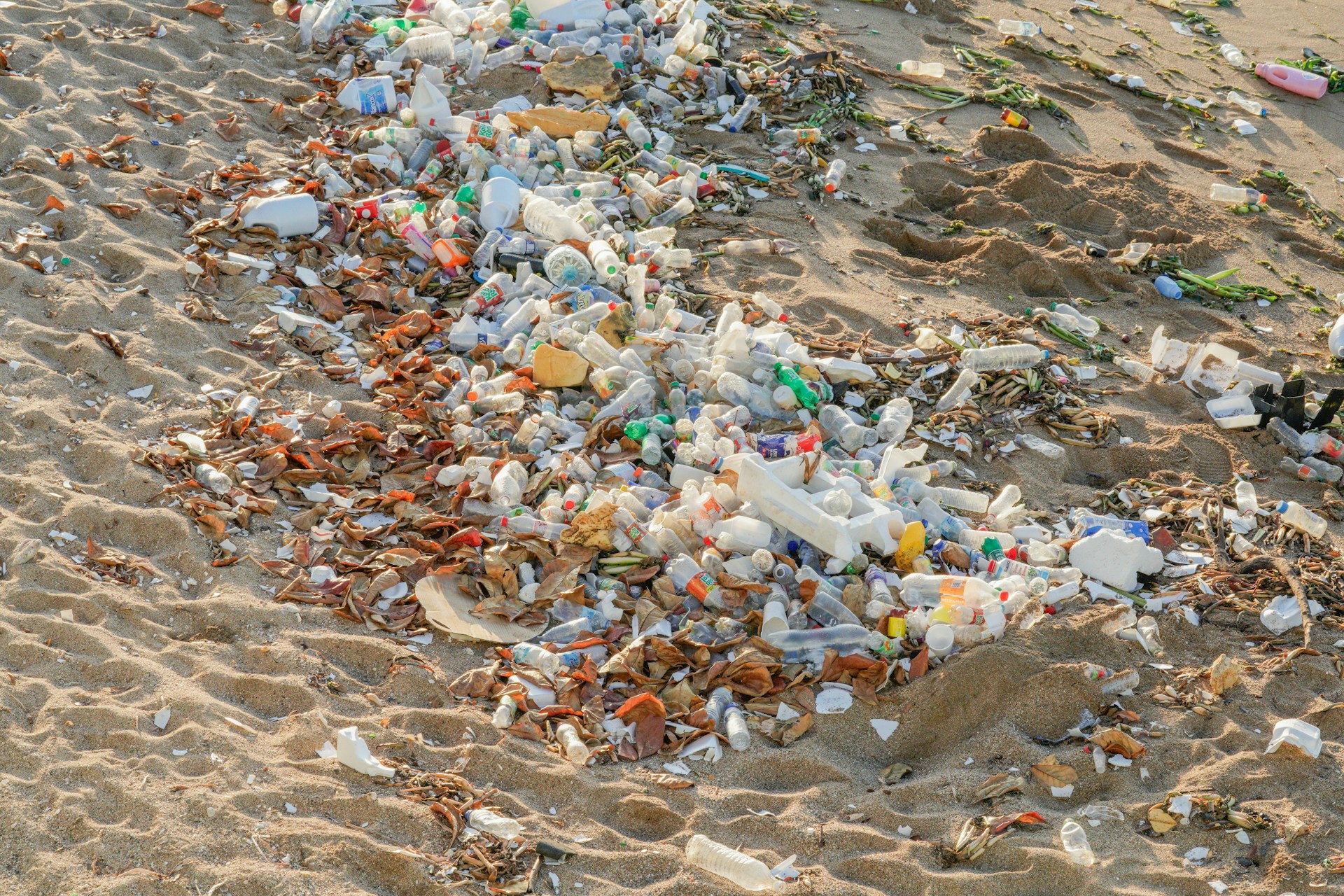
- And what’s left behind
And increasingly, customers notice the second one.
The question is simple:
What actually happens after I throw this away?
If the answer isn’t clear, the claim isn’t either.
Good intent is no longer enough
Most brands have already improved packaging.
But progress alone doesn’t make the story clear.
What teams need now
- Something customers understand instantly
- Something they can defend confidently
That’s the gap. And why purpose now needs proof.
Turn every purchase into visible, measurable action
Buy One Remove One links product sales to certified plastic recovery.
What this changes
From unclear to concrete
Every purchase helps remove plastic from nature
From weak claims to defensible ones
Clear, outcome-based sustainability messaging
From complex to practical
No packaging redesign. No major production change
What makes this defensible
Certified recovery programs
Traceable impact documentation
Audit-ready reporting
Certified recovery programs
This is how sustainability moves from intention to something you can actually stand behind.
The strongest brands act before pressure forces the issue
Move early and you get:
- more control over your sustainability story
- more time to build credible proof
- a stronger position before scrutiny increases
Wait too long and you risk:
- reactive decisions under pressure
- weaker options and limited flexibility
- less control over how your claims are challenged
- competitors defining the standard before you do
Buy One, Remove One gives teams a practical way to act now with a model that is visible, measurable, and easier to defend.
From packaging footprint to certified impact in 3 steps
How certified recovery works:
1
Scope your plastic footprint
We assess your packaging or sales data.
2
Activate certified recovery
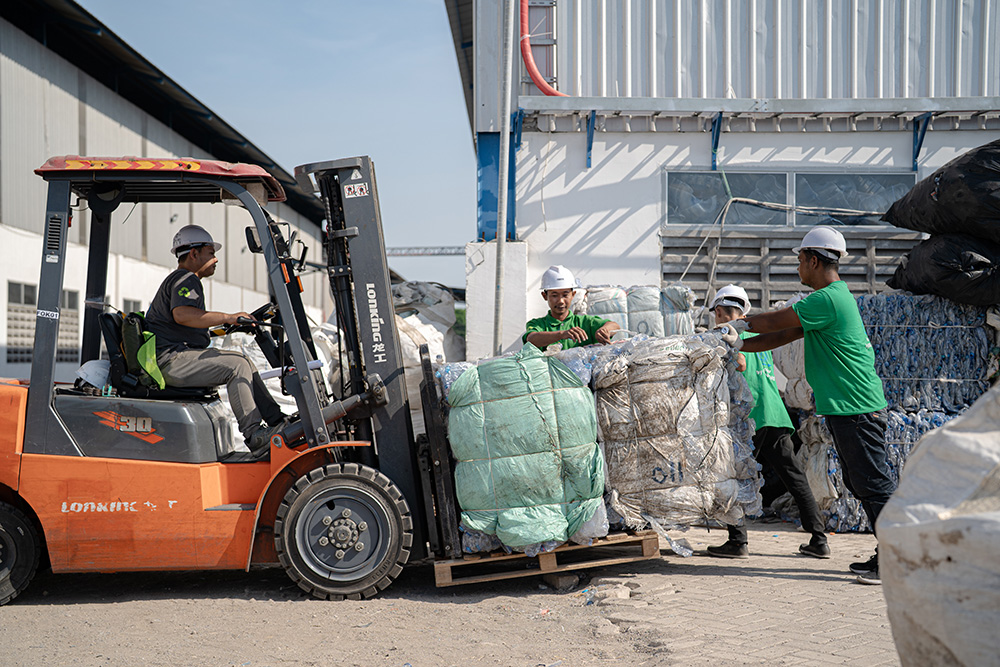
Plastic is recovered through verified programs.
3
Turn it into a usable claim
Your team gets a clearer sustainability story supported by proof.
This is not just about reducing risk
Buy One Remove One helps brands:
- Turn sustainability into something customers understand instantly
- Create a clearer reason to choose your product at shelf
- Strengthen price tolerance through visible impact
- Give commercial teams a story they can actually use
Simple shift:
From sustainability as a claim to sustainability as a competitive advantage
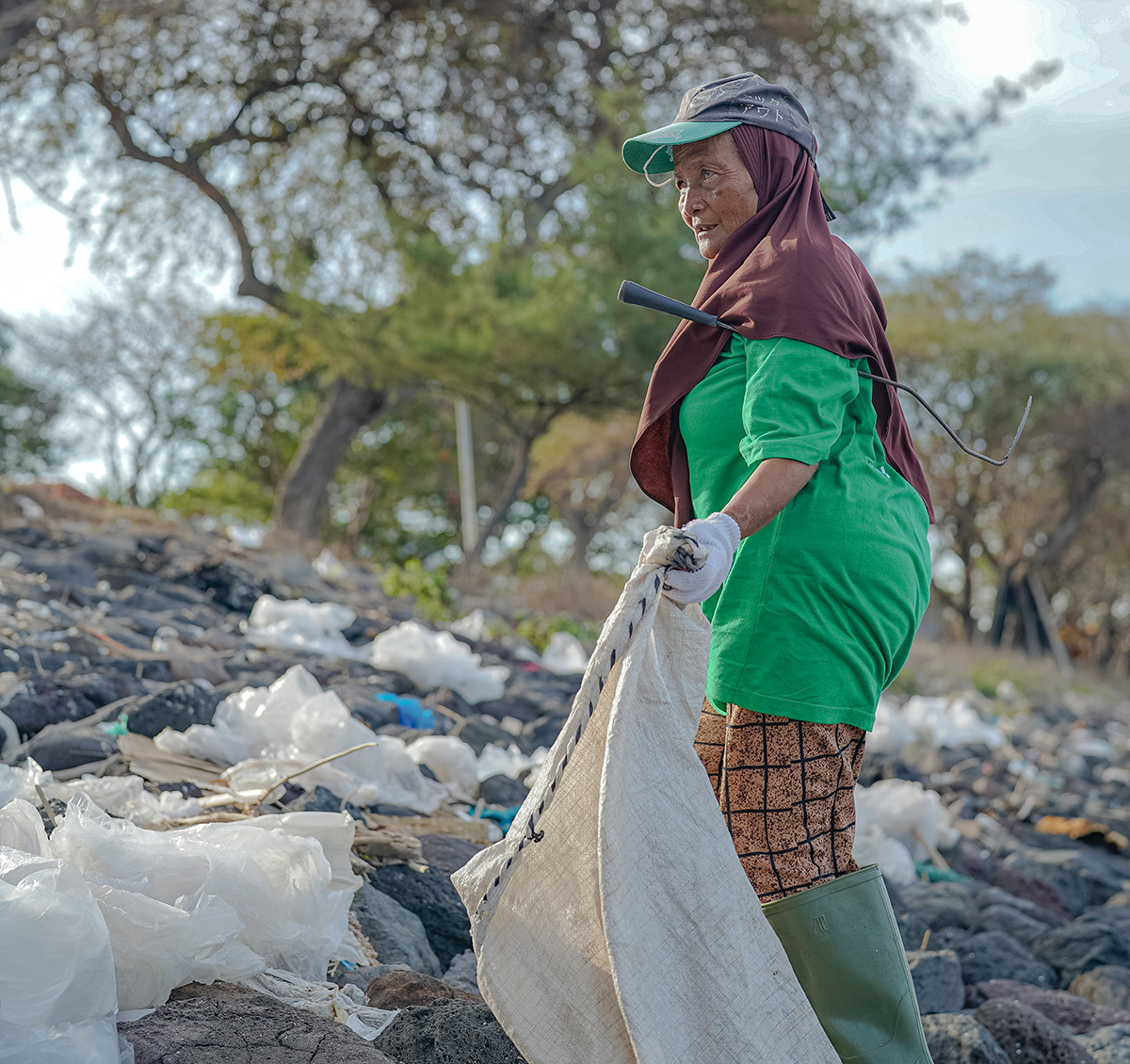
Real recovery. Real livelihoods. Verified results.
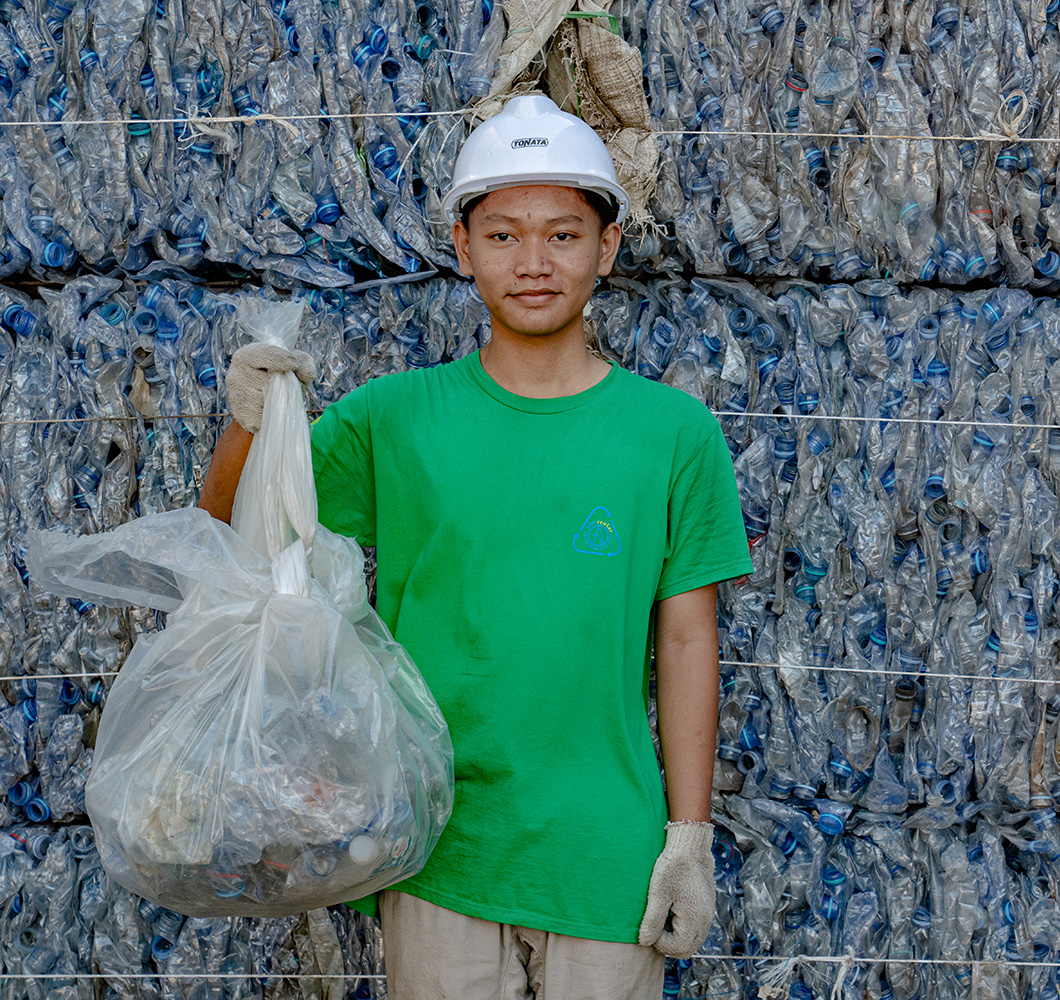
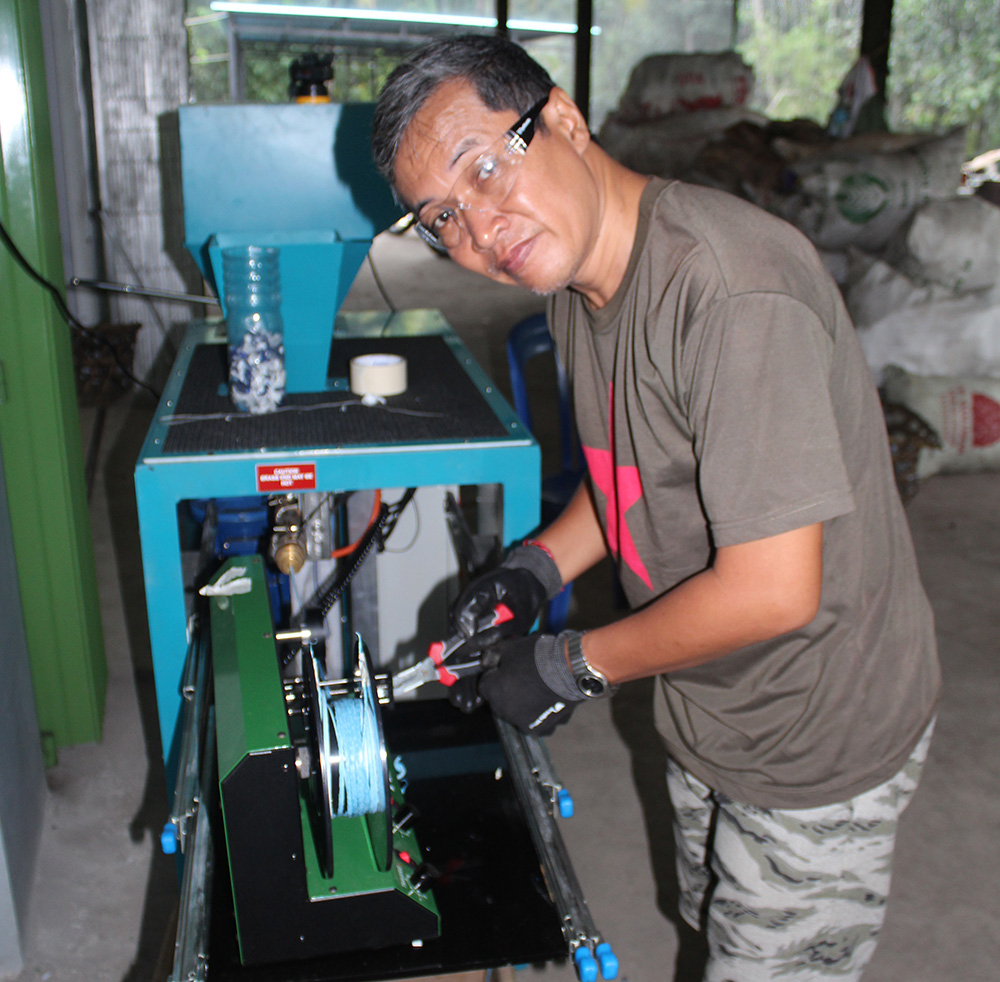
When your brand activates Buy One, Remove One, the plastic you commit to remove from nature directly supports independently certified recovery projects that deliver environmental and social impact.
These are the communities your program helps fund:
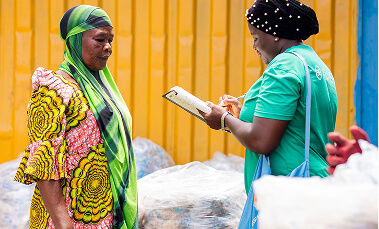
ASASE Foundation, Ghana
- Ghana’s only fully circular plastic initiative
- 15,744,000 kg recovered
- 4,383,000 kg recycled
- 78% women-led
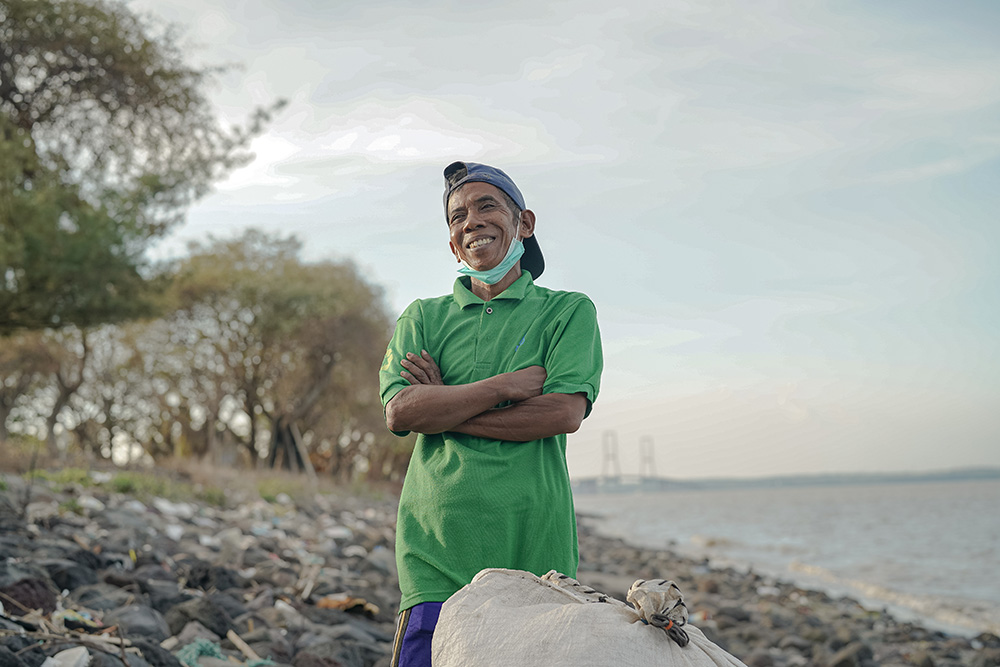
SEArcular by Greencore, Indonesia
- Indonesia’s first ocean-bound certified project
- 24,178,000 kg recovered
- 20,843,000 kg recycled
- 50% women workforce
Your brand’s impact flows directly into these certified recovery systems, providing stable, dignified work for local collectors.
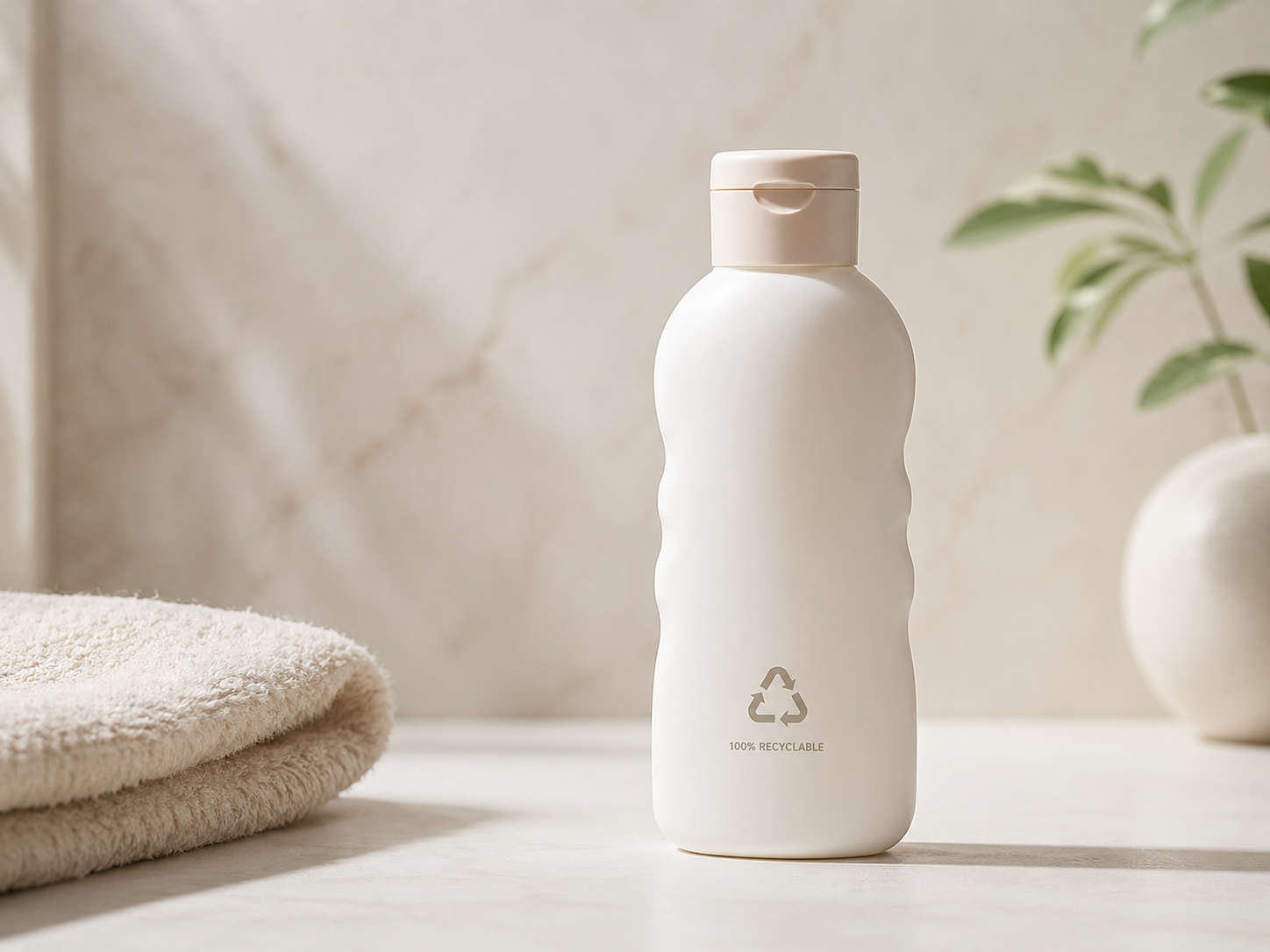
Brands are already turning plastic claims into something defensible
Leading brands are moving beyond intent and backing their sustainability story with measurable action.
See what Buy One Remove One could look like for your brand
In 30 minutes, you’ll get a clear view of:
- where your current claims may not hold up
- how exposed your plastic story is today
- what stronger brands are starting to do differently
- whether you have a defensible position today
- what a stronger version could look like
30 minutes. No obligation.
Not ready to talk yet?
Generate a Plastic Impact Plan to explore how certified plastic recovery could apply to your:
- products
- packaging footprint
- customer-facing sustainability story
A simple way to explore this before committing to a call.
Frequently Asked Questions
Do we need to redesign our packaging?
No. Buy One Remove One is designed to work without requiring a packaging redesign or major production change.
Is the recovery certified?
Yes. Recovery is connected to certified and traceable systems designed to support more credible claims.
Who is this relevant for internally?
Usually brand, sustainability, ESG, packaging, innovation, and commercial stakeholders all have a role to play.
What happens in the consultation?
We assess your current positioning, packaging footprint, potential claim opportunities, and where Buy One Remove One may fit.
What is the Plastic Impact Plan?
It is a lower-friction planning tool that helps you explore how the model could apply to your brand before taking the next step.
Latest Posts
The plastic footprint your customers never see
A customer picks up a product from the shelf and sees the bottle, pouch, tube, or container in front of
Australia’s packaging rules are changing. Is producer responsibility finally catching up?
Every day, businesses decide what packaging enters the market. They choose the materials. They approve the design. They sell the
Sustainability marketing examples that actually work
Sustainability marketing often fails for one simple reason: the message becomes bigger than the action behind it. The strongest brands
Why the strongest plastic strategies go beyond recovery
For years, conversations about plastic have centered on a single question: How do we recover more plastic waste? It’s an
The Plastic Strategy Framework: Five stages every business moves through
Ask ten companies about their plastic strategy and you’ll probably hear ten different answers. One business is redesigning its packaging.
Plastic Free July: What about the plastic we still need?
Every July, millions of people around the world take part in Plastic Free July, a global movement that encourages people
Design for recyclability: why it fails in practice (and what companies miss)
Design for recyclability (DfR) has become one of the most widely discussed concepts in sustainable packaging. Brands are redesigning packaging
Responsible End Markets (REM): How US EPR laws are reshaping demand for recycled plastic
Across the United States, packaging Extended Producer Responsibility (EPR) laws are evolving rapidly and, with them, a major shift in
What packaging teams should know about EU PPWR packaging requirements
The EU PPWR introduces “Design for Recyclability” performance grades that become stricter over time. (See Annex II, Tables 1 &
“Recyclable” doesn’t mean recycled: The claims gap putting US brands at risk
Most recyclable packaging claims in the US don’t reflect reality. Packaging can be technically recyclable and still never be recycled.